Water Damage Restoration Beverly, MA
Water from a split pipe, an ice dam or a flooded basement keeps moving into plaster, framing and stone foundations until someone pulls it out. Local crews extract it and dry to the IICRC S500 standard, 24/7.
(888) 629-3140Stop the water before it reaches the sills- 24/7 crew dispatch
- IICRC S500 drying
- Truck-mounted extraction
- Daily moisture logs

Five moves that limit the damage before the crew arrives
Most of the harm in a water loss happens before any equipment shows up. These steps slow it down.
- 1
Close the main valve
In most older houses it sits on the basement wall where the water service pipe enters through the foundation.
- 2
Cut power to wet rooms
If the breaker panel is dry and safe to reach, switch off the circuits feeding rooms with water.
- 3
Keep clear of the water
Stay out of standing water near outlets, cords, the boiler and the furnace.
- 4
Photograph all of it
Take wide shots and close-ups of every wet room before anything is moved or thrown out.
- 5
Lift, then call
Raise furniture and boxes off wet floors, then call. Mold can start within 24 to 48 hours.
In a cold snap, open the cabinet doors under sinks and keep the heat running in the rest of the house while help is on the way.
Water Damage Restoration Services in Beverly, MA
From a supply line under the kitchen sink to a basement full of nor'easter runoff, each service runs from the first pump-out to the final dry reading.
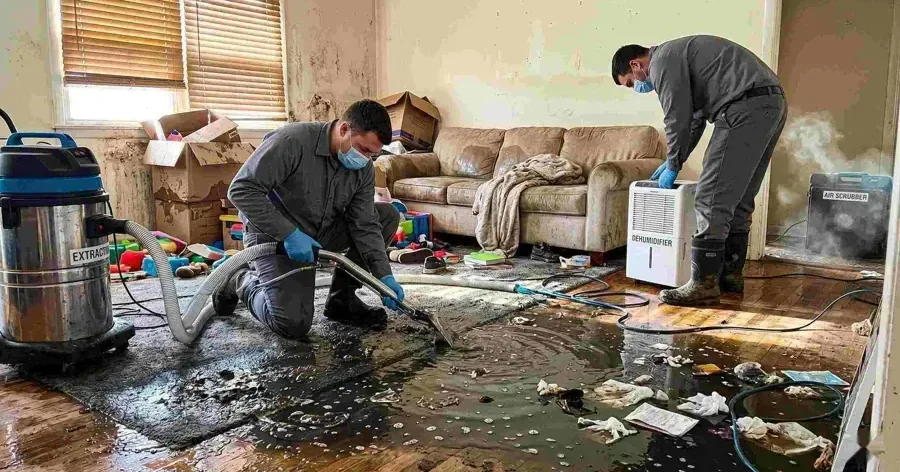 Water Extraction and RemovalTruck-mounted extraction pulls standing water before it wicks into pad, plaster and old floor boards.View service
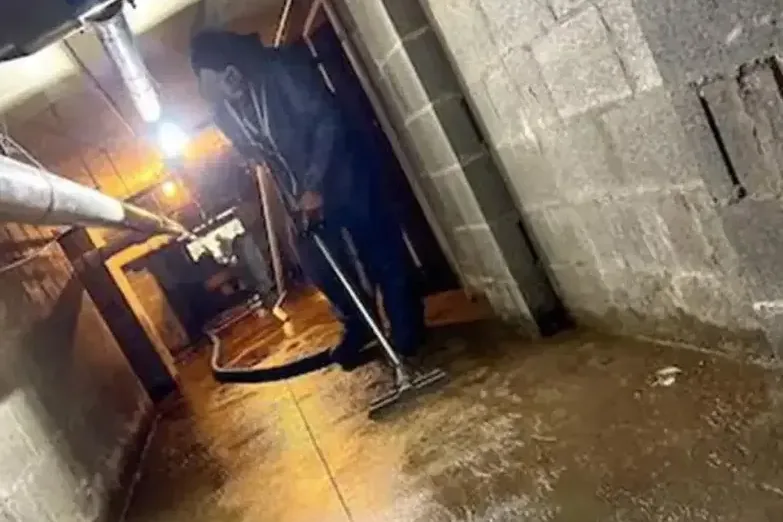 Basement Flooding CleanupWater in stone, block and poured basements pumped out, contents moved and the walls dried down.View service
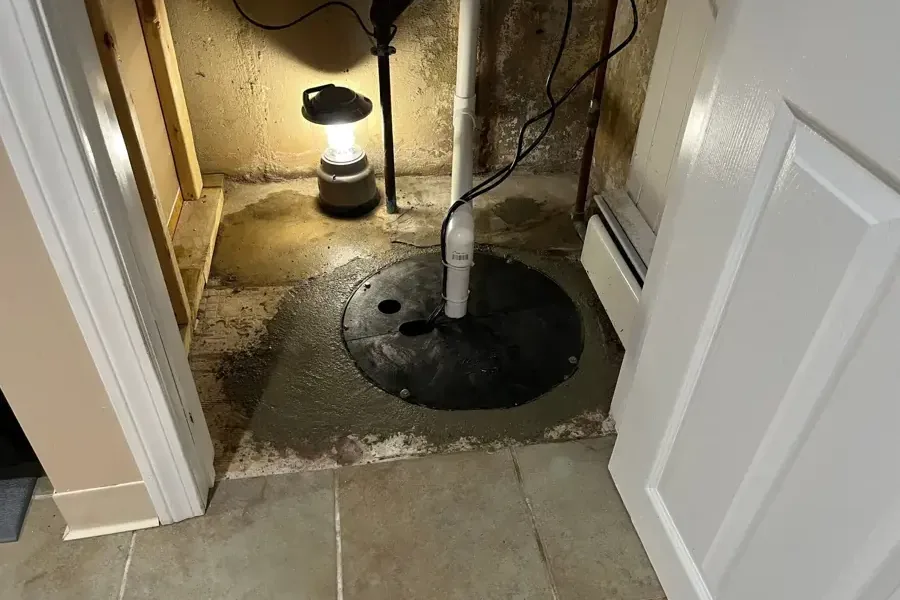 Sump Pump Failure CleanupPits that overflowed during an outage or on a stuck float, extracted and dried before walls wick.View service
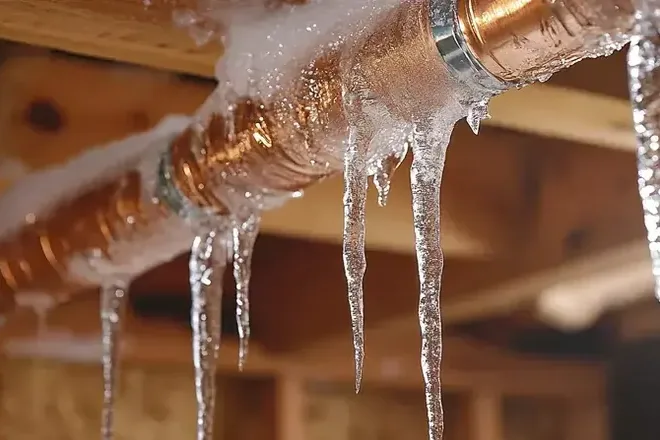 Frozen Pipe Water DamageLines that split inside cold exterior walls and porches, opened up and dried after the thaw.View service
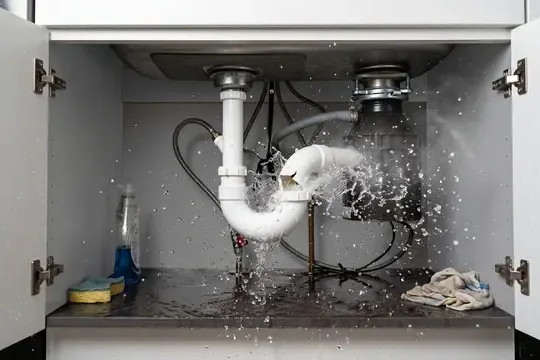 Burst Pipe Water DamageOld galvanized and copper supply failures traced, extracted and the wall cavities dried.View service
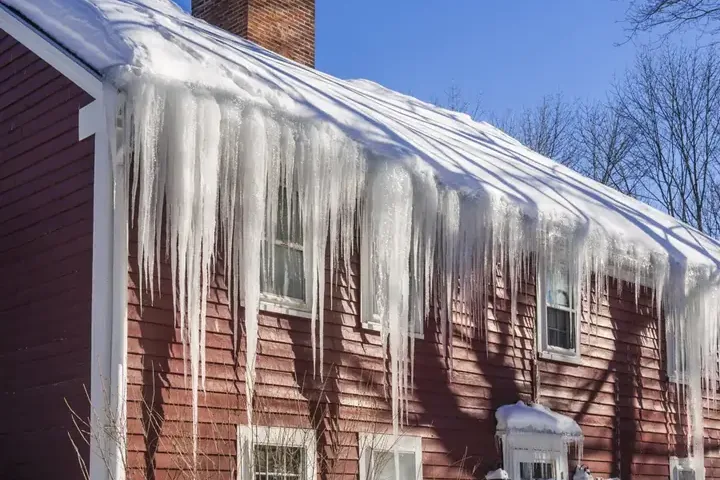 Ice Dam Water DamageRoof meltwater that backed under the shingles, chased through attics and top-floor walls.View service
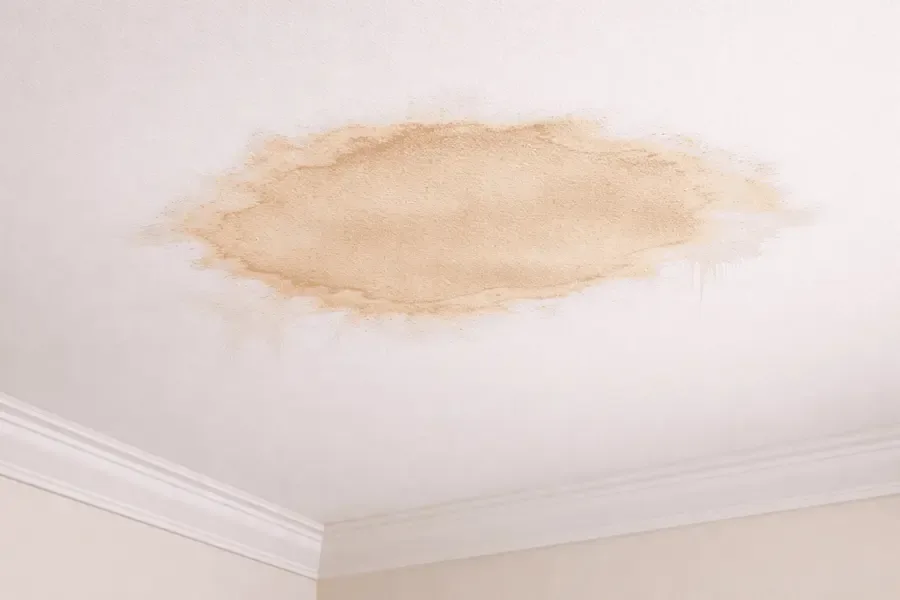 Ceiling Leak Water DamageLeaks from upstairs baths, radiators and units above, ceilings opened safely and dried.View service
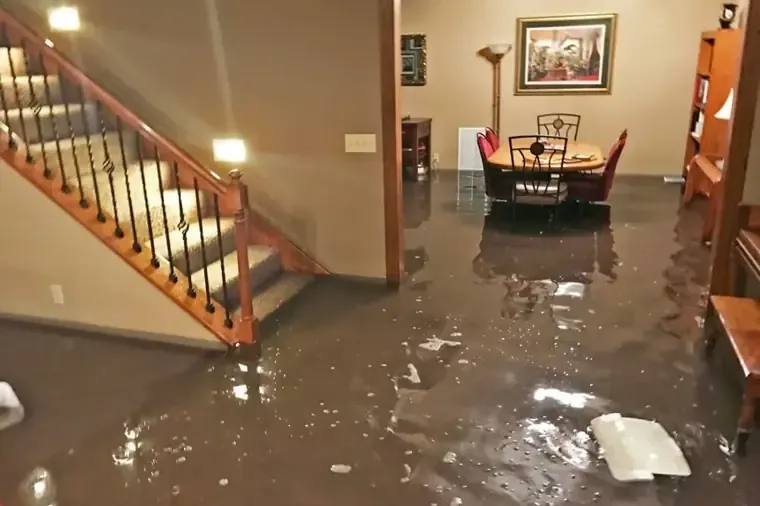 Nor'easter and Storm Flood CleanupNor'easter rain, storm tide and runoff handled as contaminated water, then removed and dried.View service
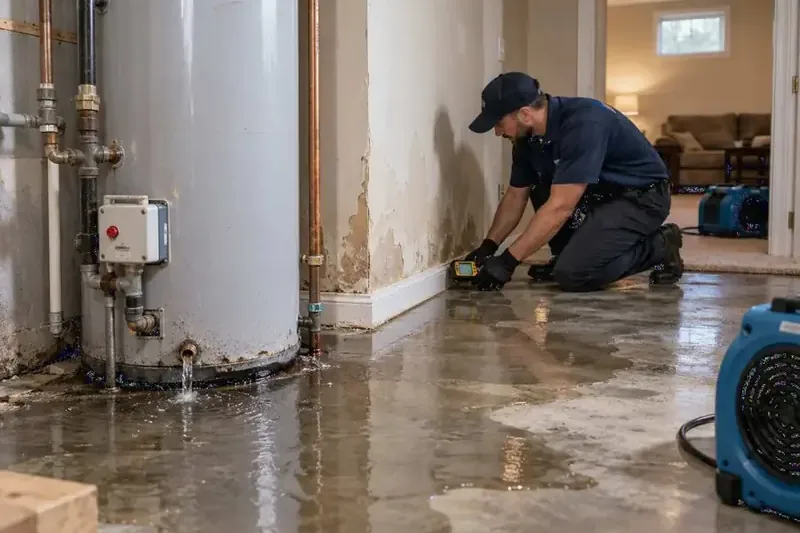 Water Heater Leak CleanupTank and fitting failures in the basement extracted before stored boxes and finished rooms soak.View service
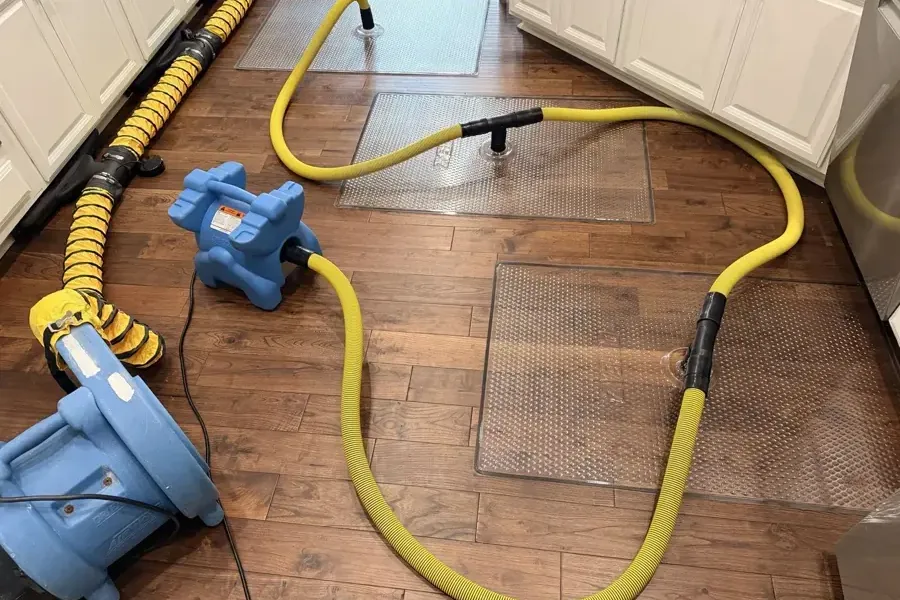 Boiler and Radiator Leak CleanupHot-water and steam heat leaks at the boiler, radiators and baseboard loops, dried room by room.View service
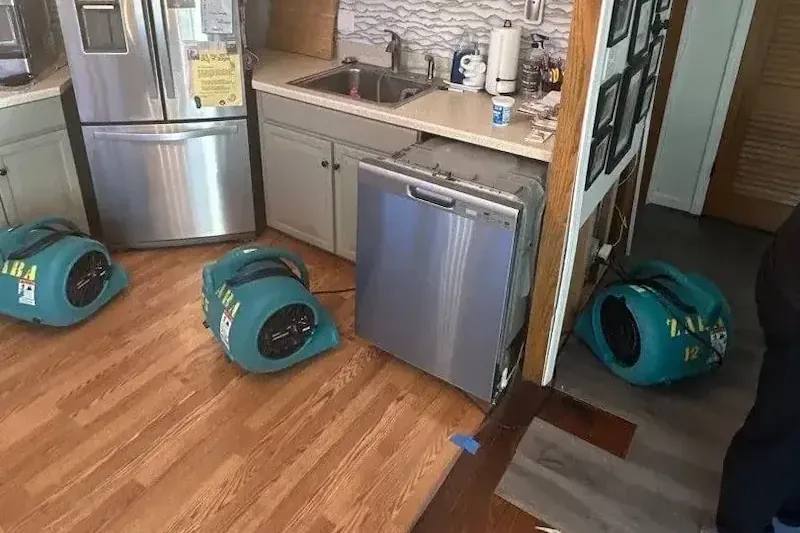 Appliance and Supply Hose LeaksWasher hose, dishwasher, fridge and toilet supply failures dried under floors and cabinets.View service
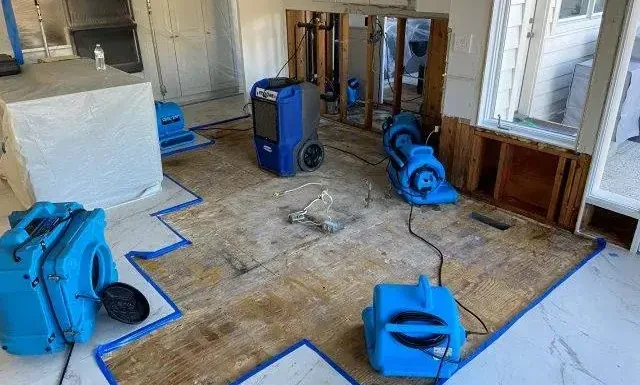 Structural Drying and DehumidificationFraming, subfloor, plaster and hardwood dried to readings, with equipment staying until the goal is met.View service
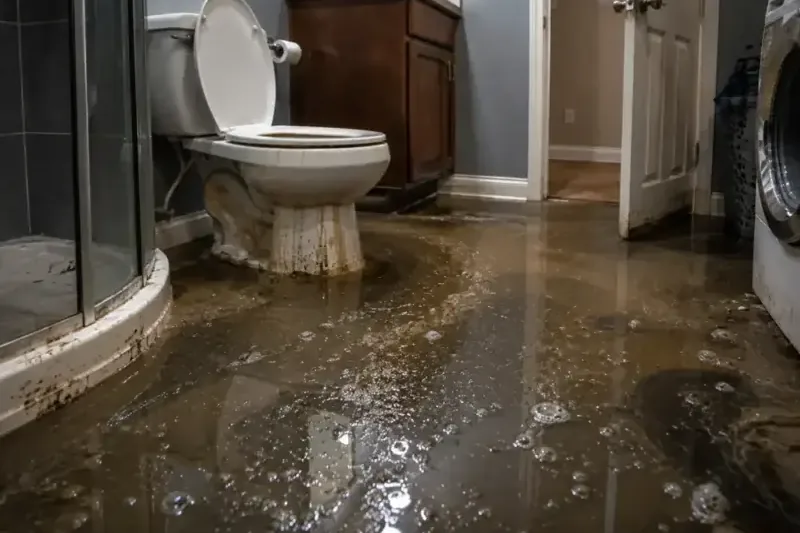 Sewage Backup CleanupFloor drain and toilet backups treated as Category 3 from the start, with full protective gear.View service
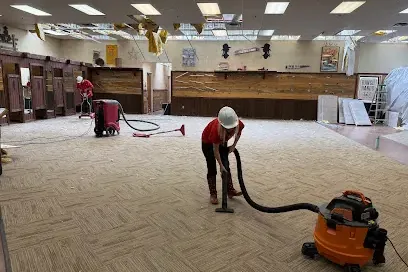 Commercial Water DamageOffices, shops, schools and mill-building suites dried in phases so the doors stay open.View service
Four steps from a wet floor to a dry reading
A finished dry-out and a cosmetic one differ in the order of the work and the proof at the end. The right-hand column is the record each step adds to the claim file.
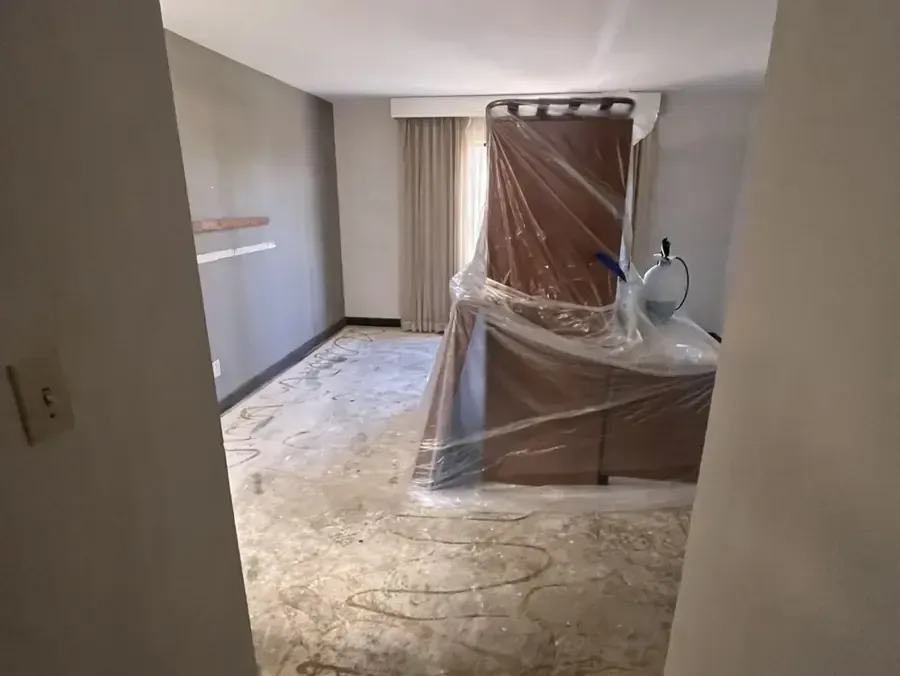
- Structural drying, not surface drying
- Category and class set the plan
- Equipment stays until readings pass
- 01MapThe walkthrough tech reads walls, floors and ceilings with pinless meters and a thermal camera before any equipment is set.Moisture map with category and class
- 02ExtractThe extraction crew pulls standing water with truck-mounted units, so it leaves the building instead of spreading to the next room.Timestamped photos before removal
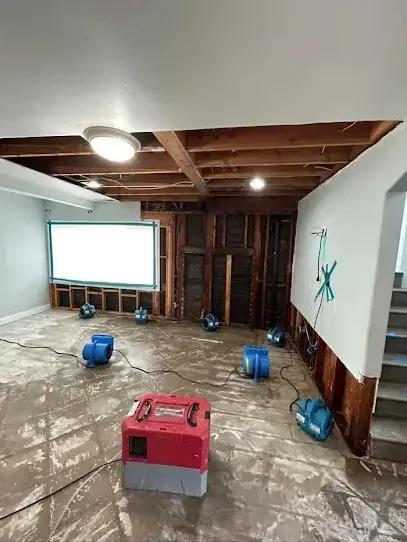
- 03DryThe drying team sizes air movers to each room and runs LGR dehumidifiers, or desiccants for plaster, hardwood and stone.Daily psychrometric readings
- 04VerifyEquipment comes out only when wet materials read within 2 to 4 points of a dry reference in the same house.Final drying log for the file
Every water category, handled the way it needs
The source of the water decides what can be dried in place and what has to come out.
Category 1, clean water
A split supply pipe, a leaking water heater or a boiler relief valve. Extracted and dried in place when drying starts early.
Burst pipe water damageCategory 2, gray water
Washer or dishwasher discharge, or a sump pit that sat for days. Soaked porous materials are cleaned or removed.
Sump pump failure cleanupCategory 3, black water
Sewage, floor drain backups and storm water from outside. Porous materials it touched are removed, not dried.
Sewage backup cleanupHow long the drying takes, start to finish
- Day 0
Moisture map, extraction, removal of what cannot be saved and equipment set in every wet room.
- Days 1 to 3
Readings every day, with air movers and dehumidifiers moved as materials give up water.
- Days 3 to 5
A contained Class 1 or 2 loss in drywall and carpet usually reaches the drying goal here.
- Longer
Plaster, old hardwood and stone foundation walls are slow, Class 4 work that takes extra days.
Drying goal: wet materials read within 2 to 4 points of a dry reference in the same building. Equipment leaves on readings, not on a calendar.
What does water damage restoration cost in Beverly, MA?
Water damage restoration here typically runs from about $1,200 to $12,000 or more. The water category, the square footage that got wet, the material class and how fast drying started decide where a job lands.
One room, clean water
$1,200 to $3,500
- Extraction and drying
- One or two rooms
- Daily moisture readings
Several rooms or a basement
$3,500 to $8,000
- Wall cavity and subfloor drying
- Some material removal
- Basement dehumidification
Sewage or storm water
$8,000 to $12,000+
- Porous materials removed
- Antimicrobial and HEPA work
- Full structural drying
For a planning number based on your own rooms, try the water damage cost calculator. Every real job is priced on what the moisture map shows, never on a phone guess.
What the claim file should hold
A water claim is decided on the documents, not on the phone call. Ask the restoration contractor which records come with the job before work starts.
A sudden and accidental discharge, like a burst supply pipe, is treated differently from rising surface water, which falls under flood coverage. Coverage depends on your policy, so check it with your own insurer.
- 01A moisture map from the first visit marking every wet wall and floor
- 02Dated photos of the damage, shot before anything is torn out
- 03The water category and drying class written on the job record
- 04Daily temperature, humidity and moisture readings until the goal is met
- 05An itemized scope of work an adjuster can check item by item
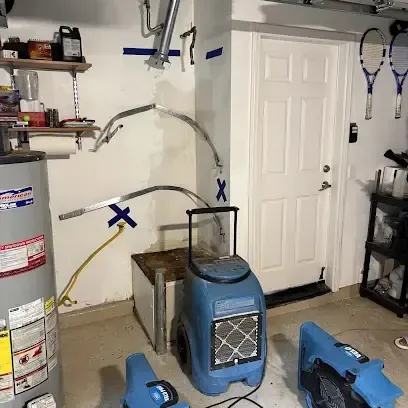
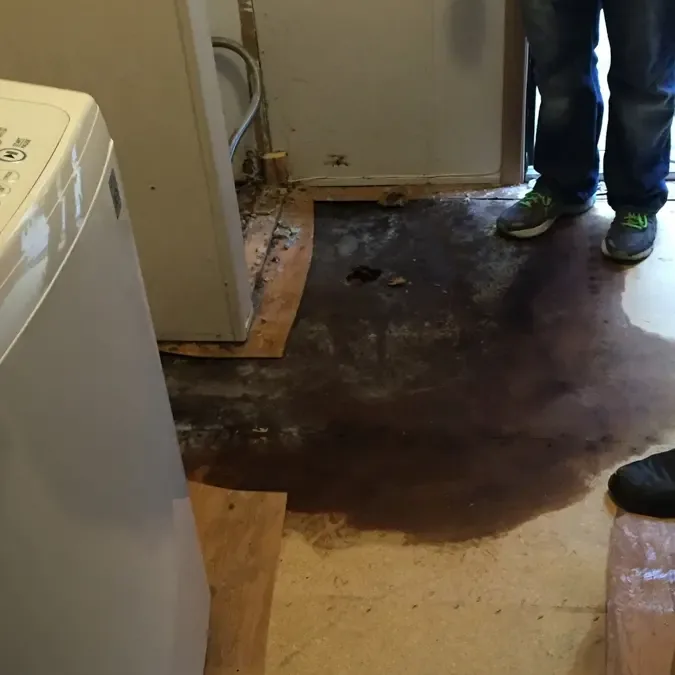
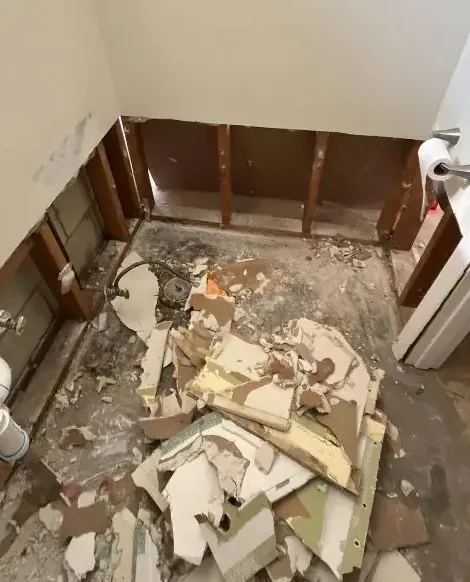
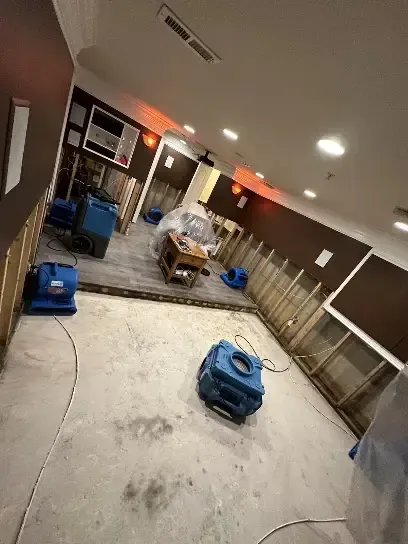
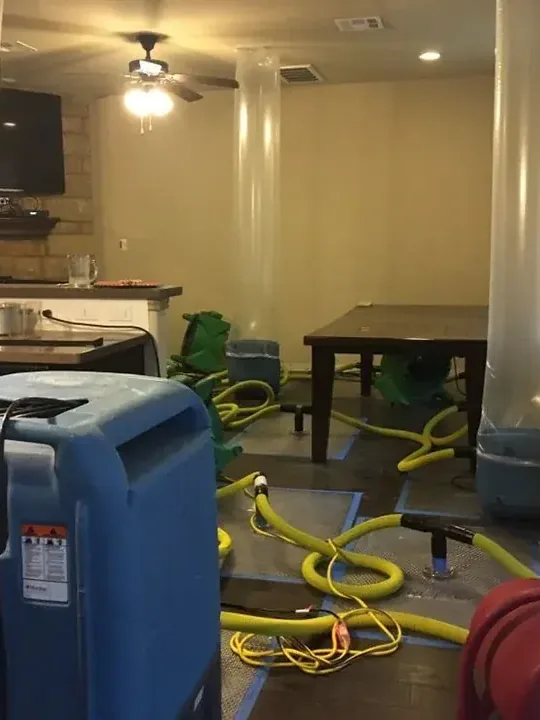
What a drying job looks like from the inside
Water damage help in every Beverly neighborhood
Crews cover all of ZIP 01915, from the downtown blocks to the Gold Coast estates, plus the nearby North Shore towns, day or night.
One toll-free number for the whole city
Say which floor is wet, where the water started and whether it is clean, gray or sewage. That decides what goes on the truck, from a portable extractor for a third-floor walk-up to a truck-mounted unit for a flooded basement.
- Beverly, MA · Essex County
- (888) 629-3140
- Nights, weekends and holidays included
Downtown and the harbor
- Downtown
- Goat Hill
- Cabot Street
- Rantoul Street
- Beverly Cove
Middle of the city
- Montserrat
- Centerville
- Ryal Side
- Brimbal Avenue
North side and the Gold Coast
- North Beverly
- Beverly Farms
- Prides Crossing
- Hale Street
Nearby towns
- Danvers
- Salem
- Peabody
- Wenham
- Hamilton
- Manchester-by-the-Sea
- Marblehead
- Lynn
ZIP code covered
Why houses here take on water the way they do
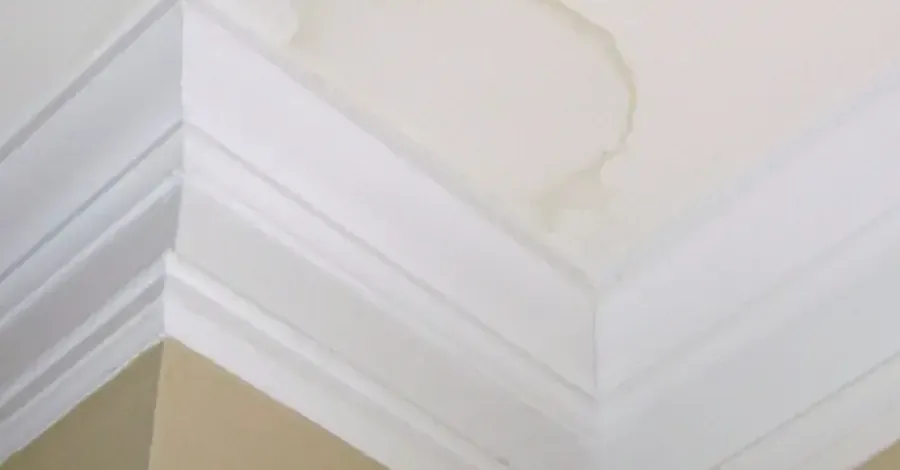
An old coastal city with long winters gets water damage from the cold, from below grade and from the sea. These five patterns shape the typical loss on this part of the North Shore.
- Old houses, old foundations: Many homes downtown, on Goat Hill and in the Cove date to the 1800s and early 1900s and sit on fieldstone, granite or brick foundations that seep during long rains.
- Pipes and boilers on cold walls: Galvanized and early copper supply pipe, cast-iron drains and hot-water heating loops run along exterior walls, where an Arctic snap like February 2023 can split them.
- Ice dams in snowy winters: Heat escaping into older attics melts roof snow that refreezes at the eaves, pushing meltwater under the shingles and into top-floor walls.
- High groundwater near the shore: Glacial till over shallow ledge drains slowly, and streets near the Bass River and the harbor sit close to the water table, so basements and sump pits work hard in spring.
- Nor'easters off the bay: Wind-driven rain and storm tides, remembered from the Blizzard of 1978 and the 2018 nor'easters, push water through siding, flashing and low basement windows.
Named water close by: the Bass River, the Danvers River on the Salem border, the harbor and Salem Sound, Shoe Pond beside the Cummings Center and Wenham Lake on the Wenham border.
Common questions after a leak or a flood
Short answers on drying, cost, insurance and the first hour. If water is moving right now, call before reading on.
Ask a drying tech about the leakHow fast can a crew get to a house in Beverly?
Crews are dispatched 24/7 and emergency water calls are treated as urgent. Timing depends on the hour, the weather and the roads, so shut the water off and start the first-hour steps while help is on the way.
What should be done in the first hour?
Close the main valve, switch off power to wet rooms if the panel is dry, stay out of standing water near outlets, photograph everything, lift belongings off wet floors and then call.
Does homeowners insurance cover water damage in Massachusetts?
A sudden and accidental discharge, such as a pipe that bursts, is usually treated differently from flooding or a slow leak. Rising surface water normally needs a separate flood policy. Coverage depends on your policy, so check it with your own insurer.
What causes most water damage in older North Shore homes?
Pipes that split in exterior walls during deep cold, ice dams that push meltwater under shingles, seeping stone foundations, sump pumps that fail in a storm outage, boiler and radiator leaks, and aging washer hoses and water heaters.
Why do ice dams cause leaks inside the house?
Heat from the living space melts roof snow, and the meltwater refreezes at the cold eaves. The ice ridge holds back more water, which works under the shingles and runs into attic insulation, top-floor ceilings and wall cavities.
How long does it take to dry a house after a leak?
A contained Class 1 or 2 loss usually dries in three to five days. Plaster, old hardwood and stone basement walls take longer. Equipment comes out when the readings say dry, not on a set date.
What is IICRC S500?
IICRC S500 is the industry standard for water damage restoration. It covers how a loss is inspected, how the water is categorized, how drying is set up and how the result is verified with readings.
When does drywall or plaster have to come out?
When it is saturated, sagging, holding wet insulation, touched by Category 3 water or when readings refuse to drop. Clean water caught early can often be dried in place, and plaster on wood lath often dries with the right setup.
Why is a sewage backup handled differently?
Sewage is Category 3 from the moment it enters the house. The work needs containment, protective gear, removal of porous materials it touched and an EPA-registered antimicrobial before any drying starts.
How is the cost of water damage restoration worked out?
By the water category, the square footage that got wet, the material class, the equipment and days needed to dry and how fast drying began. The cost calculator gives a planning range.
Water in the house right now? Call before it soaks the sills.
Standing water keeps spreading until it is extracted. Local crews start with a moisture map, not a guess, 24/7.