Sewage Backup Cleanup in Beverly, MA
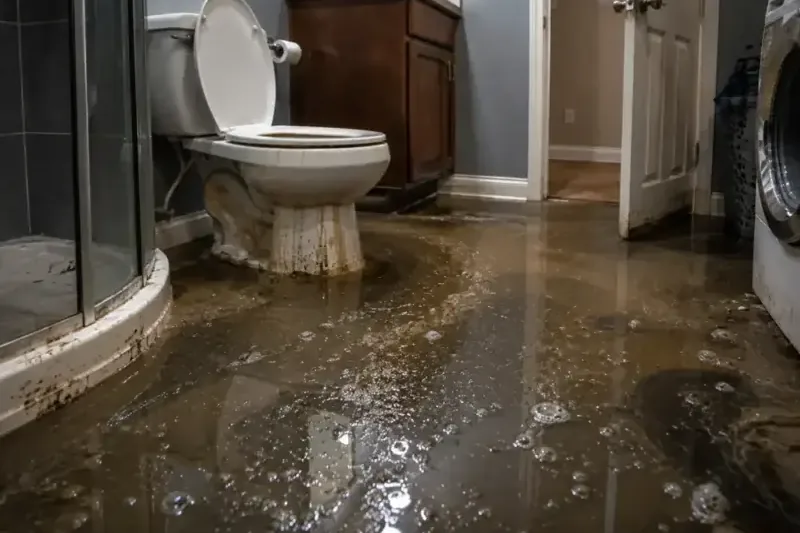
A floor drain or toilet that backs up brings Category 3 water into the house from the first drop. The mitigation team contains it, removes what it touched and disinfects and dries Beverly homes, 24/7.
(888) 629-3140Contain the sewage backup now- Category 3 from the start
- Full PPE and containment
- EPA-registered antimicrobial
What to do first about sewage backup cleanup
- 1
Stop using the drains
No flushing, showers or laundry until it is clear.
- 2
Keep people out
Close off the area, especially for kids and pets.
- 3
Shut off power
Only from a dry panel away from the water.
- 4
Photograph it
Shoot the backup before cleanup begins.
How sewage backup cleanup is handled, step by step
Each step follows the IICRC S500 drying standard, and the right-hand column is the record that step leaves in the claim file.
- 01ContainArea sealed off with negative air.Moisture map with the category and class
- 02RemoveSewage and porous materials taken out.Timestamped photos before anything is removed
- 03TreatEPA-registered antimicrobial at dwell time.Daily psychrometric and moisture log
- 04DryStructure dried and readings logged.Final readings against a dry reference
What does sewage backup cleanup cost in Beverly, MA?
Sewage backup cleanup here typically runs $2,500 to $15,000. The amount of sewage, how far it spread, the porous materials that must come out and how fast cleanup started move the number, and Category 3 handling adds cost.
Floor drain, unfinished
$2,500 to $5,000
- Containment and PPE
- Concrete cleaned
- Antimicrobial treatment
Finished basement
$5,000 to $10,000
- Carpet and drywall removed
- Antimicrobial treatment
- Structural drying
Upper floor or wide spread
$10,000 to $15,000+
- Several rooms
- Wide removal
- Full structural drying
These are typical ranges, never a quote. The category of water, the square footage, the material class and how fast drying started move the number most. The water damage cost calculator gives a closer planning range.
Sewage carries bacteria, viruses and parasites, so it is Category 3 from the moment it enters the house. In older homes here, backups usually come up through a basement floor drain or the lowest toilet when the main sewer pipe clogs with roots or grease, or when heavy rain overloads the system.
How a sewage cleanup is done
The mitigation team works in a set order to keep contamination from spreading.
- Containment and negative air to seal off the area
- PPE for anyone entering: respirators, gloves, suits and boots
- Extraction of the sewage and removal of solids
- Porous materials removed with a margin above the waterline
What has to come out
Carpet, pad, drywall, insulation, upholstered furniture and cardboard that sewage touched are removed, not dried. Hard surfaces such as concrete, tile, metal and sealed wood are cleaned and treated with an EPA-registered antimicrobial left on for the full label dwell time before any drying starts.
Sewage still on the floor? It keeps spreading bacteria into everything porous.
Seal off the sewage areaDrying and clearing the space
After cleaning, air movers and LGR dehumidifiers dry the structure to the goal described under structural drying. Backups caused by storm water overloading the system share some steps with storm flood cleanup.
Keep everyone out of the area
Children, pets and anyone with a weak immune system should stay away. Do not run fixtures that drain to the backed-up pipe until the main is clear.
Sewage backup cleanup across Beverly and nearby
The restoration team covers ZIP 01915 end to end, from Downtown, Goat Hill and the Cove to Montserrat, Centerville, Ryal Side and the north side, out along Hale Street to the Farms and Prides Crossing.
Nearby work reaches Danvers, Salem, Peabody, Wenham, Hamilton, Manchester-by-the-Sea, Marblehead and Lynn.
Related water damage services
Sewage Backup Cleanup questions, answered
What owners ask most about sewage backup cleanup, from drying time to the claim file.
Ask the drying team by phoneWhy is sewage cleanup different from other water damage?
Sewage is Category 3 from the start. It needs containment, protective equipment, removal of porous materials it touched and an EPA-registered antimicrobial before any drying.
What causes sewage backups in older homes?
Roots and grease clogging an old clay or cast-iron sewer pipe, a collapsed pipe under the yard, and heavy rain that overloads the system and pushes water back up through floor drains.
Is it safe to clean up a small sewage backup alone?
Even a small backup carries bacteria and viruses. Without protective gear, containment and the right disinfectant, contamination can spread through the house.
What can be saved after a sewage backup?
Hard, non-porous items such as metal, glass, tile and sealed wood can often be cleaned. Carpet, pad, drywall, insulation and upholstered items it touched are removed.
Does insurance cover sewage backup cleanup?
Many policies cover sewer backup only through a separate endorsement. Coverage depends on your policy, so check it with your own insurer.
How long does sewage cleanup take?
Removal and cleaning usually take one to two days, then drying takes three to five more. Readings decide when equipment comes out.
Sewage in the basement? Get it contained and treated.
The mitigation team contains the area, removes contaminated materials, applies antimicrobial and dries to the readings. Dispatch runs 24/7.