Water Damage Restoration Salem, MA
Harbor tides, river overflow, aging pipes and heavy winter snow all push water into Salem buildings. Technicians extract the standing water, dry the structure with measured equipment and document each step for the insurance file.
(888) 629-3140Talk to a drying crew- Water extraction
- Structural drying
- Storm flood cleanup
- Insurance records
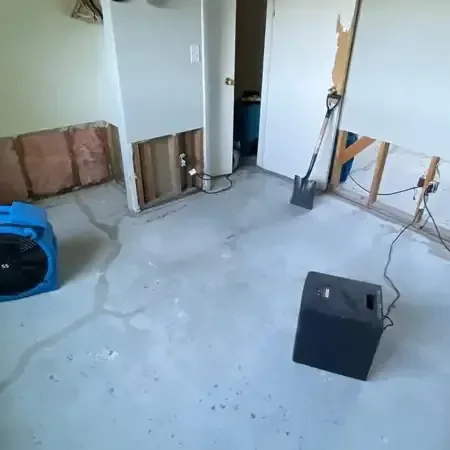
What to do first when water shows up
Safety comes first. These steps protect people and belongings and keep the damage from spreading before restoration starts.
- 1
Stop the source
Close the supply valve for a burst pipe or leaking appliance if it is safe to reach.
- 2
Cut the power
Switch off breakers for wet rooms and stay out of standing water near outlets, cords or a boiler.
- 3
Lift what you can
Move rugs, shoes, papers and small furniture onto dry surfaces, and keep wet books and photos flat.
- 4
Take photos
Photograph the water line, the damaged items and the source before anything is moved or thrown out.
- 5
Call for help
Call now, any hour, so extraction and drying begin before moisture settles into wood and plaster.
If the water came from a toilet, a drain or a rising tide, treat it as contaminated and keep children, pets and bare hands away until it is cleaned.
Services for every kind of leak and flood
Each page below covers one cause of water damage, with local notes, price ranges and the steps a crew follows from the first visit to the final reading.
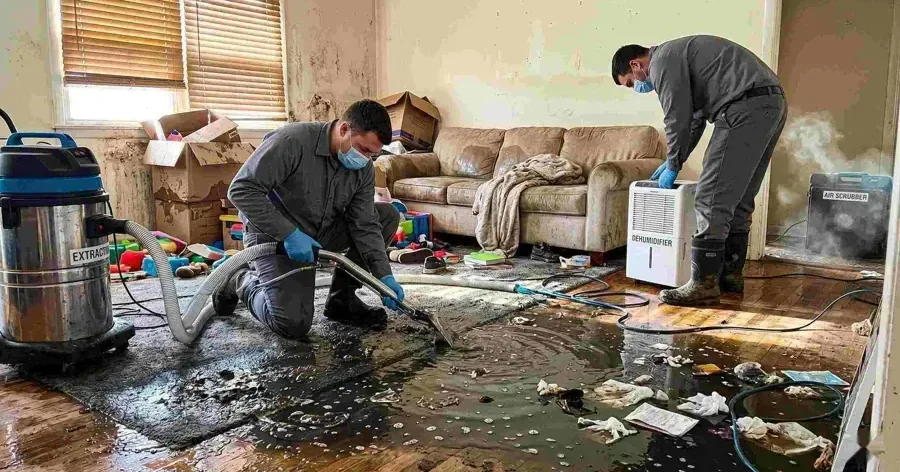 Water Extraction and RemovalPumps and wet vacuums pull tidal, storm or pipe water out before it soaks into floors and walls.View service
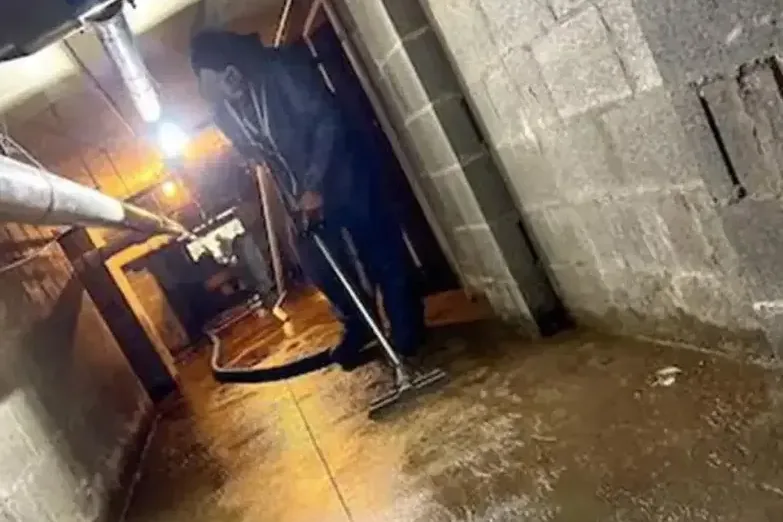 Basement Flooding CleanupWater in a lower level is pumped out, then walls and floors are cleaned and dried.View service
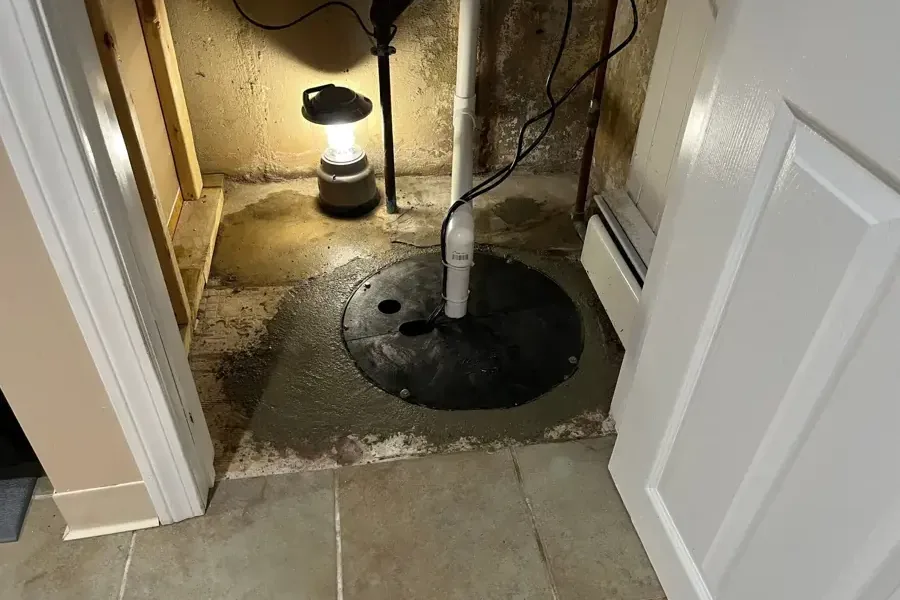 Sump Pump Failure CleanupWhen a pump fails, cleanup covers the pit, the floor and the lower walls.View service
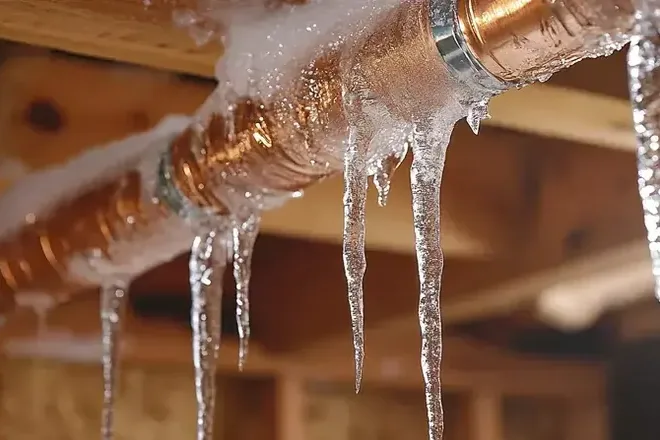 Frozen Pipe Water DamageFrozen pipes can split, and the thaw releases water inside walls, ceilings and floors.View service
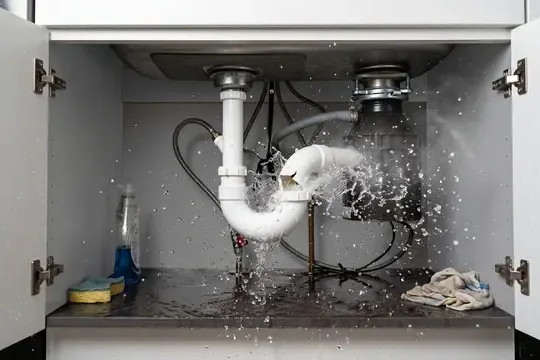 Burst Pipe Water DamageTechnicians trace the wet path of a burst pipe, extract, and open only what must come out.View service
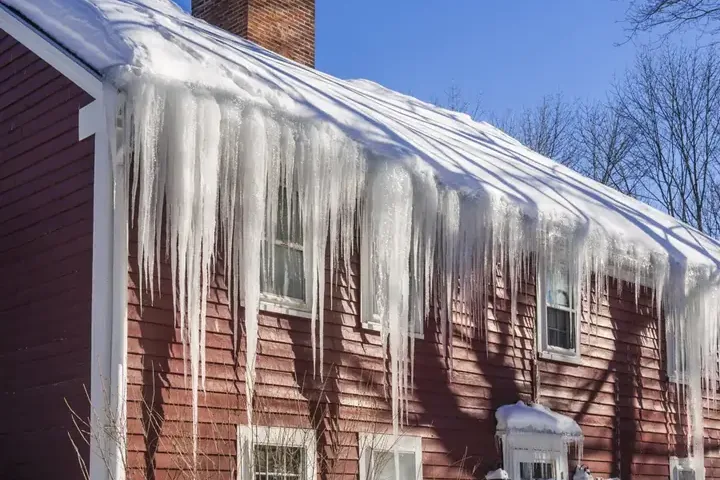 Ice Dam Water DamageMelt water trapped behind roof edge ice leaks into attics, where insulation is dried or replaced.View service
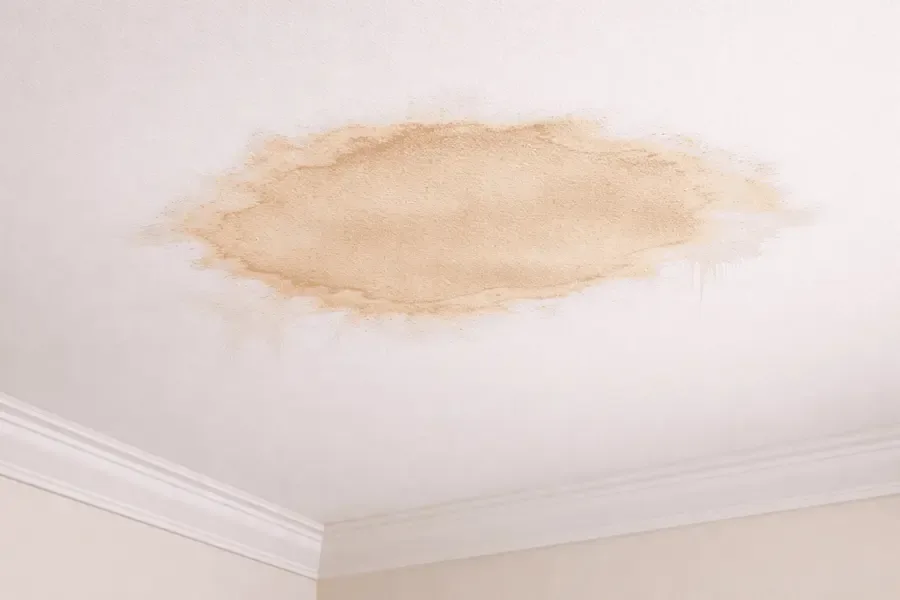 Ceiling Leak Water DamageLeaks from the roof or the unit above sag ceilings, and trapped moisture is located before repairs.View service
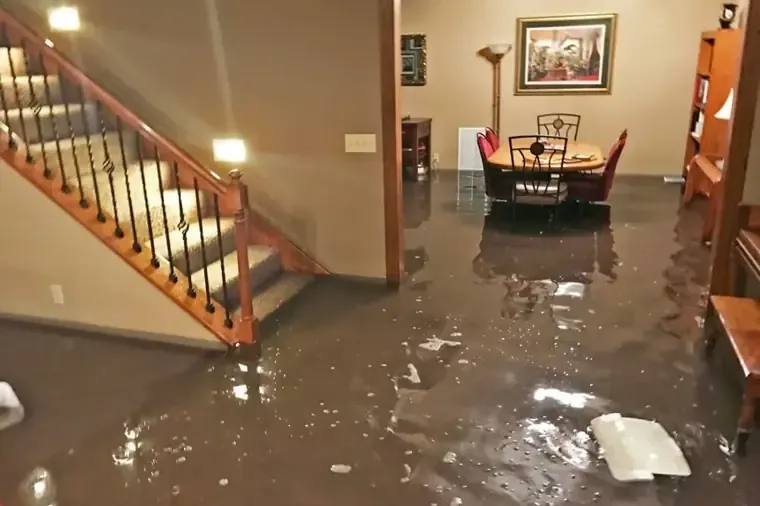 Nor'easter and Storm Flood CleanupNor'easters and harbor tides push water through doors and low walls, and cleanup removes what came in.View service
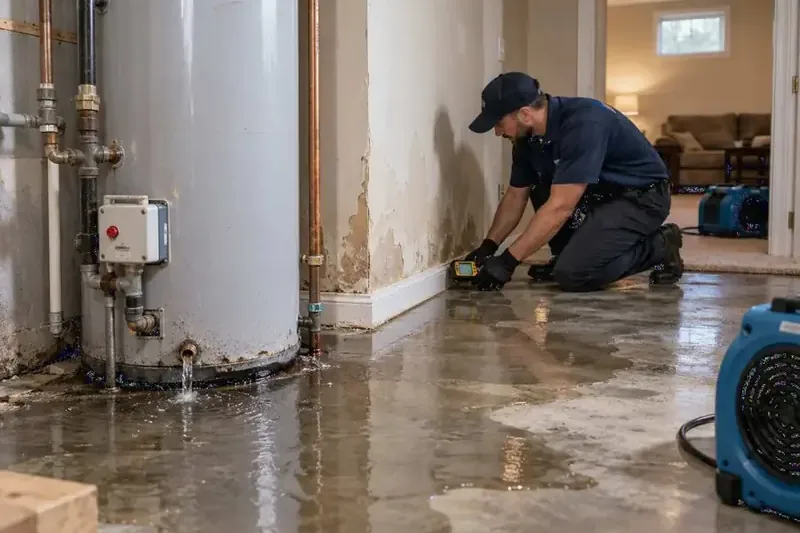 Water Heater Leak CleanupA leaking tank spreads across utility rooms and floors, and the cleanup dries what lies under it.View service
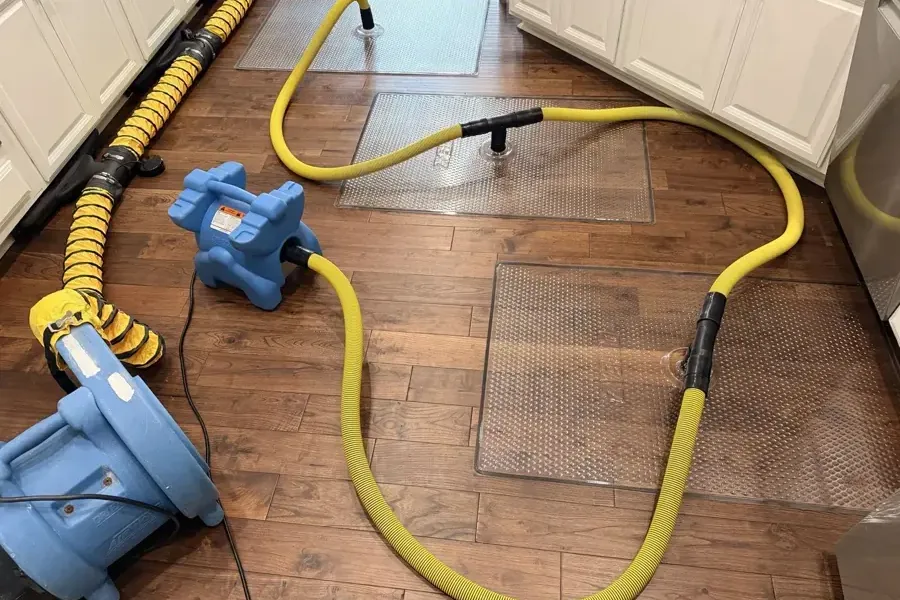 Boiler and Radiator Leak CleanupBoiler and radiator leaks release hot water into floors and plaster, and heating is shut down first.View service
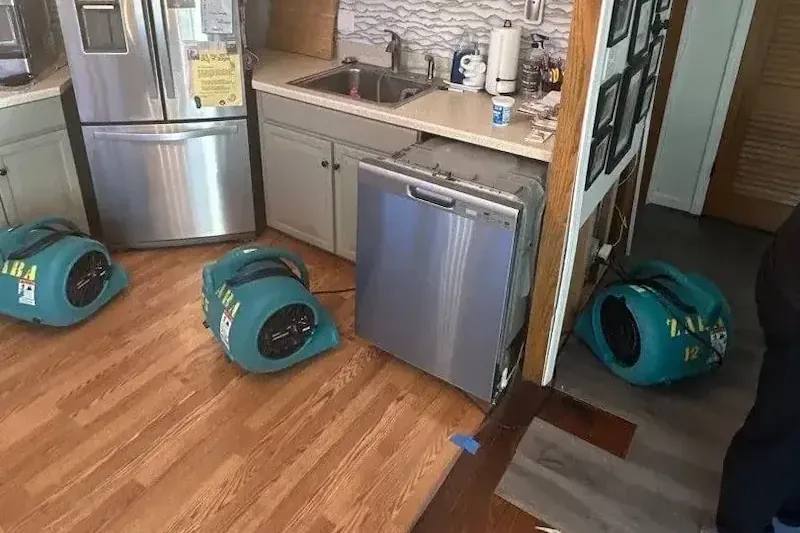 Appliance and Supply Hose LeaksWashers, dishwashers and supply hoses can leak through floors, sometimes reaching the home below.View service
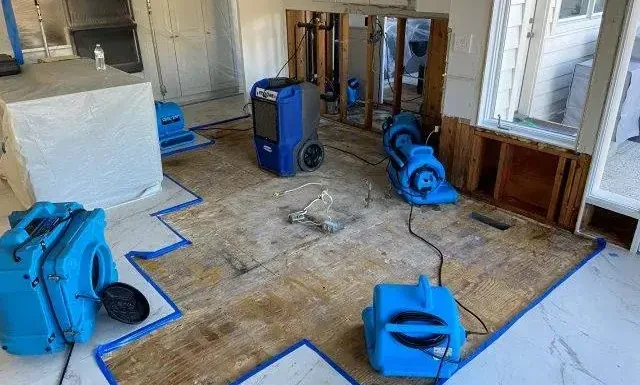 Structural Drying and DehumidificationMeters, air movers and dehumidifiers dry framing and masonry until readings return to the dry standard.View service
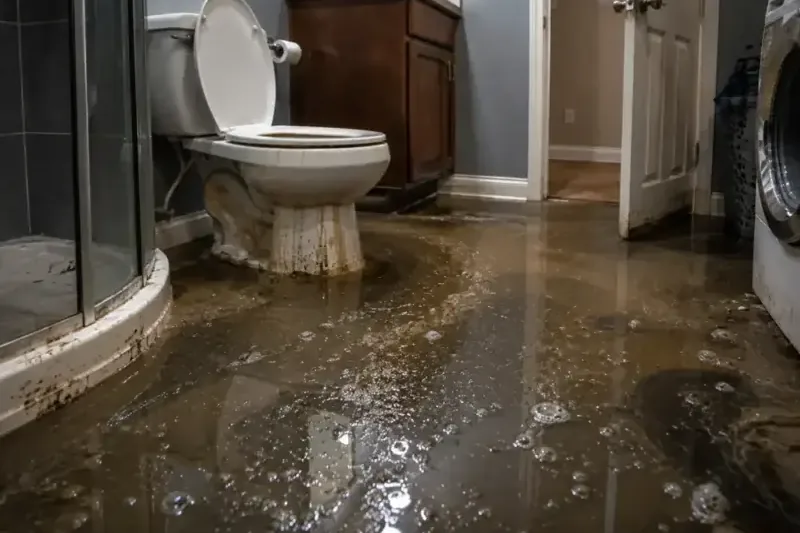 Sewage Backup CleanupBacked up drains bring contaminated water indoors, so materials are removed and the area is sanitized.View service
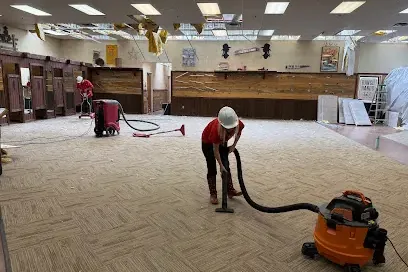 Commercial Water DamageShops, offices and rental buildings get a plan that limits downtime and records the loss for the claim.View service
A documented process from first reading to final check
Every job follows a written sequence so the property owner, the adjuster and the crew can see what was found, what was done and why the structure counts as dry.
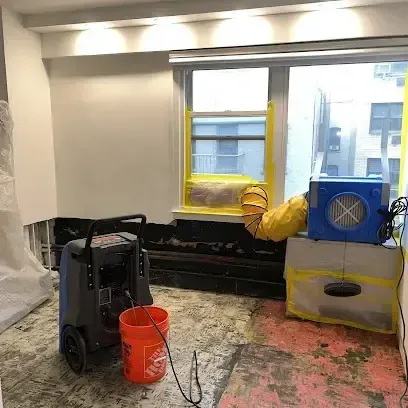
- Moisture mapped room by room
- Daily readings logged
- Photos kept for claims
- 01InspectTechnicians trace the water path with moisture meters and a thermal camera, then mark each wet zone on a simple map of the building.Moisture map and photos
- 02ExtractStanding water is pumped or vacuumed out first, since lifting liquid is far more efficient than drying it out of the air.Water removed and logged
- 03DryAir movers and dehumidifiers run in a layout matched to the materials, with readings taken again on every visit.Daily moisture log
- 04VerifyThe last readings are compared with dry samples from unaffected areas before any equipment leaves the property.Final reading sheet
Where most water damage starts here
Most calls in town trace back to one of three sources, and each needs a different first move.
Burst and frozen pipes
Winter storms such as the February 23, 2026 blizzard in Essex County put pipes at risk of splitting, and one split can wet several floors.
See burst pipe repairTides, storms and rain
Harbor and river water has reached local streets and homes, from the March 2, 2018 tide to the Bridge Street closures of July 2021.
See storm flood cleanupSewage and drain backups
Wastewater that returns up a floor drain or toilet is contaminated and needs removal, cleaning and sanitizing, not only drying.
See sewage backup careHow a restoration job unfolds day by day
- First visit
Technicians shut off the source, extract standing water and map the wet materials with meters.
- The first day
Air movers and dehumidifiers go in, and anything unsalvageable, such as soaked carpet padding, is bagged out.
- The next few days
Crews return to read the meters, shift the equipment and open any wall that stays damp.
- Final check
Readings are compared with dry samples, equipment comes out and the owner receives the moisture log.
Drying goal: every wet material tests at or below the readings of dry samples from the same building, so rebuilding can begin without hidden moisture.
What does water damage restoration cost in Salem, MA?
Most jobs land between $1,200 and $12,000 or more, depending on the area wet, how long water sat and whether it was clean, gray or contaminated. A written scope after the first readings sets the actual figure.
Small area, caught early
$1,200 to $3,500
- One room affected
- Clean water source
- Short drying run
Several rooms or a floor
$3,500 to $8,000
- Multiple rooms wet
- Walls or flooring opened
- Longer equipment stay
Storm, sewage or long leaks
$8,000 to $12,000+
- Contaminated or tidal water
- Several levels affected
- Materials removed and rebuilt
These ranges cover labor, equipment and debris removal for the drying phase. Rebuilding work such as new drywall, trim or flooring is usually priced separately and agreed in writing.
Documentation that supports your claim
Insurers ask for proof of what failed, when it happened and what it cost to dry. A clean record makes that conversation easier.
Coverage depends on the policy and the cause, so homeowners and landlords should read the policy language and ask the adjuster directly. The restoration crew documents conditions but does not decide coverage.
- 01Dated photos of the damage, the source and affected belongings.
- 02A written scope showing every room and material treated.
- 03Daily moisture readings from the first visit to the final check.
- 04An itemized list of damaged contents and what was discarded.
- 05Receipts for emergency repairs, such as stopping a leak or boarding an opening.
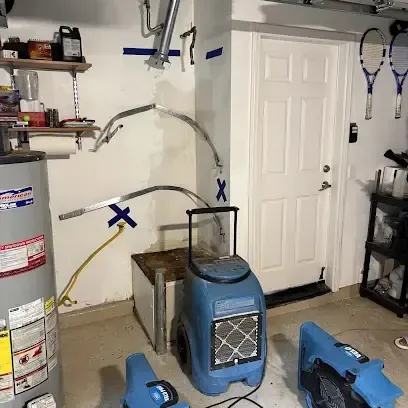
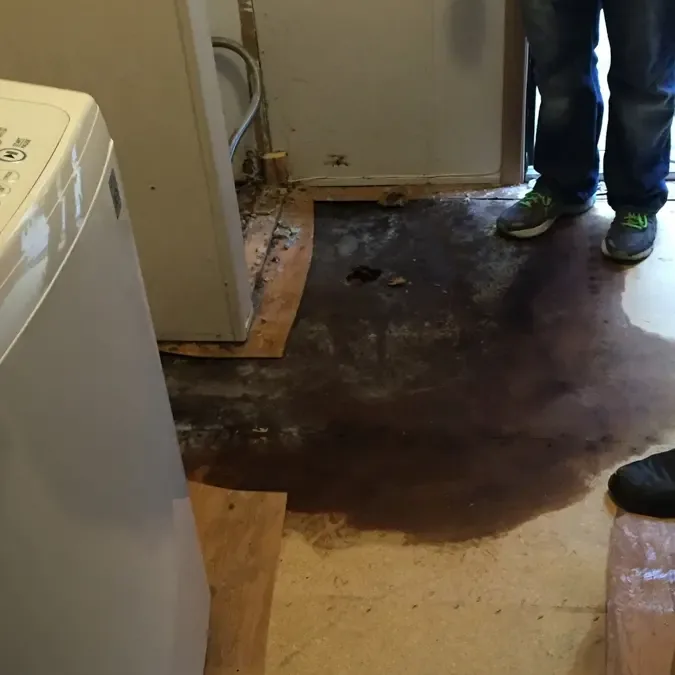
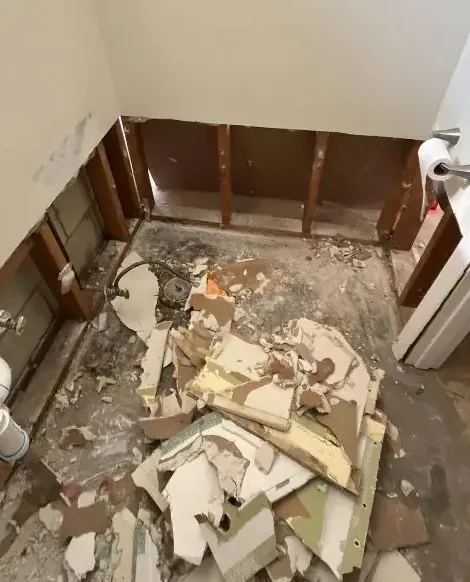
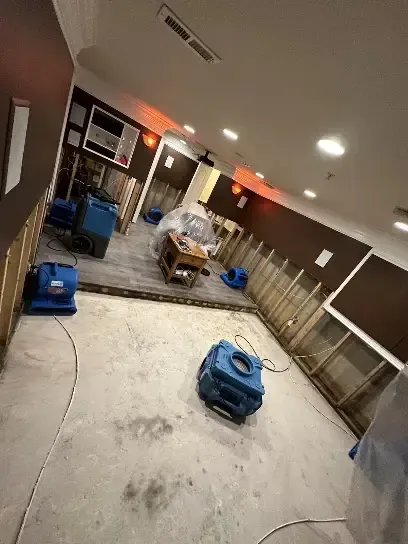
Equipment and conditions crews deal with
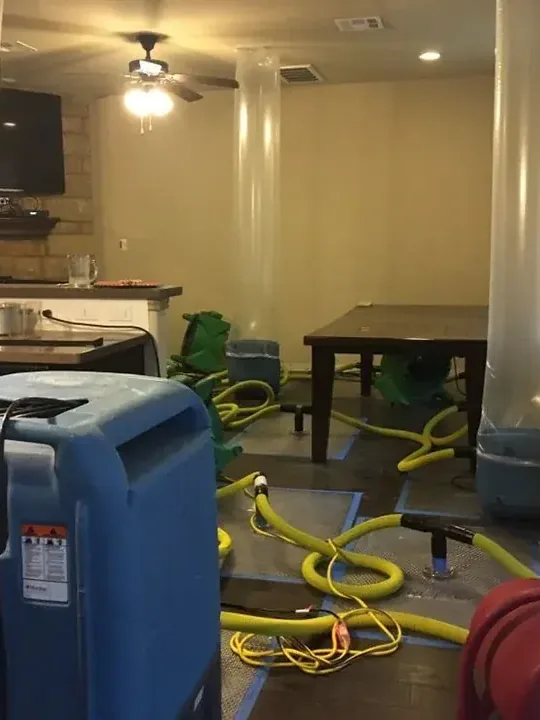
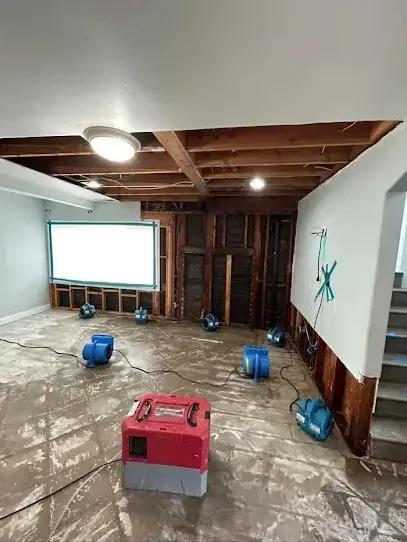
Water damage coverage across Salem, MA
Crews work across the city's historic districts, harbor neighborhoods and residential streets, wherever a leak, tide or backup leaves buildings wet.
Neighborhoods and corridors served
Service covers the downtown blocks, Derby Street and the waterfront, North Salem across the North River, South Salem toward the Forest River and the Highland Avenue plazas, plus homes around Salem Common, Castle Hill and the McIntire District.
- Salem, MA · Essex County
- (888) 629-3140
- Nights, weekends and holidays included
Downtown and waterfront
- Downtown
- Derby Street
- The Point
- Pickering Wharf
North of the rivers
- North Salem
- Mack Park
- Northfields
- Blubber Hollow
South and west
- South Salem
- Vinnin Square
- Castle Hill
- Highland Avenue area
Nearby cities
ZIP code served
Why water damage is common around Salem
Salem sits between its rivers, coves and open harbor, and water makes up about 55 percent of the city's total area, so tides and storms touch many local buildings and streets.
- Tides and the North River: On March 2, 2018, a high tide near 11 feet pushed the North River over its banks and flooded Bridge Street, while Derby Street became impassable.
- Seawall failure of 2024: In January 2024 a Juniper Point seawall failed during a winter storm and king tide, and seawater reached streets and homes around Collins Cove and The Point.
- Heavy rain on Bridge Street: Rain tied to Tropical Storm Elsa closed part of Bridge Street on July 9, 2021, and heavy rain closed it again three days later.
- Canal Street drainage: The Canal Street area had chronic flooding, and the city won a $3 million FEMA hazard mitigation grant for new stormwater drainage.
- Older and shared buildings: About 56 percent of housing units were built before 1939 by an older estimate, and about 38 percent of homes sit in buildings of 2 to 4 units, where a leak above can reach the home below.
Named waters here include the North River, South River and Forest River, the Danvers River and Beverly Harbor, Palmer Cove, Collins Cove, Juniper Cove and the North River Canal.
Water damage questions from local owners
These short answers cover what people ask first when water appears in a home, shop or rental building.
Ask about your propertyHow soon should standing water be removed?
As early as it is safe, because drywall, insulation and framing start absorbing moisture right away, and mold can start in the first 24 to 48 hours. Early extraction keeps more of the building in place.
What happens during the first visit?
Technicians check for hazards, stop or identify the water source, then use meters and a thermal camera to find wet materials before pumping begins and drying equipment is set.
Can wet carpet, drywall and flooring be saved?
Clean water caught early often lets carpet and hard flooring dry in place. Contaminated water, long exposure or soaked drywall usually means removal, and the meter readings decide which materials stay.
Is harbor or river flood water treated differently?
Yes. Water from tides and rivers carries silt and bacteria, so it counts as contaminated. Porous items such as padding and drywall come out, and hard surfaces are cleaned and sanitized.
What should tenants in apartment buildings do first?
Tell the landlord right away, photograph the damage and shut off the supply if it is safe. About half of occupied homes here are rented, and leaks often travel down to neighbors.
How are older brick and wood buildings dried?
Dense brick, plaster and old framing release moisture slowly, so crews match dehumidifiers and air movers to each material and keep reading the meters. See structural drying for the method.
Who pays for water damage restoration?
That depends on the policy and the cause. Sudden pipe failures are often covered while slow leaks and some flood losses are not, so the adjuster has the final word. Crews supply photos and logs for the claim.
What is different about a sewage backup?
Sewage is contaminated by nature, so affected materials are removed, surfaces are cleaned and sanitized, and nothing is simply dried and left. The sewage backup page explains the steps.
Do winter storms cause water damage here?
Yes. Heavy snow can melt behind roof edge ice, and cold snaps such as the February 23, 2026 blizzard in Essex County can split pipes. Both leave wet ceilings and walls.
What helps when calling for help?
Describe the source, which rooms are wet, whether power is on and whether the water looks clean or dirty. Photos help, and so does knowing the building type.
Water in the building right now? Call for help.
Technicians can talk through the damage, explain the next steps and set up extraction and drying for the property.