Water Damage Restoration Peabody, MA
Water damage in Peabody can start with a failed pump, a split pipe or heavy rain flooding downtown. The crew extracts standing water, maps hidden moisture and sets drying equipment for homes and businesses across the city.
(888) 629-3140Reach a drying crew now- Extraction and drying
- Homes and businesses
- Moisture mapped with meters
- Records for insurance
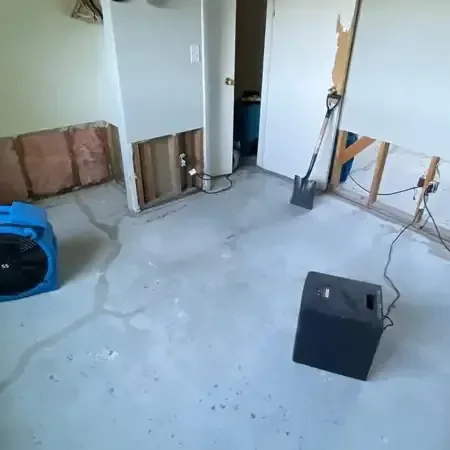
What to do while the water is still spreading
A few quick moves limit how far water travels before extraction starts, and none of them need special tools.
- 1
Stop the source
Close the shutoff for the pipe, appliance or fixture that is leaking, and keep people away from any wet outlet.
- 2
Photograph everything
Take wide and close photos of the water, the wet belongings and the source before anything is moved.
- 3
Lift what is easy
Move rugs, small furniture and electronics to a dry spot, but leave heavy pieces and wet drywall alone.
- 4
Keep fans in check
Use a fan only when the water is clean, and leave it off when sewage or a dirty source is involved.
- 5
Call before cleanup
Phone a drying crew before scrubbing or mopping, because early extraction decides how much material can be saved.
Sewage, storm water from outside and anything that sat for days should be treated as unsafe to touch, so those cases go straight to a call.
Every kind of water loss, one call
Each service has its own page with scope, process and price ranges, so a leak, a flood or a backup can be matched to the right work before demolition begins.
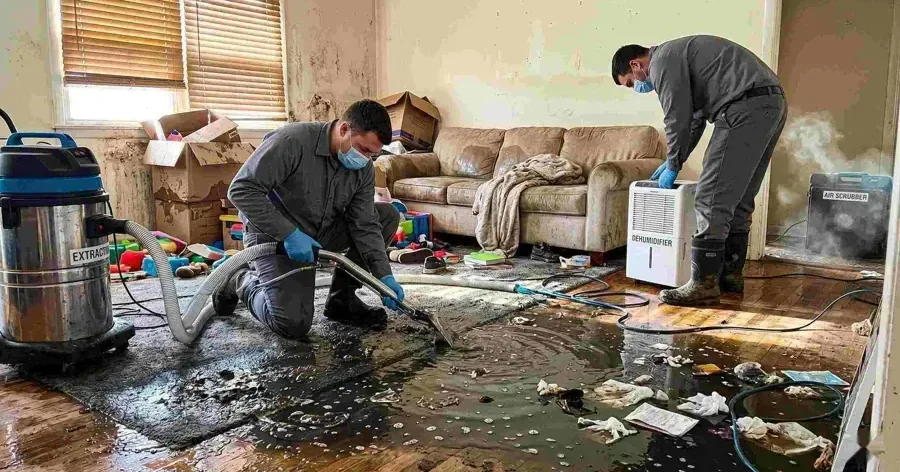 Water Extraction and RemovalPumps and extractors pull standing water off floors and carpet before it can soak into framing.View service
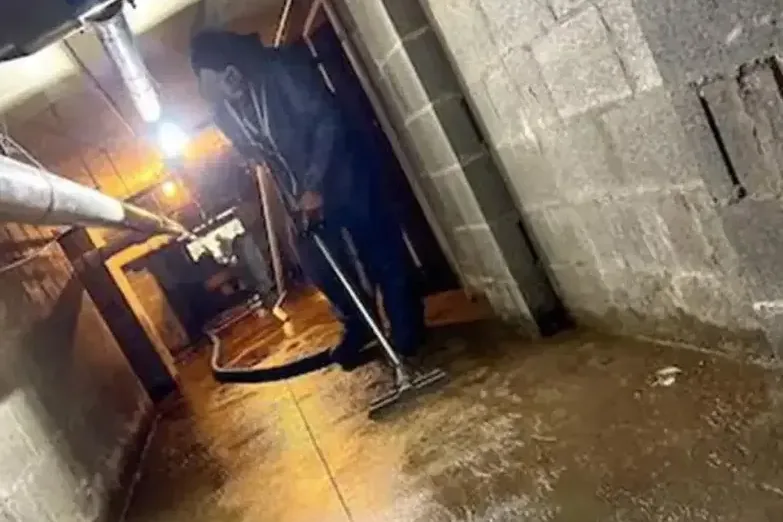 Basement Flooding CleanupRain or rising water in a lower level is pumped out, then walls and floors are dried.View service
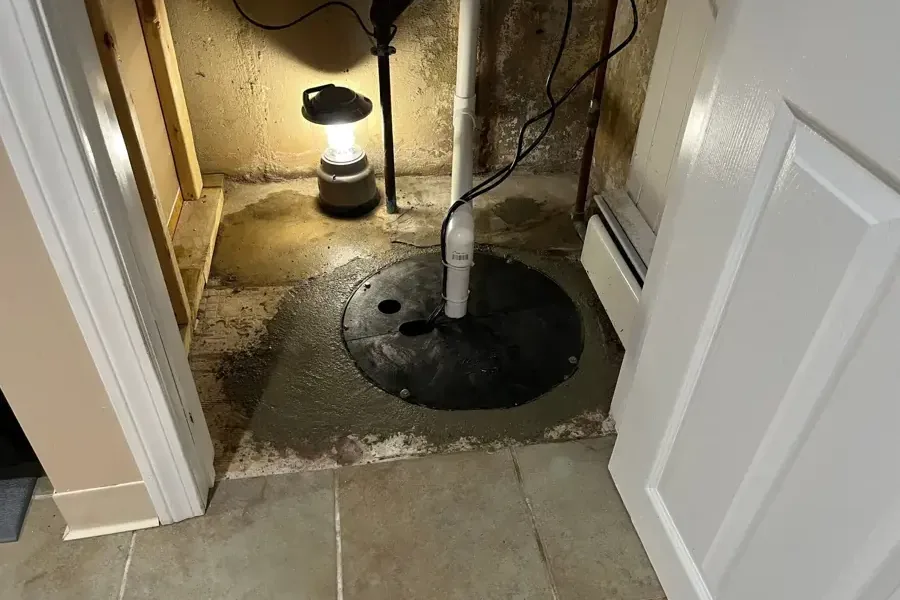 Sump Pump Failure CleanupWhen a pump quits in heavy rain, the pit overflows and the cleanup starts with clearing that water.View service
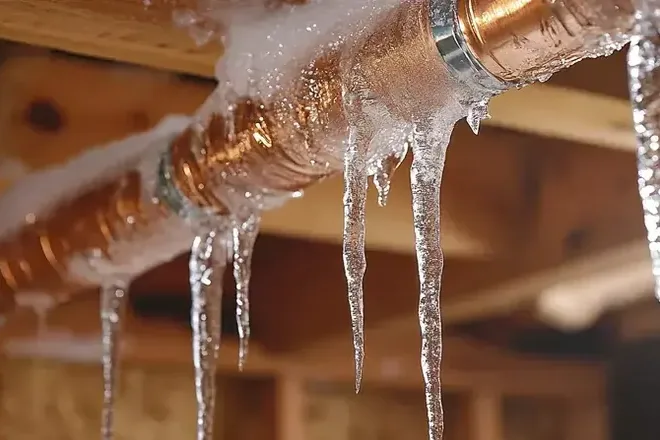 Frozen Pipe Water DamageFrozen pipes split and then flood walls and ceilings as they thaw, so drying follows the wet path.View service
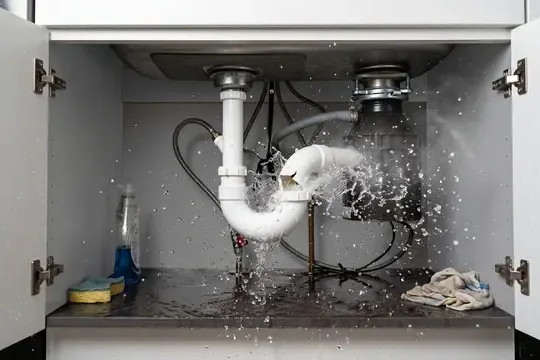 Burst Pipe Water DamageA burst pipe soaks several rooms quickly, so wet framing and floors are mapped and dried.View service
 Ice Dam Water DamageMeltwater trapped behind roof edge ice seeps into ceilings and walls, and those areas get dried out.View service
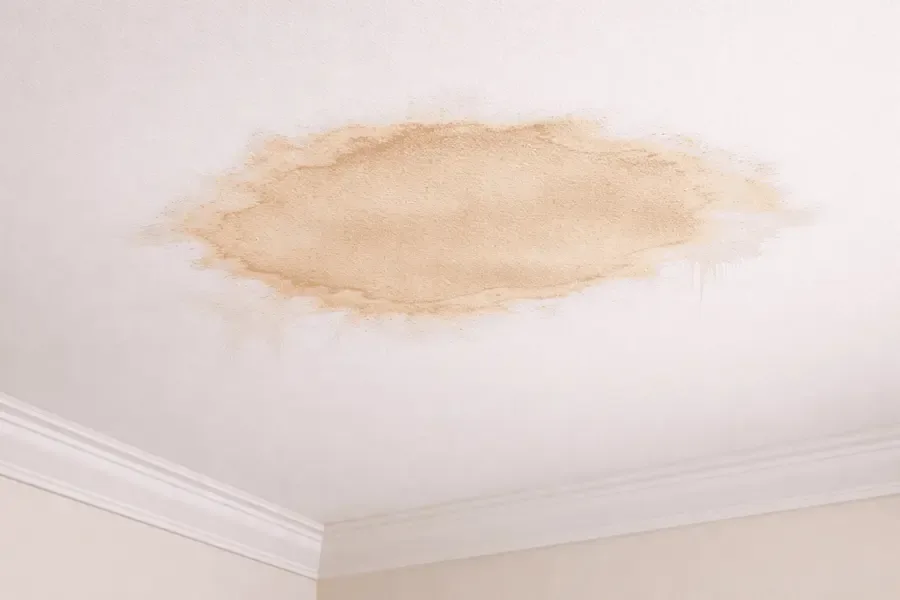 Ceiling Leak Water DamageStained or sagging ceilings are opened where needed so trapped water drains and the cavity above can dry.View service
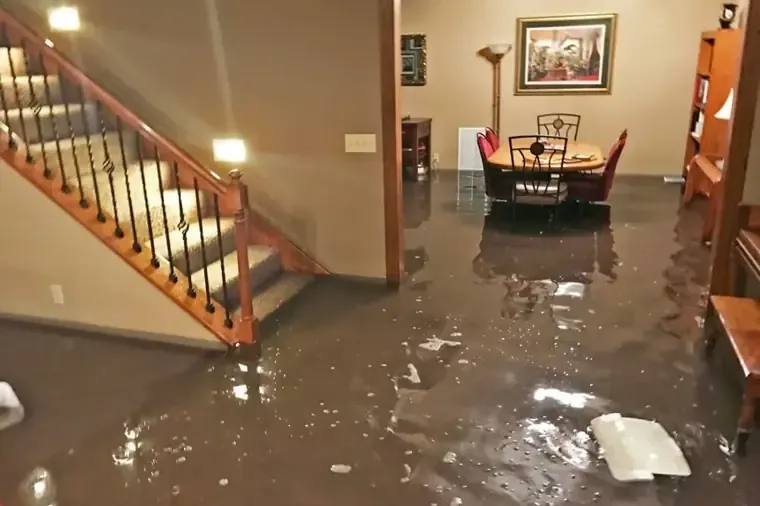 Nor'easter and Storm Flood CleanupNor'easter and heavy rain flooding is pumped out and the affected levels are dried and cleaned.View service
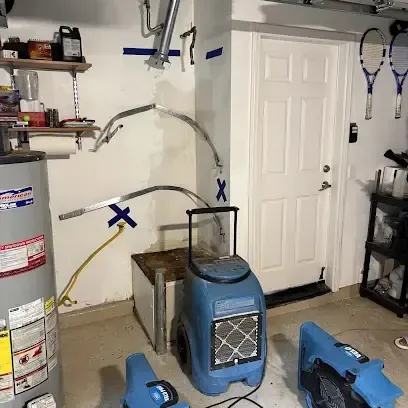
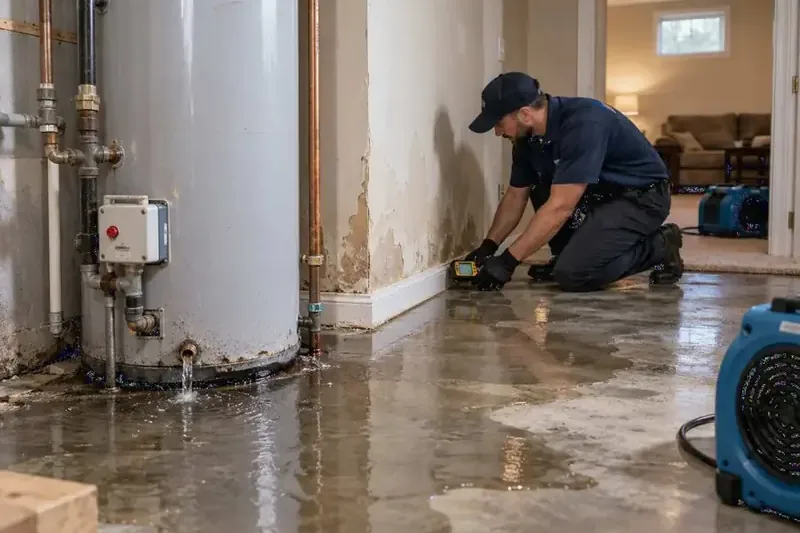 Water Heater Leak CleanupA failed tank floods the floor around it, and cleanup removes that water and dries the area.View service
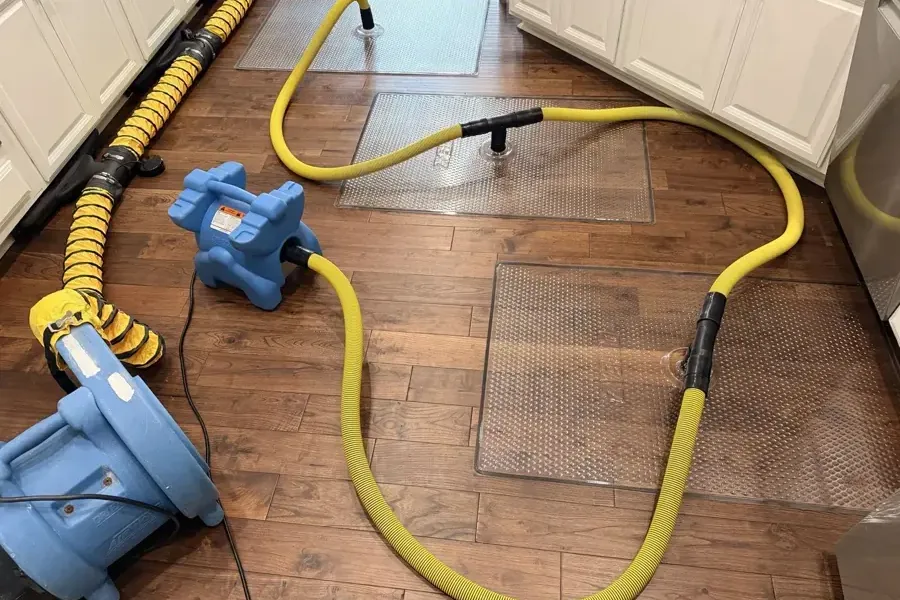 Boiler and Radiator Leak CleanupLeaks from boilers, radiators and heating pipes are dried out, including floors and ceilings below the leak.View service
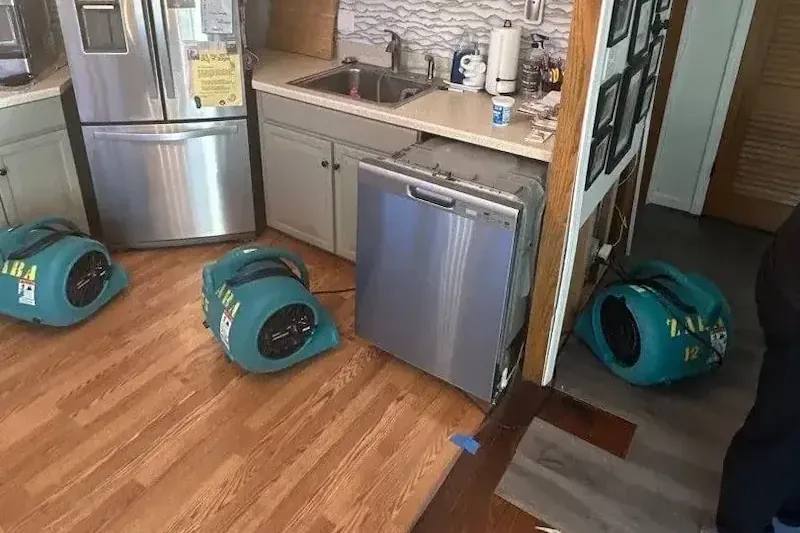 Appliance and Supply Hose LeaksDishwashers, washers and supply hoses leak quietly, and the work traces and dries every wet spot.View service
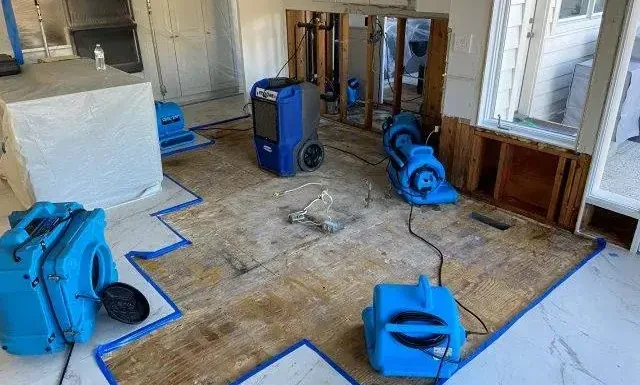 Structural Drying and DehumidificationFans, dehumidifiers and meters bring wet framing and subfloors back to normal moisture levels.View service
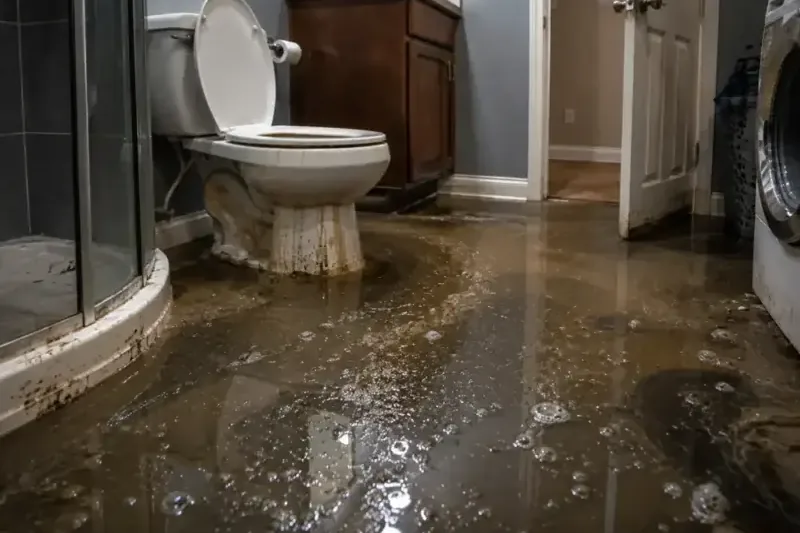 Sewage Backup CleanupBacked up drains put contaminated water on floors, so cleanup removes it and sanitizes the affected area.View service
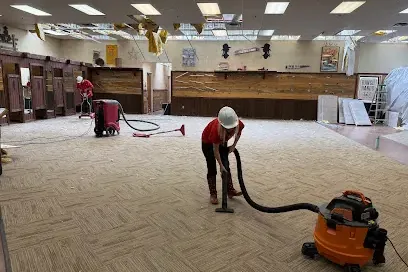 Commercial Water DamageShops, offices and industrial space get extraction and drying scheduled to cut down time out of business.View service
A written record from first reading to final dry
Every job keeps readings, photos and equipment logs in one file, which gives property owners and adjusters a clear account of what was wet, what was removed and when drying finished.
- Moisture readings logged
- Photos at each stage
- Equipment records kept
- 01AssessMoisture meters and a thermal camera show which walls, floors and ceilings hold water, including areas that look dry.Readings and photos taken
- 02ExtractPumps and extractors remove standing water first, because every gallon left behind has to be dried out of the structure later.Water removal noted
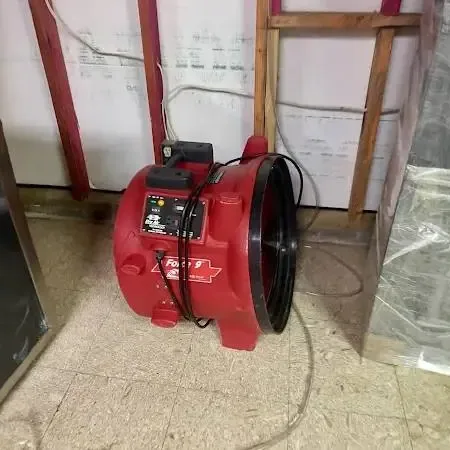
- 03DryAir movers and dehumidifiers run while meters track each wet material, and equipment is adjusted as readings change.Moisture log kept
- 04VerifyA final reading confirms the materials have returned to a normal range before equipment is pulled and the file is closed.Final dry standard met
Pick the situation closest to the problem
Most calls fall into one of three groups, and each group leads to a different first move.
Pipes and plumbing
A split pipe, a failed hose or a leaking tank releases clean water, the easiest kind to dry when handled early.
Burst pipe cleanupRain and flood water
Heavy rain and overwhelmed drains push outside water indoors, carrying soil and debris that need cleaning too.
Storm flood cleanupSewage and drain backups
Backed up drains bring contaminated water indoors, so floors and contents get removed, cleaned and sanitized instead of simply dried.
Sewage backup cleanupHow a water loss plays out
- First call
The crew asks where the water came from and whether sewage is involved, then plans the equipment.
- On site
Standing water comes out, wet materials are sorted into keep or remove, and moisture is mapped.
- Drying days
Fans and dehumidifiers run while readings are checked, and gear shifts as walls and floors dry.
- Sign off
Final readings confirm normal moisture, equipment leaves and repair planning can begin.
Drying goal: materials returned to the normal moisture range for the building, measured with a meter rather than judged by touch or smell.
What does water damage restoration cost in Peabody, MA?
Costs fall into three bands, from a small contained leak to a storm or sewage loss, and the band depends on how much water, how many rooms and how long materials stayed wet.
Small contained leak
$1,200 to $3,500
- One room affected
- Clean water from a known source
- Caught before it spread
Several rooms or a full level
$3,500 to $8,000
- Several rooms wet
- Walls and floors opened
- Longer drying run
Storm, sewage or long standing water
$8,000 to $12,000+
- Contaminated or outside water
- Heavy material removal
- Extended drying
Final pricing comes after moisture readings and a look at the damage, and the mix of extraction, drying equipment and removal work is what moves a job between bands.
Documenting a loss for the adjuster
Insurers often ask for proof of what was wet and when, so a clear record of the damage matters from the first photo onward.
The crew supplies moisture logs, equipment records and dated photos to the property owner, who can pass them to the adjuster, and coverage decisions stay with the insurance company.
- 01Photos of the source, the standing water and each wet room
- 02A list of damaged belongings with rough age and value
- 03The date and time the leak or flooding was first noticed
- 04Moisture readings and equipment logs from the drying crew at every visit
- 05Receipts for emergency repairs, hotel stays, storage and cleanup costs
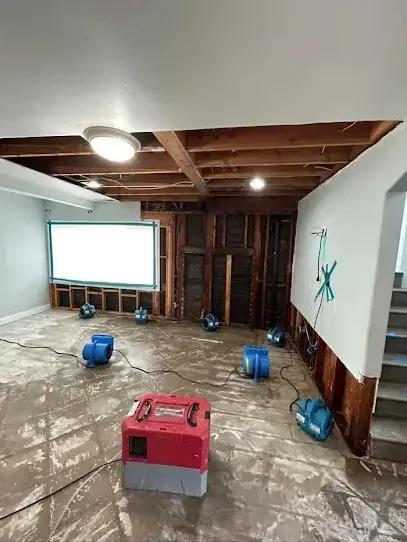
What common water losses look like
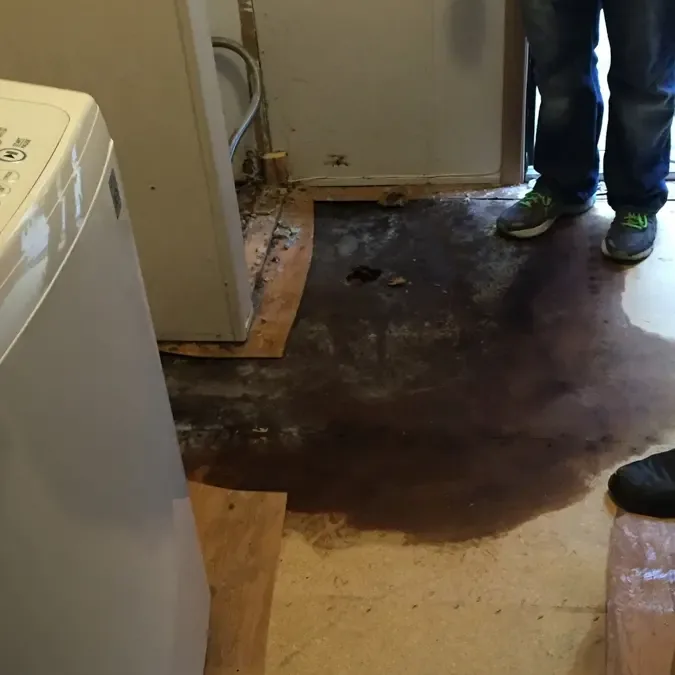
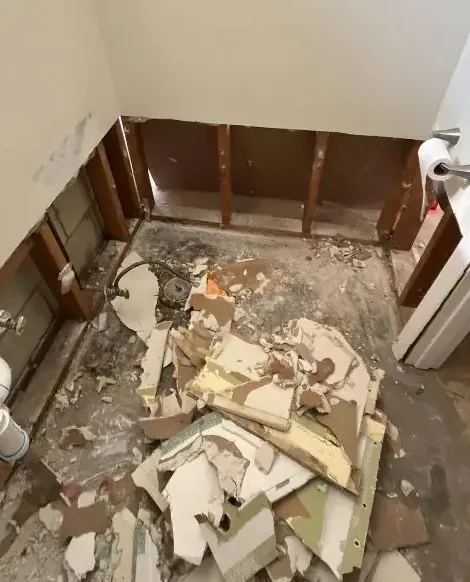
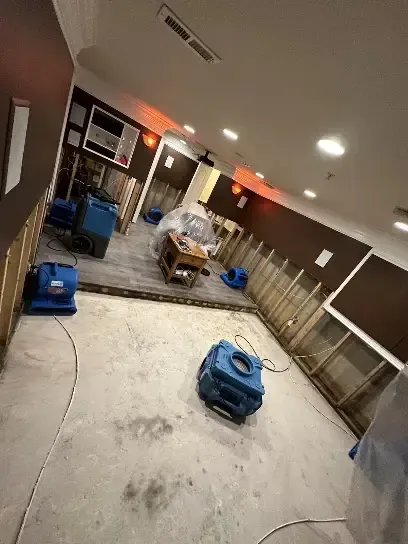
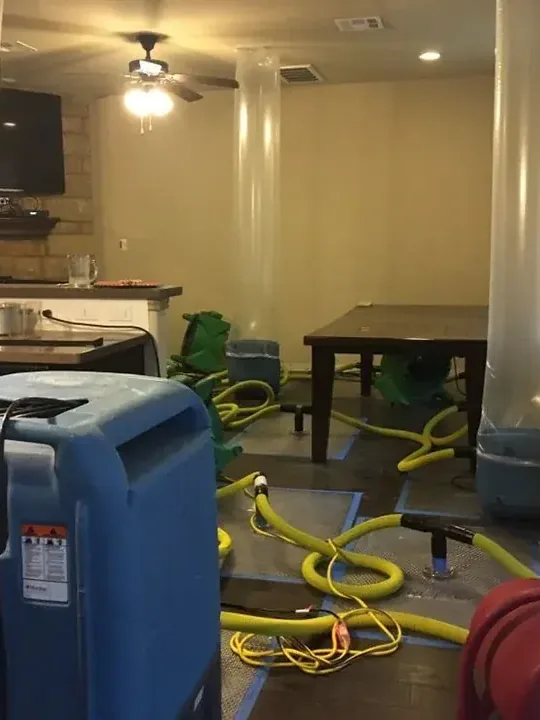
Water damage coverage across Peabody
Water damage calls come from every part of this North Shore city, from 1800s homes in the historic district to residential areas built out after the 1950s.
Crews reach homes and businesses across the city
Calls come in from downtown, South Peabody, West Peabody, the Proctor neighborhood and the business areas around the Northshore Mall and Centennial Park. Houses, apartments and shops all follow the same sequence of extraction, mapping and drying.
- Peabody, MA · Essex County
- (888) 629-3140
- Nights, weekends and holidays included
Downtown streets
- Foster Street
- Walnut Street
- Central Street corridor
Business areas
- Northshore Mall area
- Centennial Park
Residential sections
- West Peabody
- South Peabody
- Proctor
- Washington Street Historic District
Nearby towns
ZIP codes served
Rain, rivers and drainage shape the local risk
Public records point to heavy rain as the city's best documented water problem, with downtown flooding in May 2006 and drainage work along the North River aimed at reducing the frequency of flooding.
- Downtown flooding history: Areas of Peabody Square were notorious for flooding in the decade before 2017, particularly around Foster Street and Walnut Street, and storefront owners have had to pump water out of their shops.
- Drainage and retention work: The Scouting Woods retention pond and upkeep of culverts and catch basins were credited in January 2017 with keeping the city dry, though the mayor said the issues had not ended.
- Rivers and ponds: The Ipswich River borders the northwest, the Waters River drains the northeast, and ponds plus part of Suntaug Lake sit inside the city, so low ground near water can take on runoff.
- Older housing stock: The median home was built around 1966, and the Washington Street Historic District holds 1800s homes, so aging roofs, plumbing and water heaters are a realistic source of leaks.
- Mixed housing types: Only about half of housing units are single unit detached homes, so a leak in one unit can reach the unit below or beside it.
Other named water nearby includes the North River, Spring Pond, Winona Pond, Fountain Pond and Crystal Lake, which add to the ponds and streams that carry runoff through the city.
Water damage questions homeowners ask
Short answers to the questions that come up most when water has gotten into a house, shop or office.
Describe the damage by phoneWhat counts as a water damage emergency?
Any leak or flood that is still adding water, has reached outlets, or has soaked flooring, drywall or insulation counts, because wet materials weaken fast and the damage keeps spreading until the source is stopped. Calling early keeps the loss small.
Does the work include sewage backups?
Yes. Sewage is handled as contaminated water, with protective gear, removal of porous materials and sanitizing, and the steps are laid out on the sewage backup cleanup page.
How is the amount of drying equipment decided?
Moisture meters and thermal imaging show which materials hold water, and the number of air movers and dehumidifiers follows the size of the wet area and the material type, not a fixed package.
Is storm water different from a plumbing leak?
Yes. Pipe water starts out clean, while storm water carries soil and bacteria, which changes what can be dried in place and what must be removed. See storm flood cleanup for details.
Are businesses handled the same way as homes?
The sequence is the same, extraction then mapping then drying, but scheduling is planned around opening hours and tenants. The commercial water damage page covers shops, offices and industrial space.
Do walls and floors always have to be torn out after a leak?
No. Clean water caught early often dries in place, while sewage, long standing water and swollen materials usually have to come out, and meter readings settle which case applies room by room.
How does heavy rain end up inside a building?
The May 2006 downtown flood showed how rain can overload streets and drains, and the same pressure pushes water under doors, through window wells and up from floor drains into lower levels.
What should be done if water is near outlets?
Stay clear of the outlet and the wet floor around it, and have an electrician make the area safe before the circuit is used, because water and power together create a shock risk.
How soon can mold start after a leak?
Mold can begin growing on wet materials within 24 to 48 hours, which is why drying starts as soon as the water source is stopped and the standing water is out.
Does drying equipment need power from the building?
Yes. Air movers and dehumidifiers run on the building's own electrical supply, which in this city comes from the Peabody Municipal Light Plant, so drying continues as long as the power stays on.
Water is still spreading, so the next step is a call
Extraction, moisture mapping and drying begin with one call, and the sooner materials are dry, the more of the structure can stay.