Water Restoration Manchester-by-the-Sea, MA
Harbor tides, Sawmill Brook runoff and older pipes put water inside homes across this Cape Ann town. A crew pumps out the water, dries the structure and documents everything for the insurance claim from the first visit.
(888) 629-3140Call now about the flooding- Tidal flooding
- Wet basements
- Burst pipes
- Sewage backups
What to do when water gets into a house
These moves protect people and belongings while the crew heads to the property, and they keep the claim cleaner later.
- 1
Stop the source
Shut the supply at the house shutoff, or stop the leaking appliance, so no more water enters the structure.
- 2
Cut the power
Switch off breakers serving wet rooms, and stay out of standing water near outlets, cords or a basement panel.
- 3
Lift what can move
Raise rugs, furniture legs and boxes onto foil or blocks, and carry small valuables and papers to a dry floor above.
- 4
Photograph everything
Take wide and close photos of the damage, the source and each ruined item before anything is moved or thrown out.
- 5
Call for help
Reach the crew early, since wet drywall, carpet pad and framing keep absorbing moisture the longer they sit.
Wet materials left in place can turn into a bigger job fast, and the full cleanup process shows what each stage involves, from extraction to final moisture checks.
Water and sewage services for local homes
Each service page below covers one kind of loss, from tidal flooding to a cracked pipe, and the work always stays on water and sewage.
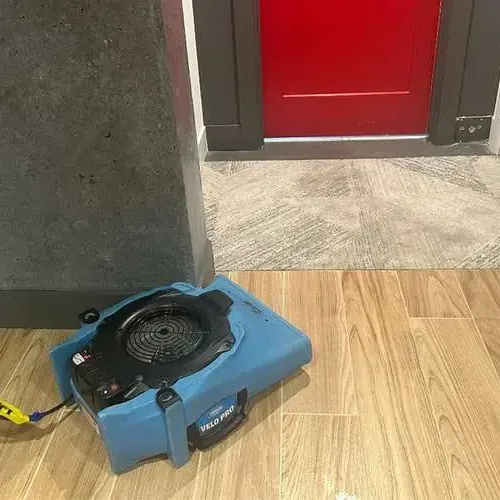
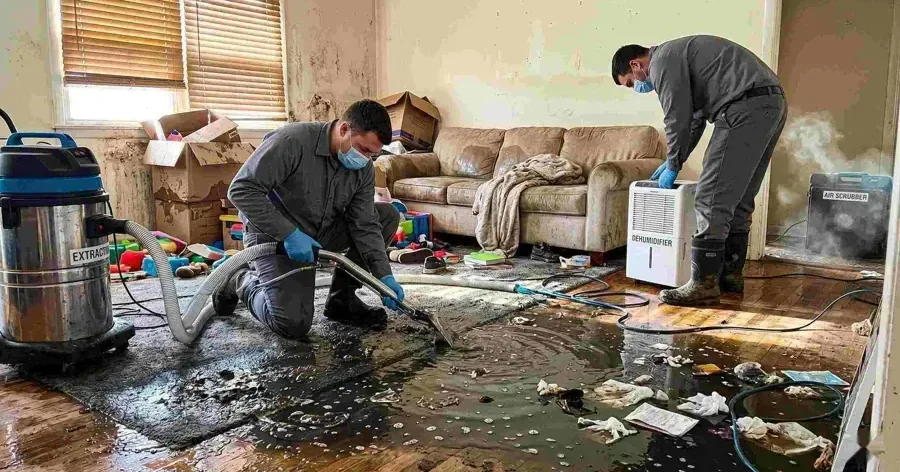 Water Extraction and RemovalPumps and extractors clear standing water from floors and carpet after tidal, brook or plumbing floods.View service
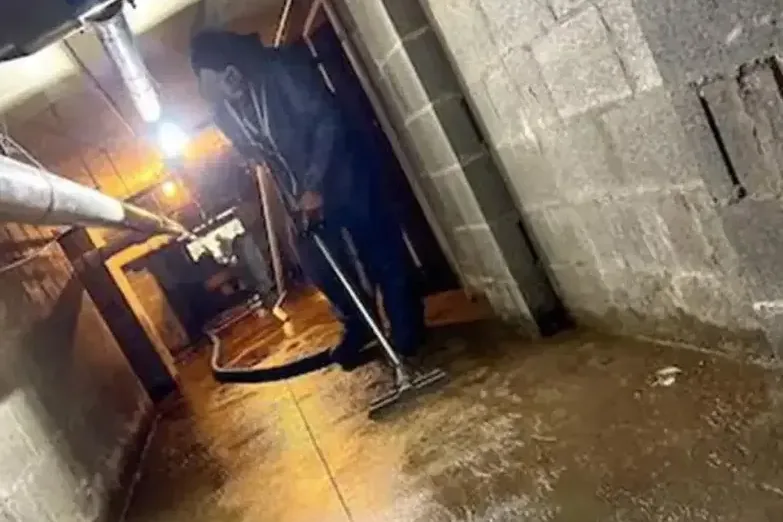 Basement Flooding CleanupWet basements get pumped, stripped of ruined finishes and dried, especially where runoff pushes toward low rooms.View service
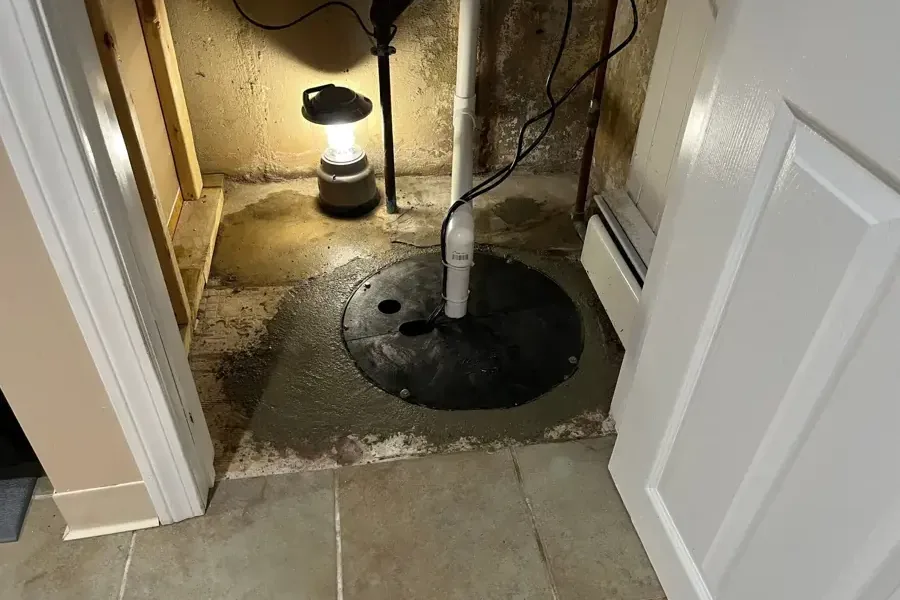 Sump Pump Failure CleanupWhen a sump pump quits during heavy rain, the crew clears the overflow and dries the floor.View service
 Frozen Pipe Water DamageA pipe split by winter cold gets its water stopped, wet walls opened and the area dried.View service
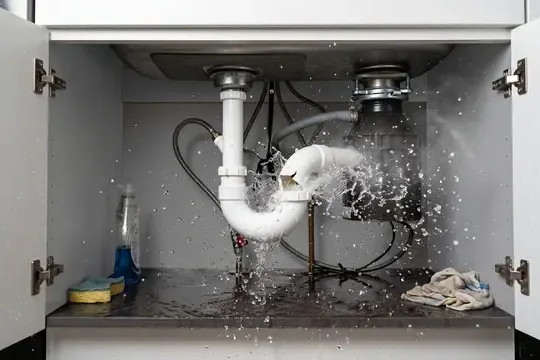 Burst Pipe Water DamageSudden pipe failures flood fast, so the crew limits the spread, extracts the water and checks hidden cavities.View service
 Ice Dam Water DamageMeltwater backed up behind roof ice soaks ceilings and insulation, then gets dried from the top down.View service
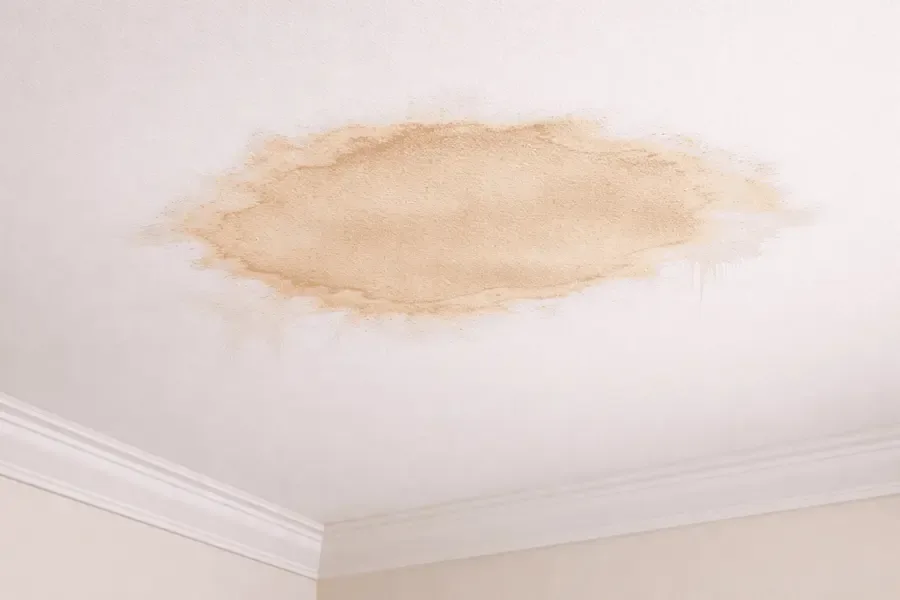 Ceiling Leak Water DamageSagging ceilings are opened, drained and dried before wet plaster or drywall damages the rooms below.View service
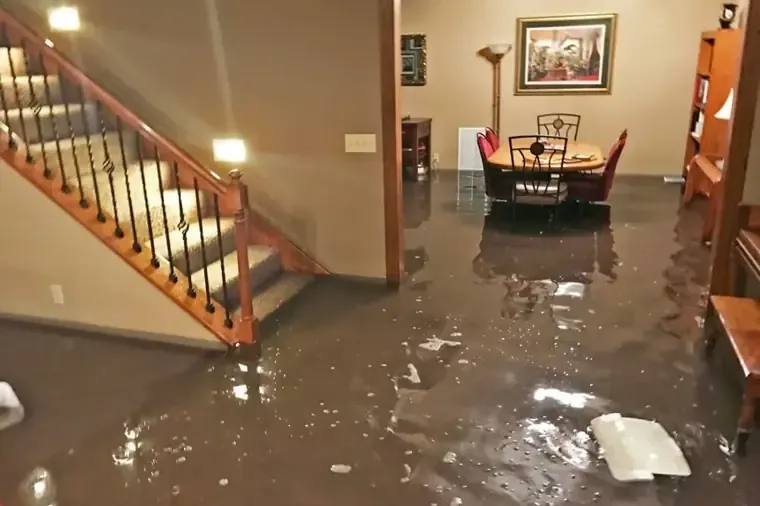 Nor'easter and Storm Flood CleanupNor'easters and brook overflow bring floodwater inside, and the crew removes it and dries what it touched.View service
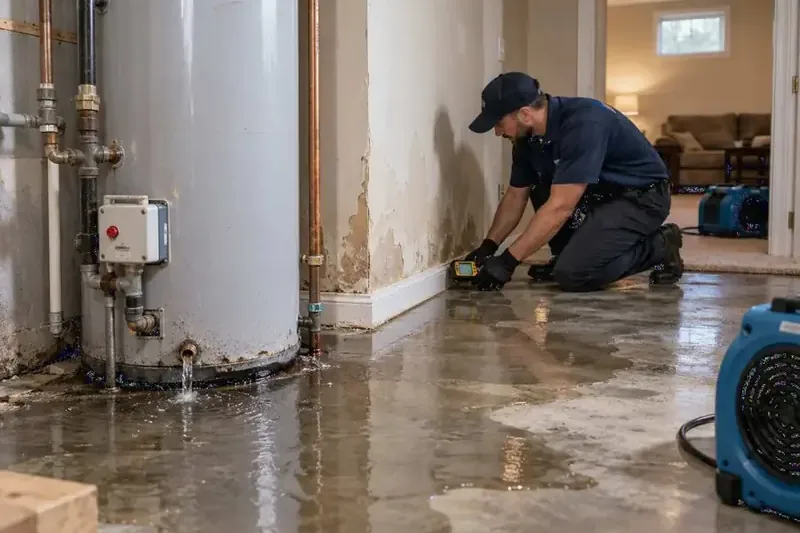 Water Heater Leak CleanupA failed tank or loose fitting can spill a lot of water, which the crew extracts before drying the floor.View service
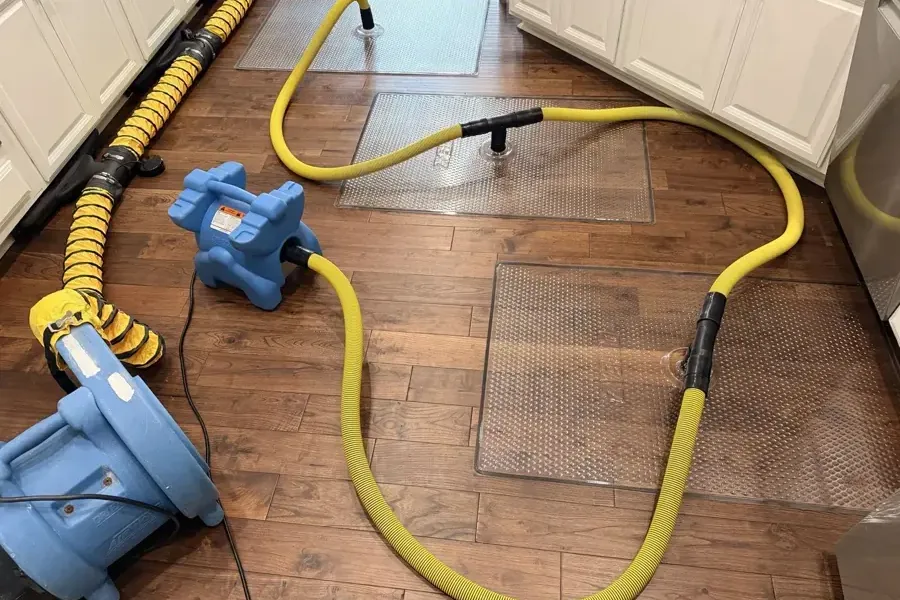 Boiler and Radiator Leak CleanupLeaking radiators and boiler fittings soak floors and ceilings below, and both get dried out.View service
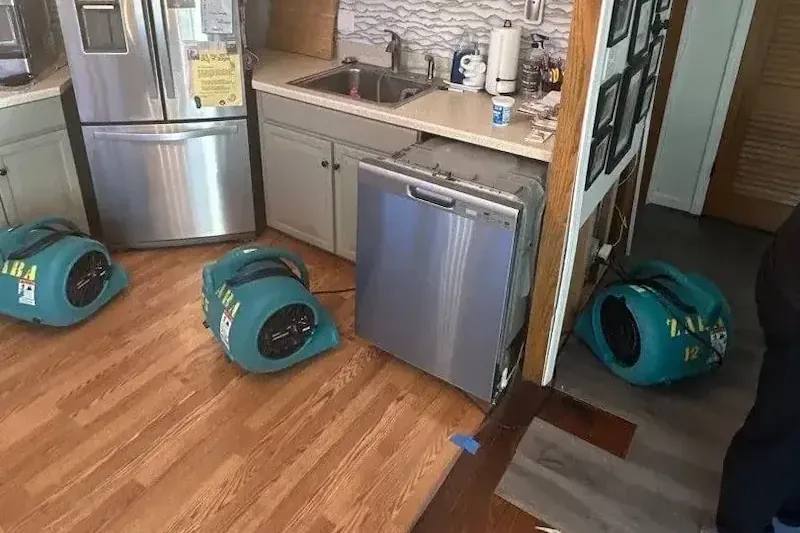 Appliance and Supply Hose LeaksWashers, dishwashers and refrigerator hoses leak into cabinets and floors, and the crew traces and dries the spread.View service
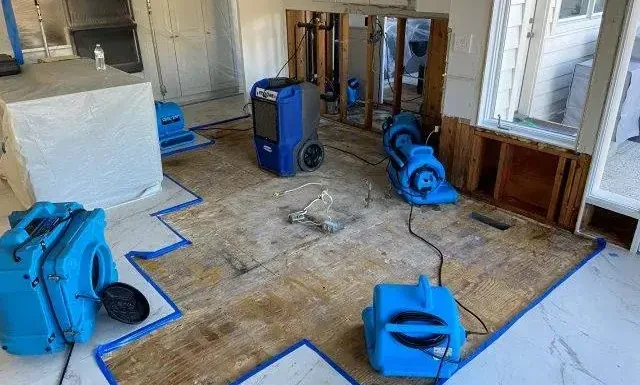 Structural Drying and DehumidificationFans, dehumidifiers and moisture readings bring framing, subfloors and wall cavities back to normal levels.View service
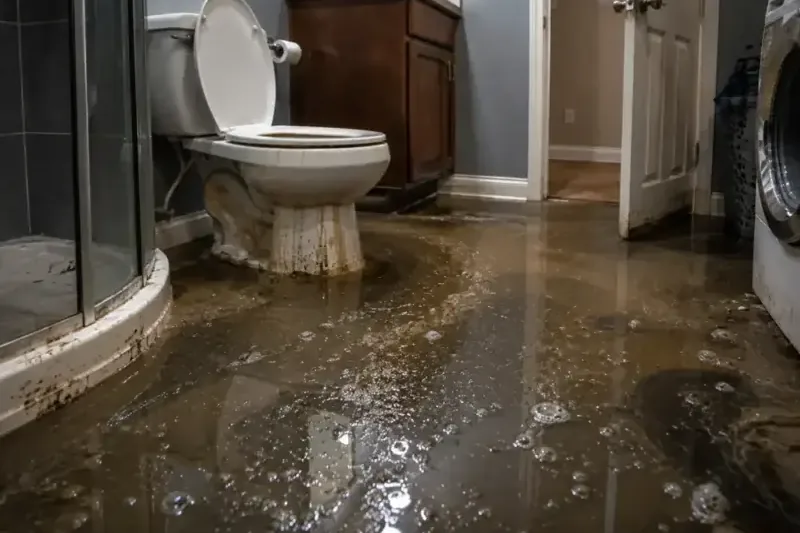 Sewage Backup CleanupSewage backing up through a drain is removed, the area is sanitized and contaminated materials are taken out.View service
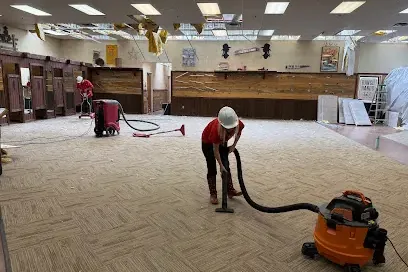 Commercial Water DamageShops and offices get water removed and structure dried in stages that limit downtime for the business.View service
A written record of every stage of the job
Every job follows a set order, and notes, photos and moisture readings are logged so an adjuster can follow the work from the first walkthrough to the final dry check.
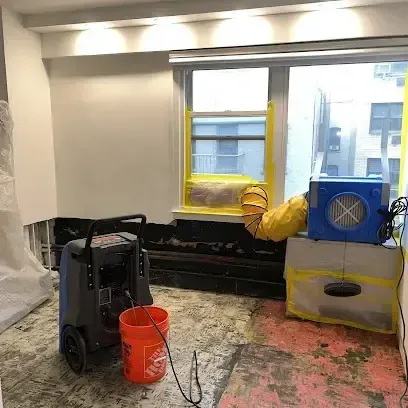
- Photos at each stage
- Moisture readings logged
- Itemized scope of work
- 01InspectThe crew finds the source, maps wet areas with meters and a thermal camera, and notes the water category.Moisture map and photos
- 02ExtractPumps and extractors remove standing water first, then wet carpet pad and ruined materials are removed and bagged.Disposal and equipment log
- 03DryAir movers and dehumidifiers run while daily readings show whether framing, subfloors and wall cavities are trending dry.Daily readings sheet
- 04VerifyFinal readings are compared against unaffected materials of the same type, and equipment comes out only after the target is met.Final dry report
Which kind of water is involved
Water arrives from three kinds of sources, and the source decides how the cleanup is handled.
Clean supply water
A split pipe, supply hose or water heater releases clean water, which is the easiest to dry if it is caught early.
See burst pipe damageRain and brook water
Overflow from a failing pump, a swollen brook or a tidal surge carries silt and bacteria into the building.
See sump pump damageSewage backups
Contaminated water from a drain is a health hazard, and porous materials it touches are normally removed.
See sewage backup cleanupWhat happens as the days pass
- First visit
Standing water is pumped out, the source is controlled and unsalvageable materials are removed.
- Early drying
Air movers and dehumidifiers go in, and the first moisture readings set the targets for the job.
- Mid job
Readings are repeated daily, equipment is moved to wet spots, and cavities that stay damp may be opened.
- Sign off
Readings match dry reference materials, the equipment is removed and the records go into the claim file.
Drying goal: Bring wet materials back to normal moisture levels before mold can start, which is the 24 to 48 hour window after a loss.
What does water restoration cost in Manchester-by-the-Sea, MA?
Most jobs fall between $600 and $7,000 depending on how far the water spread, how long it sat and which materials got wet. The three ranges below cover small spills to whole floors.
Small area, clean water
$600 to $1,500
- Clean water source only
- A few fans and one dehumidifier
- Single room extraction pass
Several rooms
$1,500 to $3,500
- Several rooms extracted
- Wet carpet pad removed
- Larger drying setup needed
Whole floor or basement
$3,500 to $7,000
- Pumping and heavy extraction
- Wet drywall and trim cut out
- Drying equipment on site longer
Final cost depends on measured moisture, the water category and what must be removed, and a written scope is reviewed before work grows. Details sit on the water extraction page.
Records that support the claim
Adjusters review the loss from the documents, so the crew builds a file while the work is under way and shares it with the homeowner.
Coverage varies by policy, and many policies treat sudden pipe breaks differently from rising floodwater, so the policy wording is worth reading early. The crew documents the loss, and the adjuster decides what is covered.
- 01Dated photos of the source, the damage and each ruined item
- 02A moisture map showing which rooms and materials were wet
- 03Daily drying logs with readings, equipment counts and notes
- 04An itemized list of removed materials and why each one went
- 05Water category recorded as clean, gray or black at the start
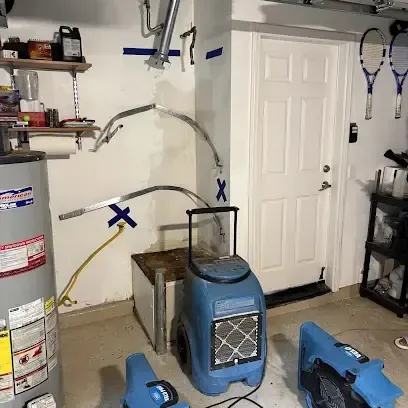
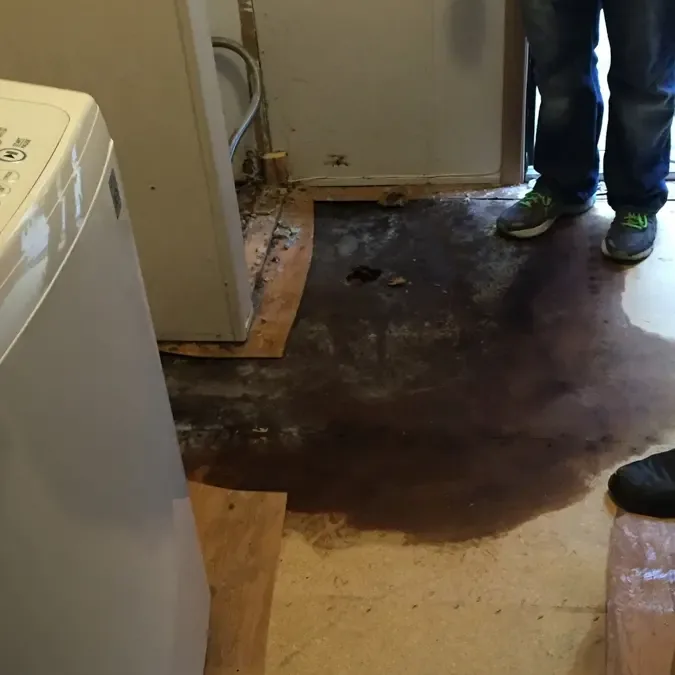
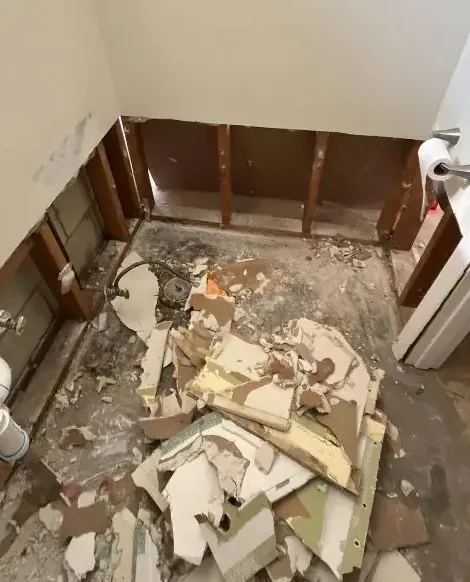
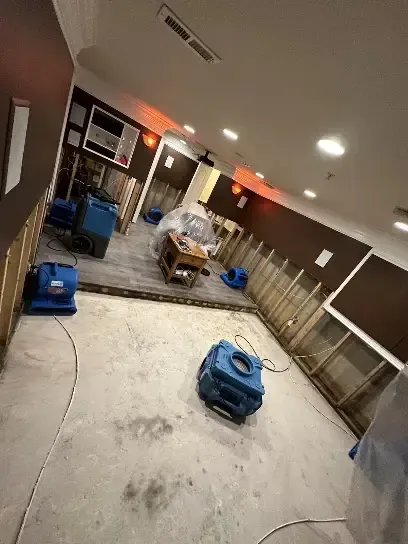
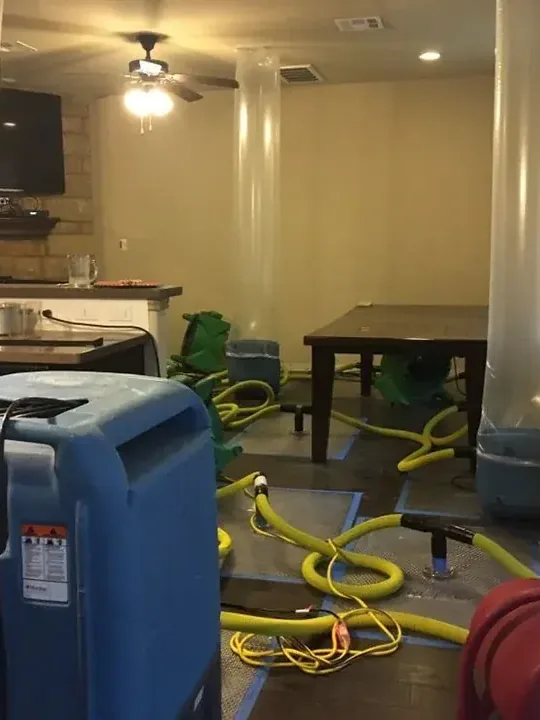
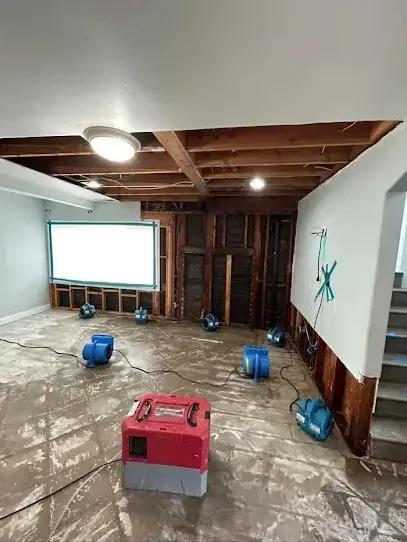
Equipment and damage seen on water jobs
Service across Manchester-by-the-Sea, MA
Crews work in every part of town, from the harbor shoreline and Downtown to the flood-prone streets near the brooks and the Route 128 corridor.
How far the crew reaches in town
Route 128 has two exits in town and Route 127 runs west to east through the center, so trucks and equipment can reach the shoreline, Downtown and the area around the commuter rail station from either side of the center.
- Manchester-by-the-Sea, MA · Essex County
- (888) 629-3140
- Nights, weekends and holidays included
Harbor and shoreline
- Downtown
- Tucks Point
- Proctor Point
- Coolidge Point
Brook flood streets
- Norwood Avenue
- Brook Street
- School Street
- Blue Heron Lane
More streets served
- Atwater Avenue
- Forest Lane
- Putnam Court
- Limited Commercial District
Nearby towns
ZIP code served
Why water reaches homes in Manchester-by-the-Sea
Water makes up nearly half of the town's total area, and the Sawmill Brook watershed covers two-thirds of the town, so tides, storms and runoff all test basements and first floors, as the storm flood page explains.
- Mother's Day Flood: In May 2006, 6 feet of water covered roads beside Sawmill Brook, the School Street bridge washed out, 150 homes were damaged and Route 127 became impassable.
- Central Street tide gate: The Central Street culvert, tide gate and seawall are described as particularly problematic in large storms, backing water up into Sawmill Brook. A replacement is planned but not yet built.
- Repetitive flood losses: The town has 19 repetitive flood loss structures, which logged 44 losses between 1978 and 2015, and most sit in mapped flood zones.
- Coastal storm history: The Blizzard of 1978 destroyed the Singing Beach seawall, and the October 1991 Perfect Storm nor'easter washed out many coastal roads. The April 2007 Patriots' Day Storm brought the worst coastal flooding.
- Aging water and sewer pipes: About 80% of the town's water and sewer pipes are 50 years or older, and the Department of Public Works runs both systems.
Local waters that matter after storms include the harbor, Sawmill Brook, Bennetts Brook, Chubb Creek, Causeway Brook, Central Pond, Dexter Pond, Cedar Swamp, Singing Beach and Graves Beach.
Water damage questions from local homeowners
These answers cover the questions homeowners ask most after harbor flooding, pipe failures and sewage problems in town.
Ask a crew directlyWhat should be done first after a flood?
Stop the source if it is safe, switch off power to wet areas, and call a restoration crew. Photograph the damage before anything is moved, and avoid tossing wet items until they have been documented.
How fast does mold start after water damage?
Mold can begin to grow within 24 to 48 hours on wet drywall, wood and fabric, which is why extraction and drying start as early as possible and wet materials should not sit.
Why do Downtown and low streets flood during storms?
Downtown sits in the Sawmill Brook watershed beside a tidal harbor, so a high tide combined with heavy rain can push water into streets and low buildings. The 2006 Mother's Day Flood showed how far brook water can travel.
Does the crew work with insurance adjusters?
The crew documents the loss with photos, moisture readings and itemized scopes so the adjuster has what is needed to review the claim. Coverage decisions stay with the insurance company and the policyholder.
Is a wet basement an emergency?
A wet basement is urgent, as the basement flooding page explains, because standing water soaks drywall, stored items and framing and can reach electrical panels. Pumping should begin without waiting for water to drain naturally.
What happens when a sump pump fails during a storm?
The pit overflows onto the floor, and water keeps arriving while the pump is down. The crew extracts the water, checks the pump area and dries the basement afterward. Backup power or a battery unit is worth discussing.
Are sewage backups treated differently?
Yes. Sewage is a health hazard, so crews wear protective gear, remove porous materials the water touched and sanitize hard surfaces before any drying equipment is set. Details are on the sewage backup page.
Do bigger houses take longer to dry?
Over 45% of houses here have 8 or more rooms, so a leak from an upper floor can reach many rooms. Drying time depends on moisture readings, not on a fixed schedule.
Can commercial buildings get water damage service?
Yes. Downtown shops and offices, including older buildings in the historic district, can be dried in stages so the business can reopen sooner. See commercial water damage for details.
How much will the work cost?
Cost follows the size of the affected area, the type of water and the materials involved, and a written scope sets the price before work grows. The ranges above show typical bands.
Water in the house needs a crew, not a wait
Call now, any hour, and a crew will talk through the damage, the safest first steps and what the drying work involves.