Basement Flooding Cleanup in Beverly, MA
Groundwater, storm runoff and failed fixtures all end up in the basement. The restoration team pumps it out, moves stored contents and dries stone, block and poured walls in Beverly homes, 24/7.
(888) 629-3140Get the basement pumped out and dried- Pump-out and extraction
- Stone wall drying plans
- Daily moisture logs
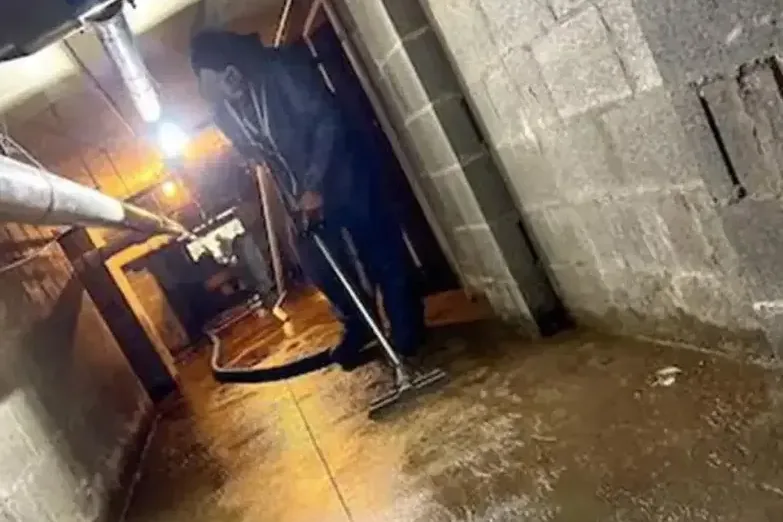
What to do first about basement flooding cleanup
- 1
Stay out of deep water
Do not wade into water near the boiler, panel or outlets.
- 2
Shut off power
Kill basement circuits only from a dry, safe panel.
- 3
Lift what you can
Move boxes and electronics to the first floor.
- 4
Photograph the level
Shoot the waterline on walls and stored items.
How basement flooding cleanup is handled, step by step
Each step follows the IICRC S500 drying standard, and the right-hand column is the record that step leaves in the claim file.
- 01SourceGroundwater, runoff or plumbing decides the category.Moisture map with the category and class
- 02PumpStanding water pumped out, the rest extracted.Timestamped photos before anything is removed
- 03OpenWet finishes cut or removed where readings demand it.Daily psychrometric and moisture log
- 04DryLGR units run until walls and framing pass.Final readings against a dry reference
What does basement flooding cleanup cost in Beverly, MA?
Basement flooding cleanup here typically runs $2,000 to $12,000. The depth of water, whether the space is finished, the water category and how fast drying started decide where a job lands, and storm water costs more than a clean leak.
Unfinished, clean water
$2,000 to $4,000
- Pump-out and extraction
- Contents moved
- Dehumidification
Finished basement
$4,000 to $8,000
- Carpet and pad removal
- Lower drywall cut
- Cavity drying
Storm or groundwater
$8,000 to $12,000+
- Category 3 handling
- Porous finishes removed
- Antimicrobial treatment
These are typical ranges, never a quote. The category of water, the square footage, the material class and how fast drying started move the number most. The water damage cost calculator gives a closer planning range.
A basement is where water from every other problem ends up: a nor'easter's runoff, a high water table in March, a split pipe upstairs or a water heater that let go. Older foundations here add a twist, because fieldstone and granite walls pass moisture in both directions and never read like drywall.
First, find out where the water came in
The walkthrough tech checks the source before setting anything. Water through the walls or up through the floor points to groundwater; water at a window well or bulkhead points to runoff; water spreading from one spot points to plumbing. Storm water and groundwater are treated as Category 3, since they carry soil and whatever was on the ground.
- Pump-out of standing water and extraction of what is left
- Stored boxes, rugs and furniture moved to dry ground
- Finished drywall and carpet opened or removed where readings demand it
- Sump pit and floor drain checked before drying starts
Drying stone, block and poured walls
Poured concrete and block give up water steadily under LGR dehumidifiers. Fieldstone and old mortar are slower and can draw groundwater back in, so the drying team works the room air and the finished materials first and logs the walls daily. A finished basement with framed walls often needs the bottom of the drywall cut to dry the cavity behind it.
Water still coming up through the floor or walls? Stored boxes keep wicking it up.
Pump the basement before it climbsKeeping the next storm out
Once the space is dry, the crew notes what let the water in: a low window well, a downspout emptying at the foundation or a sump pump that failed. For a rough schedule, the drying time estimator covers basements and stone walls.
Watch the boiler and the panel
Basements here usually hold the boiler, the water heater and the electrical panel. Stay out of water that touches any of them until power is off at a dry panel or the utility shuts it off.
Basement flooding cleanup across Beverly and nearby
The restoration team covers ZIP 01915 end to end, from Downtown, Goat Hill and the Cove to Montserrat, Centerville, Ryal Side and the north side, out along Hale Street to the Farms and Prides Crossing.
Nearby work reaches Danvers, Salem, Peabody, Wenham, Hamilton, Manchester-by-the-Sea, Marblehead and Lynn.
Related water damage services
Basement Flooding Cleanup questions, answered
What owners ask most about basement flooding cleanup, from drying time to the claim file.
Ask the drying team by phoneWhy does basement flooding keep happening in older homes?
Fieldstone and granite foundations have no membrane, so they pass groundwater during long rains and spring snowmelt. Downspouts that empty at the wall and low window wells add runoff on top of it.
Is basement flood water dangerous?
Groundwater and storm runoff are treated as Category 3 because they carry soil, bacteria and whatever was on the ground. Water from a clean pipe starts as Category 1 but degrades if it sits.
Can a finished basement be saved?
Often in part. Carpet pad and the bottom of the drywall usually come out, while framing, subfloor and many cabinets dry in place once the cavity is opened and dehumidified.
How long does it take to dry a flooded basement?
Poured and block basements usually dry in three to seven days. Fieldstone walls and finished spaces with insulation behind the drywall take longer, and readings decide when equipment leaves.
Does homeowners insurance pay for basement flooding?
Water from a burst pipe or failed appliance is often treated differently from groundwater or surface flooding, which usually needs flood coverage. Coverage depends on your policy, so check it with your own insurer.
Should the water heater and boiler be checked after a basement flood?
Yes. Any gas, oil or electric appliance that sat in water should be checked by a qualified technician before it runs again.
Basement under water? Get it pumped out and dried right.
The restoration team pumps, extracts and dries stone, block and poured basements, logging every reading. Dispatch runs 24/7.