Water Damage Restoration Danvers, MA
Flash floods along Route 1, groundwater that seeps into basements when the soil is saturated and pipes that crack in a hard freeze all send water where it does not belong. Crews extract it and dry to the IICRC S500 standard, 24/7.
(888) 629-3140Stop the seepage before it reaches finished rooms- Crews dispatched 24/7
- IICRC S500 drying
- Basement pump-out
- Daily moisture records
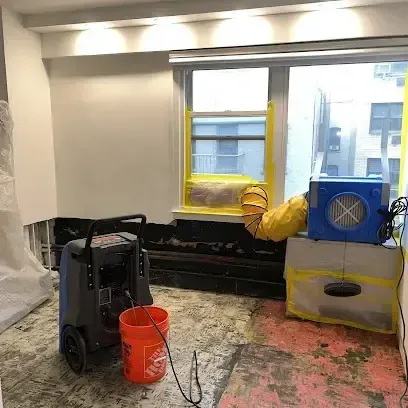
Five things to do while the water is still rising
The first hour shapes the whole job, because water keeps moving into floors and walls until someone pulls it out.
- 1
Find the main shutoff
Close the main valve, usually in the basement where the service pipe comes through the foundation wall.
- 2
Make wet rooms safe
From a dry breaker panel, switch off the circuits that feed any room with standing water.
- 3
Stay out of deep water
Keep away from water near outlets, extension cords, the furnace and the water heater.
- 4
Take photos first
Shoot wide views and close-ups of every wet room before anything is moved or thrown away.
- 5
Raise belongings, then call
Get furniture, rugs and stored boxes off wet floors, then call. Mold can start within 24 to 48 hours.
If the sump pump has stopped, keep its discharge pointed at the lawn or a storm drain once it runs again, since the town bans sump water in the sewer.
Water Damage Restoration Services in Danvers, MA
From an ice-maker tube under the kitchen to a basement full of storm runoff, every service here runs from the first pump-out to the last dry reading.
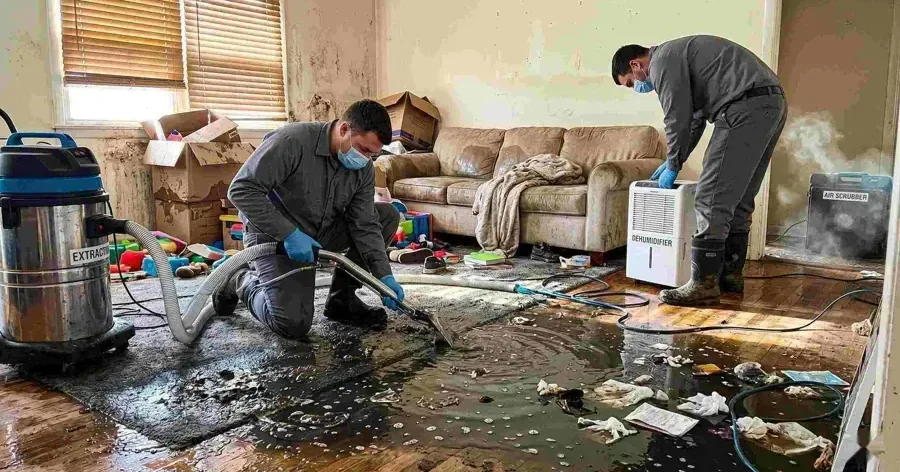 Water Extraction and RemovalStanding water pulled from carpet, hardwood and basement concrete with truck-mounted units before it soaks in.View service
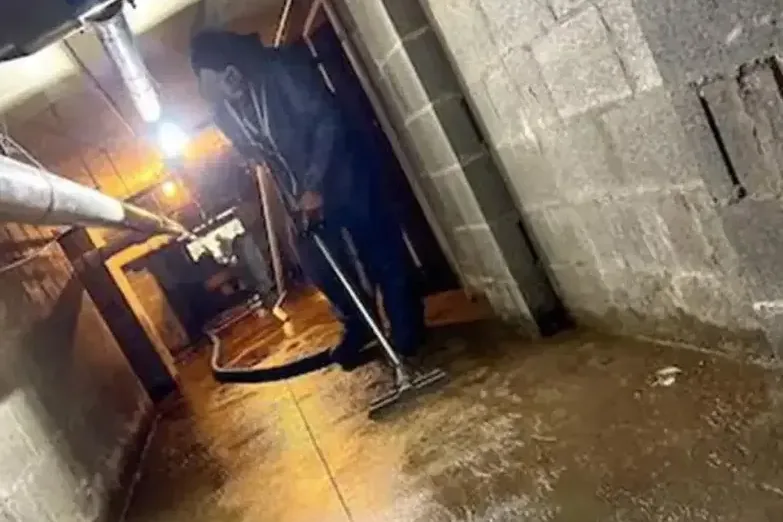 Basement Flooding CleanupSeepage and storm water pumped from basements, stored contents moved and walls and floors dried.View service
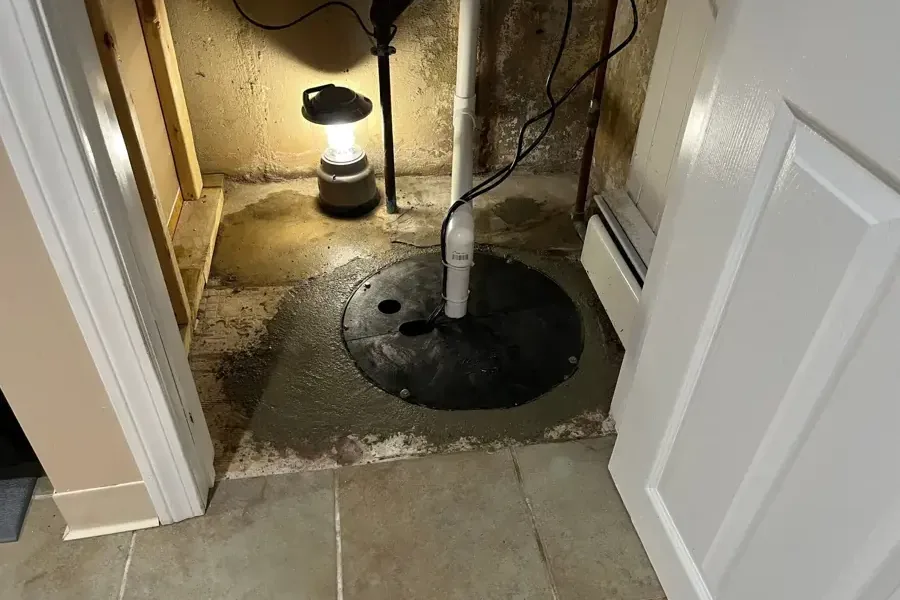 Sump Pump Failure CleanupOverflow from a stalled pump or a stuck float extracted and the basement dried to the readings.View service
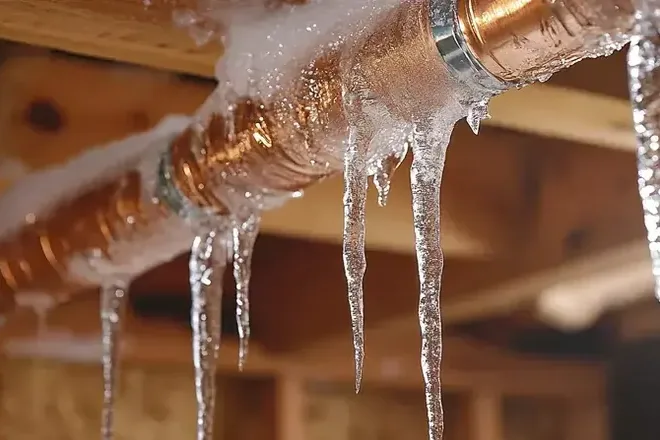 Frozen Pipe Water DamagePipes that split in cold walls, garages and porches traced, opened and dried after the thaw.View service
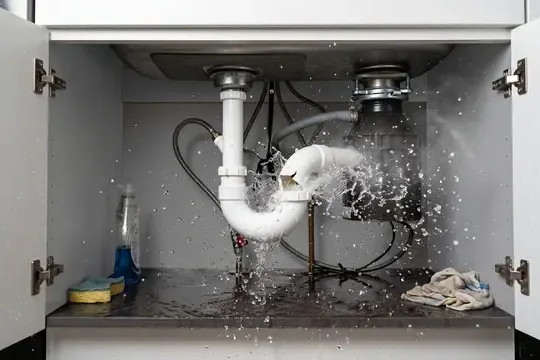 Burst Pipe Water DamageSupply pipe failures inside walls and ceilings found with meters, extracted and the cavities dried.View service
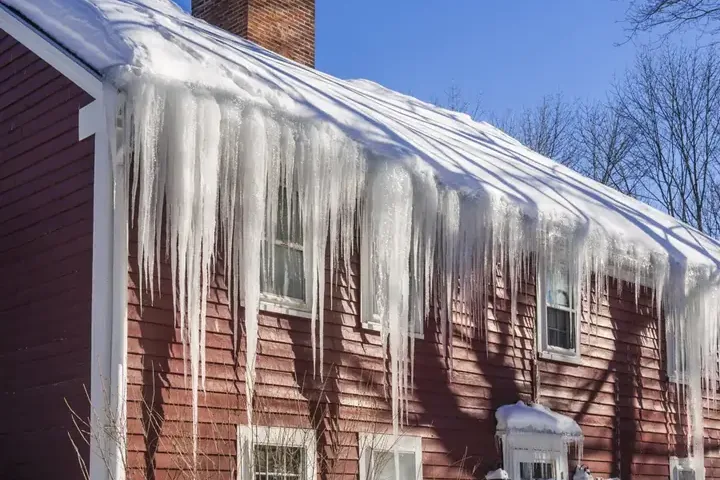 Ice Dam Water DamageSnowmelt that backs up under shingles followed into attic insulation, top-floor walls and ceilings.View service
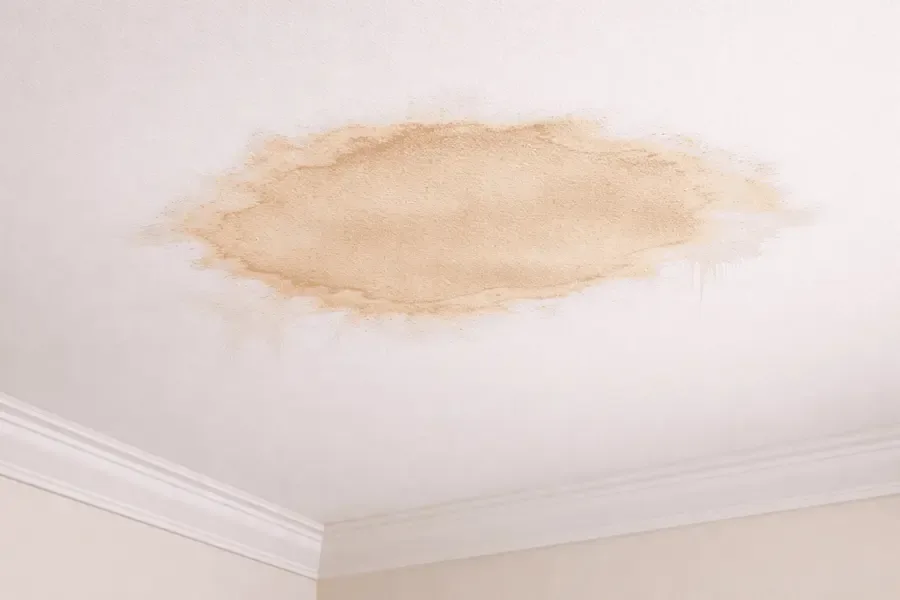 Ceiling Leak Water DamageLeaks from baths, appliances and units above opened at the right spot and the joist bays dried.View service
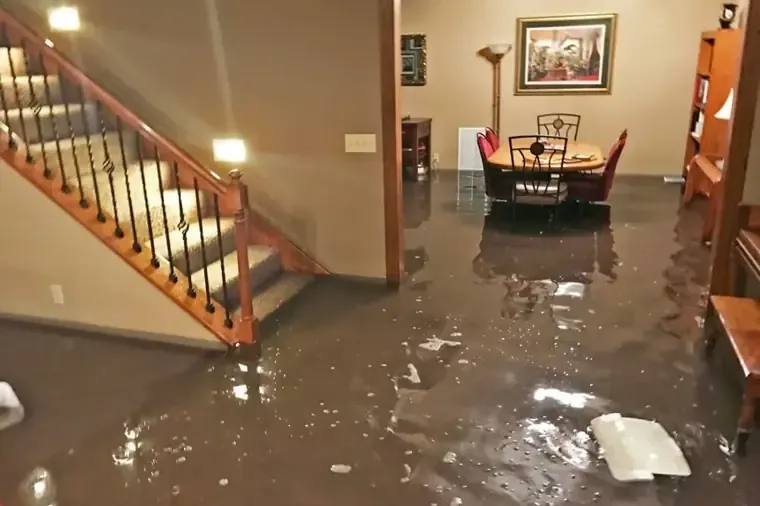 Nor'easter and Storm Flood CleanupFlash flood and storm water removed as Category 3, soaked finishes cleared and the structure dried.View service
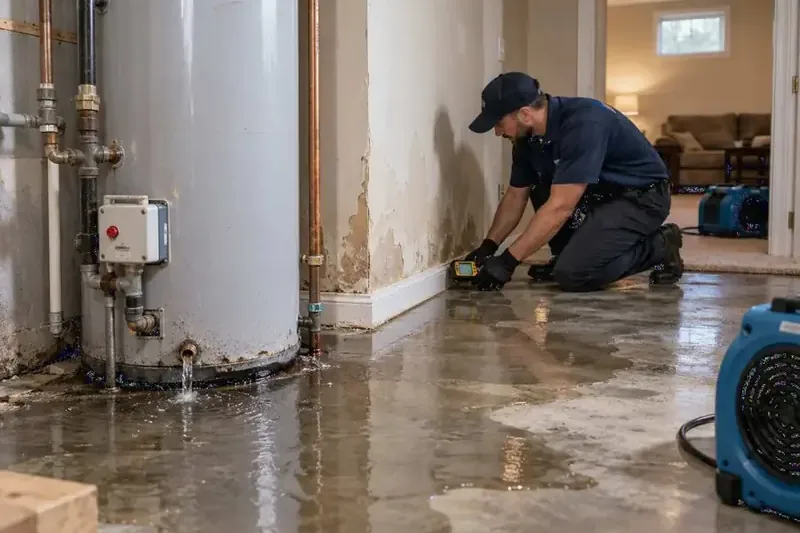 Water Heater Leak CleanupTank, valve and fitting failures extracted before the water reaches boxes, carpet and finished walls.View service
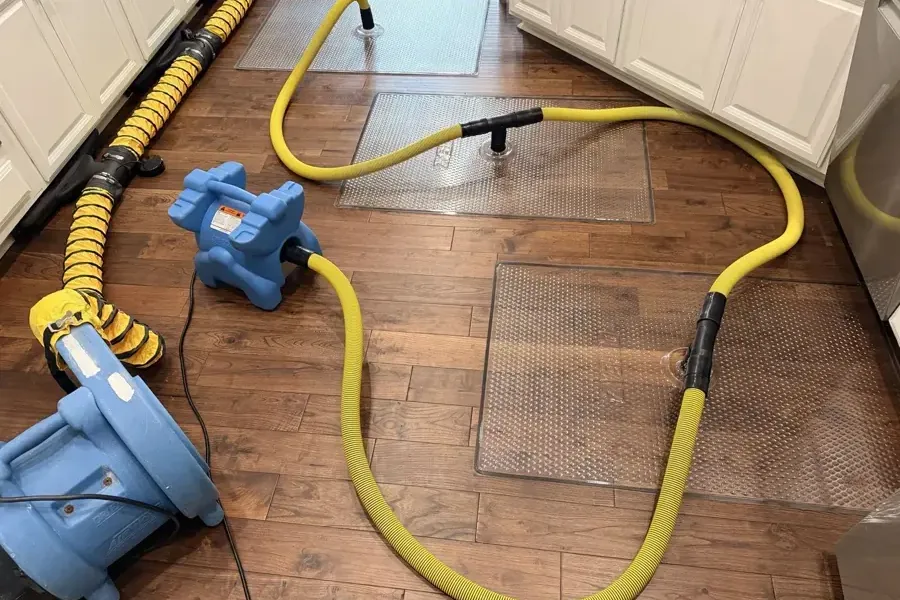 Boiler and Radiator Leak CleanupLeaks from boilers, radiators and baseboard heat dried out of floors and the ceilings below.View service
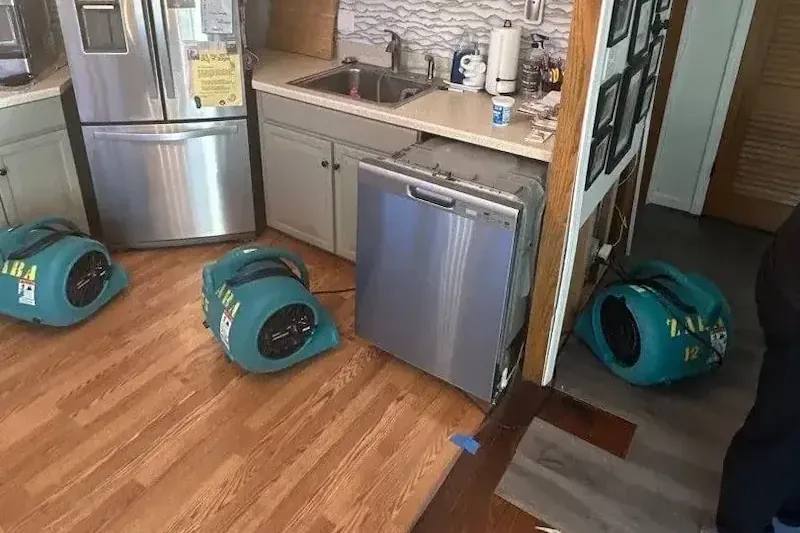 Appliance and Supply Hose LeaksWasher, dishwasher, refrigerator and toilet supply leaks dried out from under cabinets and floors.View service
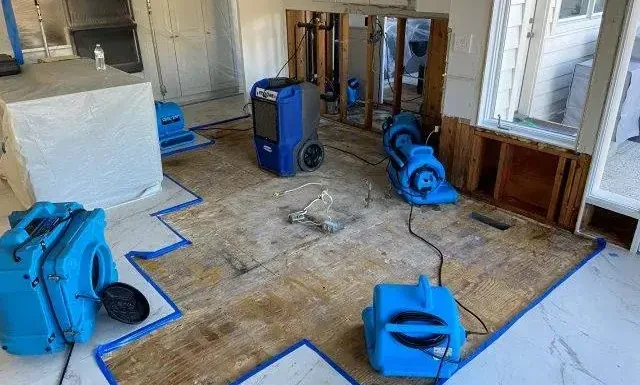 Structural Drying and DehumidificationFraming, subfloor, drywall and hardwood dried until readings match a dry reference in the house.View service
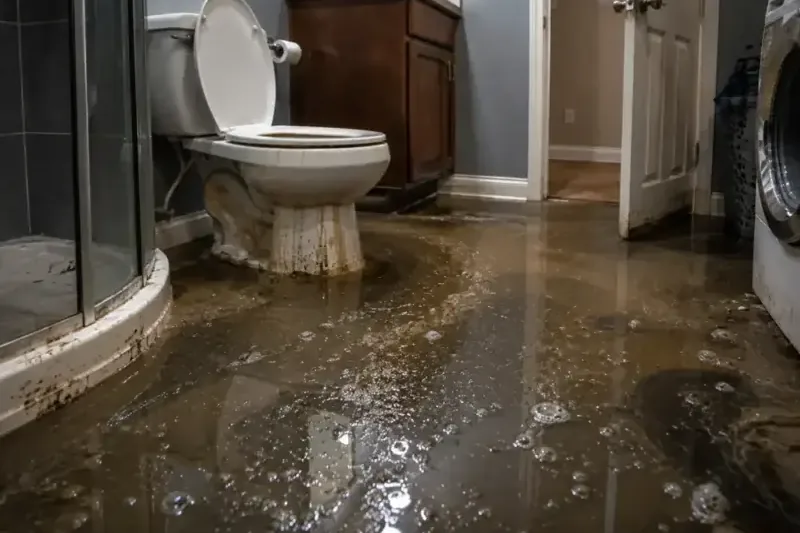 Sewage Backup CleanupDrain and toilet backups contained and removed as Category 3, then disinfected and dried.View service
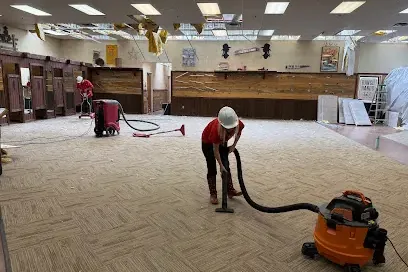 Commercial Water DamageShops, offices, dealerships and campus buildings dried in phases so work can continue nearby.View service
Four steps between a soaked floor and a dry reading
A dry-out that holds up is done in order and proven at the end. The right-hand column is the record each step leaves behind for the insurance claim file.
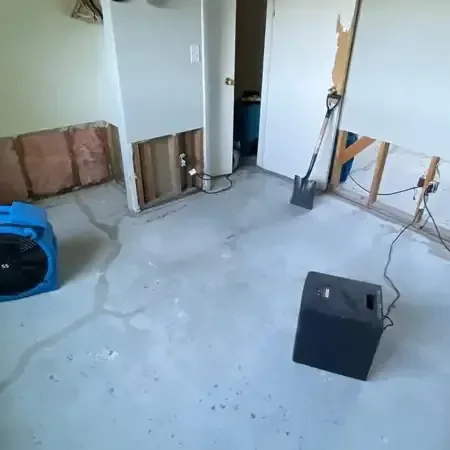
- Drying the structure, not the surface
- Water category sets the plan
- Readings decide when equipment leaves
- 01MeasurePinless meters and a thermal camera mark how far the water traveled before any fan or dehumidifier goes in.Moisture map, category and class
- 02RemoveTruck-mounted extraction takes the standing water out of the building, so it stops spreading into the next room.Dated photos before any removal
- 03DryAir movers sized to each room and LGR dehumidifiers run day and night, with desiccants for dense materials.Daily psychrometric log
- 04ConfirmThe crew pulls equipment only after wet materials read within 2 to 4 points of a dry reference.Closing readings for the claim
Each category of water calls for different work
Where the water came from decides what can stay and dry and what has to be removed.
Category 1, clean water
A cracked supply pipe, a water heater or an ice-maker tube. Dried in place when the work starts early enough.
Burst pipe water damageCategory 2, gray water
Washer discharge, a dishwasher drain or sump water that sat. Soaked porous materials are cleaned or taken out.
Sump pump failure cleanupCategory 3, black water
Sewage, drain backups and flash flood water from outside. Porous materials it reached are removed rather than dried.
Sewage backup cleanupHow the drying days usually unfold
- Day 0
Moisture map, extraction, removal of materials that cannot be saved and equipment placed in each wet room.
- Days 1 to 3
Daily readings, with air movers and dehumidifiers moved as each material releases water.
- Days 3 to 5
A contained Class 1 or 2 loss in carpet and drywall usually reaches the goal around here.
- Longer
Hardwood, plaster and concrete basement floors are dense, Class 4 work that needs extra days.
Drying goal: every wet material reads within 2 to 4 points of a dry reference in the same house, and only then does the equipment leave.
What does water damage restoration cost in Danvers, MA?
Water damage restoration in town typically runs from about $1,200 to $12,000 or more. Where a job lands depends on the water category, how much floor got wet, the material class and how soon drying began.
Single room, clean water
$1,200 to $3,500
- Extraction and drying
- One or two rooms
- Moisture readings daily
A few rooms or the basement
$3,500 to $8,000
- Wall and subfloor drying
- Partial material removal
- Basement dehumidifiers
Sewage or flood water
$8,000 to $12,000+
- Porous materials taken out
- Antimicrobial and HEPA work
- Complete structural drying
For a rough number based on the rooms involved, try the water damage cost calculator. Real pricing follows the moisture map, not a guess over the phone.
Records a water claim file needs
Adjusters decide a water claim from the records, not from the first call. Before work begins, ask which documents the restoration contractor provides.
A sudden and accidental discharge, such as a pipe that breaks, is usually treated apart from flood water rising from outside, which needs flood coverage. Coverage depends on your policy, so check it with your own insurer.
- 01A first-visit moisture map that marks every wet wall and floor
- 02Dated photos of each wet room taken before anything is removed
- 03The water category and the drying class on the job record
- 04Temperature, humidity and moisture readings logged each day of drying
- 05An itemized scope of work an adjuster can check piece by piece
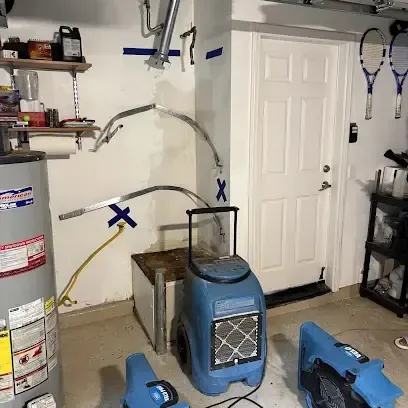
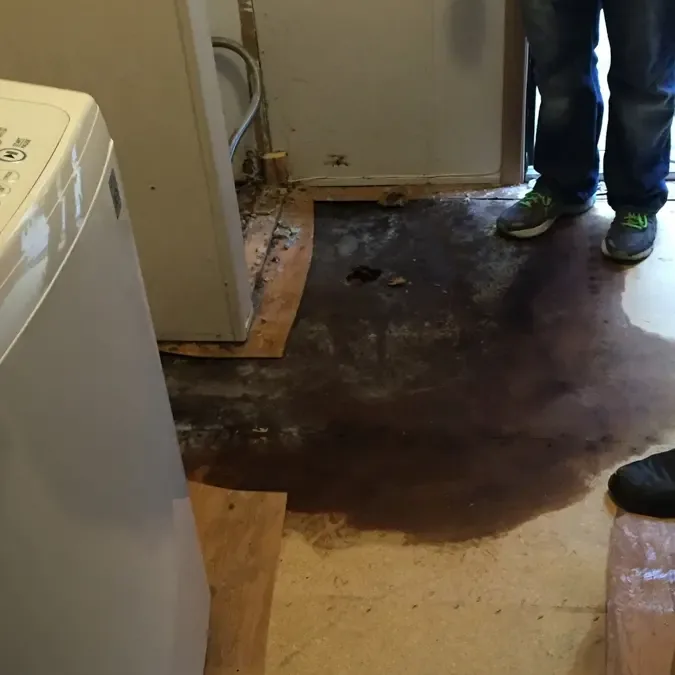
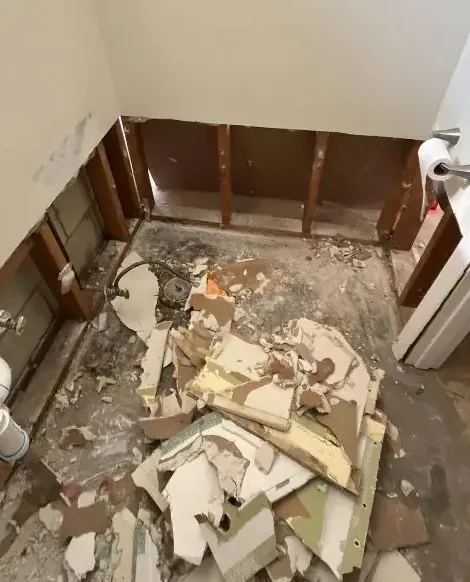
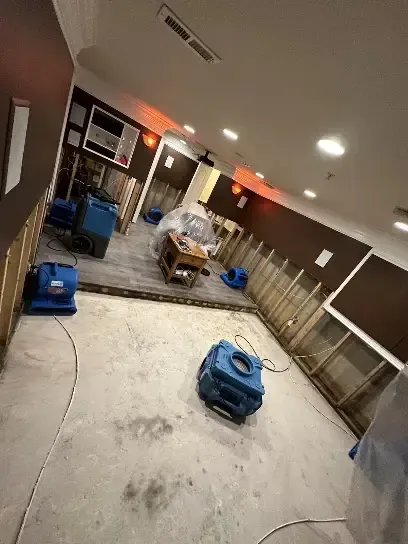
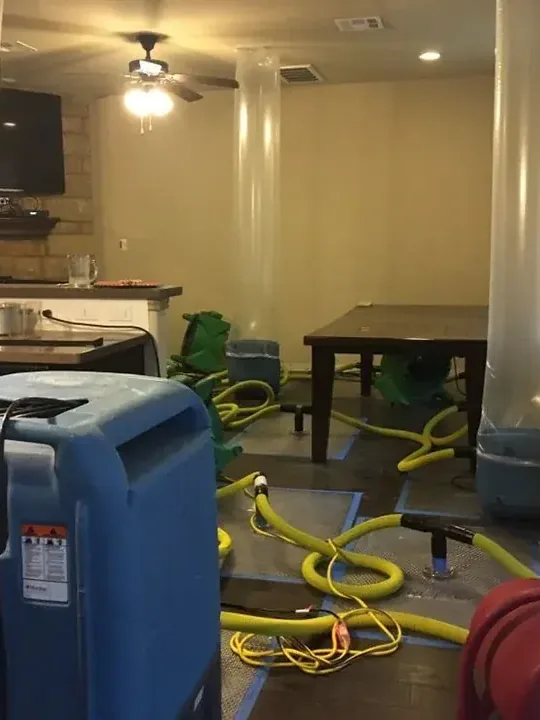
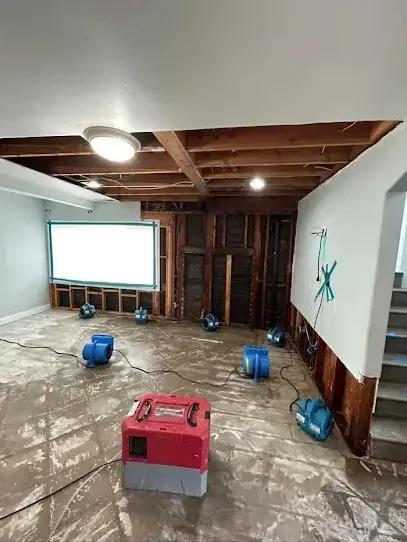
Inside a typical water damage dry-out
Water damage help across every village in town
Crews cover ZIP 01923 and 01937, from Danversport and Downtown to Tapleyville, Putnamville and Ferncroft, at any hour of the day.
One toll-free number for the whole town
Share which floor is wet, what the source was and whether the water is clean, gray or sewage. The answers set the equipment list, whether that means a portable unit for an apartment upstairs or a truck-mounted rig for a basement.
- Danvers, MA · Essex County
- (888) 629-3140
- Nights, weekends and holidays included
Center and east side
- Downtown
- Danvers Square
- Danversport
- Tapleyville
North and west
- Putnamville
- Hathorne
- Ferncroft
- Burley's Corner
Main corridors
- Route 1
- Route 114
- Route 35
- Route 62
Nearby towns
ZIP codes covered
Why water gets into Danvers homes the way it does
A town of rivers, low ground by a tidal harbor and homes with a median build year of 1964 sees water from storms, from below grade and from the plumbing. Five patterns stand out.
- Flash floods on Route 1: Heavy rain on October 4, 2011 made Route 1 impassable at East Coast Road and flooded Lane Parkway, High Street and Endicott Street, and Route 1 flooded again on July 28, 2014.
- Seepage in saturated soil: The town notes that groundwater seeps into basements when the soil is saturated, and sump pumps are the common way to keep it out.
- Sump water rules: The town bans sump pump connections to the sewer, so discharge must go to the lawn, a garden or a storm drain, and a stalled pump leaves that water in the basement.
- Tidal rivers and low ground: The Porter, Crane and Waters rivers meet to form a tidal river near the southeast corner of town, and Danversport sits at sea level beside it.
- Cold-weather pipe trouble: A water main broke at Spring Street and Nichols Street in freezing weather on January 24, 2025, a reminder of how hard winter cold is on pipes.
Named water in and around town: the Porter, Crane and Waters rivers, the tidal Danvers River, the Ipswich River on the western border, and the Putnamville and Emerson Brook reservoirs.
Questions people ask after a leak or flood
Quick answers on drying, cost, insurance and what to do first. If water is spreading right now, call first and read later.
Talk the leak over with a drying techHow quickly can a crew reach a home in Danvers?
Dispatch runs 24/7 and active water is treated as urgent. Timing depends on the hour, the weather and traffic on Route 1 and Route 128, so close the main valve and start the first steps while help is on the way.
What should happen in the first hour after a leak?
Shut the main valve, turn off power to wet rooms from a dry panel, keep clear of standing water near outlets, take photos, lift belongings off the floor and then call.
Will homeowners insurance pay for water damage in Massachusetts?
A pipe that breaks suddenly is usually handled differently from flood water or a slow drip. Water rising from outside normally needs its own flood policy. Coverage depends on your policy, so check it with your own insurer.
Where can a sump pump discharge in town?
Onto the lawn, a garden area or a storm drain, never into the town sewer. The town fines a sewer connection $300 per day and expects the property owner to reroute the pump.
Why does water get into basements here after heavy rain?
When the soil is saturated, groundwater seeps through basement walls and floors, which is why so many homes rely on sump pumps. A pump that stalls or loses power lets the pit overflow.
How long does it take to dry a home after a leak?
A contained Class 1 or 2 loss usually dries in three to five days. Hardwood, plaster and concrete take longer, and the equipment leaves when readings say dry, not on a fixed date.
What does IICRC S500 mean?
It is the industry standard for water damage restoration, covering how a loss is inspected, how the water is categorized, how drying is set up and how the result is confirmed with readings.
When do drywall and insulation need to come out?
When they are saturated, sagging, touched by Category 3 water or when readings will not come down. Clean water caught early can often be dried in place.
Why is a sewage backup treated differently?
Sewage is Category 3 from the start, so the work needs containment, protective gear, removal of porous materials it reached and an EPA-registered antimicrobial before drying. The town also warns that sump water in the sewer can overload it and push sewage into homes.
How is the cost of water damage restoration calculated?
By the water category, the wet square footage, the material class, the equipment and drying days needed and how soon drying started. The cost calculator gives a planning range.
Water in the house right now? Call before it reaches the subfloor.
Standing water spreads until someone extracts it. Crews start with a moisture map rather than a guess, 24/7.