Basement Flooding Cleanup Lynn, MA
A flooded basement can hold rainwater, seepage or sewage, and each one changes the cleanup. Crews identify the water type first, then pump, remove damaged finishes and dry the space.
(888) 629-3140Get a basement crew- Finished basements
- Unfinished basements
- Storm and sewer water
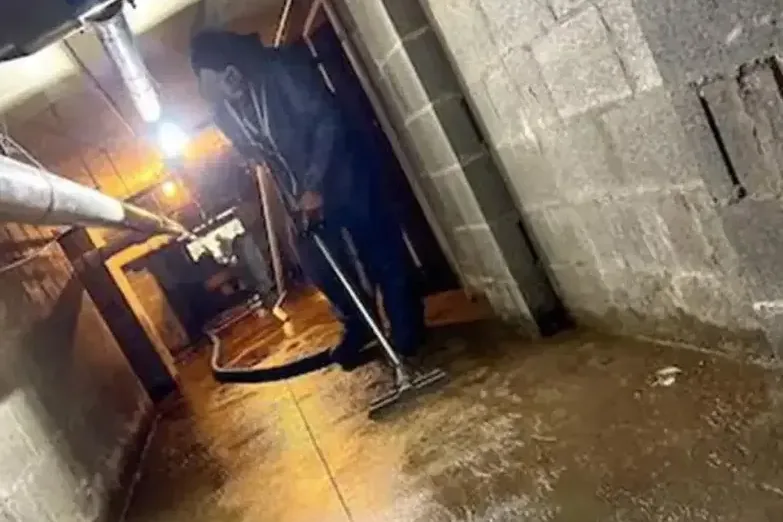
What to do first about basement flooding cleanup
- 1
Test the water
Identify rain, seepage or sewage before anyone steps in.
- 2
Pump it down
Water comes out in steady stages and the floor is cleared.
- 3
Strip wet finishes
Carpet, padding and soaked drywall are cut out and bagged.
- 4
Dry and verify
Equipment runs until slab and framing readings come back dry.
How basement flooding cleanup is handled, step by step
Each step follows the IICRC S500 drying standard, and the right-hand column is the record that step leaves in the claim file.
- 01AssessWater type, depth and entry points are logged.Moisture map with the category and class
- 02RemovePumps clear water and wet finishes come out.Timestamped photos before anything is removed
- 03DryDehumidifiers and air movers run on a monitored schedule.Daily psychrometric and moisture log
- 04Close outReadings and photos are handed to the owner.Final readings against a dry reference
What does basement flooding cleanup cost in Lynn, MA?
Unfinished basements with clean water run $2,000 to $4,000, finished basements $4,000 to $8,000, and storm or groundwater losses reach $8,000 to $12,000+. Sewage or long exposure pushes a job toward the top of those ranges.
Unfinished, clean water
$2,000 to $4,000
- Bare slab and walls
- Pump and clean
- Short drying run
Finished basement
$4,000 to $8,000
- Carpet and padding out
- Drywall removal
- Full structural drying
Storm or groundwater
$8,000 to $12,000+
- Dirty water handling
- Wide material removal
- Extended drying
These are typical ranges, never a quote. The category of water, the square footage, the material class and how fast drying started move the number most. The water damage cost calculator gives a closer planning range.
A basement takes on water from several directions at once: stormwater at the windows, seepage through the foundation, a failed pump, or a drain that has backed up. Each source calls for a different level of protection and removal.
A local example from 2017
In September 2017 a homeowner near the Saugus River reported dark water rising through the toilet and sink of a finished basement, and walls had to be opened. Because the city's older sewers are a combined system that carries rainwater and sewage in the same pipe, a heavy storm can send contaminated water toward the lowest drains.
- Test the water type before anyone steps into it
- Pump the water down steadily and track the level
- Remove wet carpet, padding, insulation and the bottom of drywall
- Run dehumidifiers and air movers until readings match the dry reference
Finished versus unfinished basements
An unfinished basement with a bare slab is mostly a pumping and cleaning job, and it often dries without demolition. A finished basement hides carpet, padding, drywall and insulation that hold water for a long time, so those layers are cut out and checked before the space is closed again. Slab and framing readings decide when new finishes can go in.
Rising water in the basement keeps soaking the slab and framing. Reach a crew any hour to plan the pump out.
Book basement cleanupDocumenting the loss
Photos, moisture readings and a removal list go into the insurance file. A written scope lists what was removed and what was dried in place. When a failed pump was involved, sump pump failure cleanup covers that side of the job.
Keep out until it is tested
Water that came up a drain or through a toilet should be treated as contaminated. Keep children, pets and bare hands out of it until a crew has assessed the space, and see sewage backup cleanup for that work.
Basement flooding cleanup across Lynn and nearby
Basement calls come from every part of the city, including The Highlands, Pine Hill, the Diamond District and South Harbor, as well as ZIP codes 01901, 01902, 01904 and 01905.
The same service nearby: basement flooding cleanup in Beverly, Salem, Peabody.
Related water damage services
Basement Flooding Cleanup questions, answered
What owners ask most about basement flooding cleanup, from drying time to the claim file.
Ask the drying team by phoneWhen should pumping start in a flooded basement?
Pumping should start as soon as the source is controlled and it is safe to enter. Standing water keeps feeding moisture into the slab, framing and anything stored on the floor.
Is basement water ever safe to wade through?
Not without checking. Storm water and drain water can carry sewage and contaminants, and live outlets or a running furnace add electrical risk. Stay out until the power and water type are assessed.
Why do basements flood during heavy rain here?
The city's older sewers are a combined system, so heavy rain can overload shared pipes, and rain can also overwhelm a pump or enter at windows and the foundation.
Do finished basements always need walls opened?
Not always. If clean water was caught early, drywall can sometimes be dried in place. Sewage or water that sat for a long time usually means cutting the walls open to reach wet insulation and framing.
Does the basement need to be fully dry before rebuilding?
Yes. Closing walls over damp framing invites mold and odor, so rebuilding waits for readings that match the dry reference. The written readings also support the insurance file.
Flooded basement? Get pumping and drying moving
Tell the crew whether the water is clean, from a storm or from a drain, and the plan will be built around it.