Frozen Pipe Water Damage in Peabody, MA
Ice inside a pipe can crack it, and the water only shows up once the pipe thaws. Cleanup removes that water, opens the wet wall or ceiling and dries the cavity so the damage stops there.
(888) 629-3140Call about a thawed pipe leak- Split pipe water removed
- Walls and ceilings dried
- Source traced
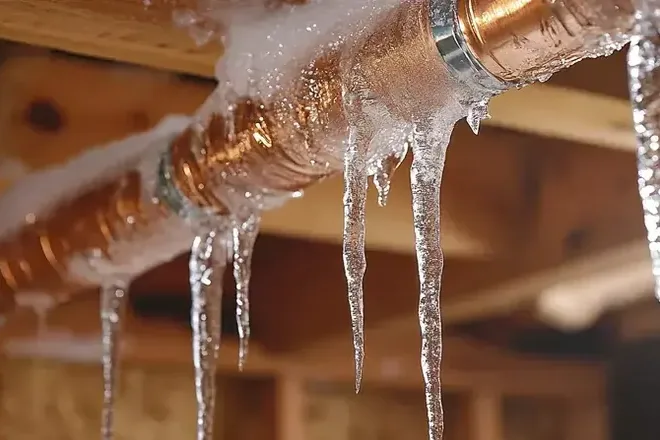
What to do first about frozen pipe water damage
- 1
Shut off the supply
Water to the damaged pipe is stopped at the nearest valve.
- 2
Trace the leak
Meters follow water down the wall and across ceilings.
- 3
Open and remove
Wet insulation and soft drywall are cut out.
- 4
Dry the cavity
Dehumidifiers and air movers run until readings fall.
How frozen pipe water damage is handled, step by step
Each step follows the IICRC S500 drying standard, and the right-hand column is the record that step leaves in the claim file.
- 01FindThermal imaging locates the cold, wet path.Moisture map with the category and class
- 02RemoveStanding water and wet insulation come out.Timestamped photos before anything is removed
- 03DryEquipment is set for the wall or ceiling cavity.Daily psychrometric and moisture log
- 04ConfirmFinal meter readings clear the space.Final readings against a dry reference
What does frozen pipe water damage cost in Peabody, MA?
A frozen pipe job costs less when the split is found quickly and only one wall is wet. Leaks that ran for days soak insulation, ceilings and floors below, which pushes the work into the higher ranges.
One wall, caught early
$1,500 to $3,500
- One wall cavity
- Short leak time
- Drywall spot repair
Two rooms or floors
$3,500 to $7,000
- Ceiling and wall wet
- Insulation replaced
- Longer drying
Leaked for days
$7,000 to $10,000+
- Several floors wet
- Floors and ceilings opened
- Extended drying
These are typical ranges, never a quote. The category of water, the square footage, the material class and how fast drying started move the number most. The water damage cost calculator gives a closer planning range.
A frozen pipe does not leak while it is frozen. The split opens quietly, and water begins to flow when temperatures rise or the heat comes back on, often inside a wall or ceiling where no one is looking. Because the water is hidden, the first sign is often a stain, a sagging ceiling or the sound of dripping.
Where thaw leaks hide
Pipes in exterior walls, unheated spaces and cabinets against cold walls freeze first. When a split thaws, water runs down the cavity, soaks insulation and drywall, and shows up as a stain or a drip on the floor below. Moisture mapping follows the water path.
- Water supply shut off at the main valve before anything else
- Wall opened only where meters show water
- Wet insulation and swollen drywall removed
- Dehumidifiers run until the cavity reads dry
Cold weather and older homes
Freezing does the same damage in any building, so nothing here depends on a local event. The median home dates to about 1966, and the Washington Street Historic District holds 1800s houses, so pipes near exterior walls are worth checking when a cold snap ends.
A pipe that split in the cold keeps leaking behind the wall after it thaws, so the supply and the drying both need early attention.
Call about a thaw leakStopping the water first
The supply should be shut off the moment a split is found, and the plumber repairs the pipe while the crew handles removal and drying. Meters are used again after repairs to confirm the wall stayed dry.
Careful thawing
A hair dryer or warm towels are safer than torches or space heaters, and a pipe that has already split should be left alone until the water is off.
Frozen pipe water damage across Peabody and nearby
Frozen pipe help reaches homes across 01960 and 01961, from the Washington Street Historic District and downtown to South Peabody, West Peabody, the Proctor neighborhood and the streets around Crystal Lake.
The same service nearby: frozen pipe water damage in Beverly, Danvers, Lynn.
Related water damage services
Frozen Pipe Water Damage questions, answered
What owners ask most about frozen pipe water damage, from drying time to the claim file.
Ask the drying team by phoneHow can a split pipe be spotted before it thaws?
Frost on a pipe, no water at a tap or a bulge in the pipe wall are warning signs. A pipe that has already split may stay dry until the temperature rises, so checking exterior walls after a cold snap helps.
Is a frozen pipe covered by insurance?
Coverage depends on the policy, and sudden bursts are treated differently from long term neglect. Photos, a plumber's repair note and drying logs help the adjuster decide.
Does a thawed pipe always need a plumber?
A pipe that froze but did not split can be warmed and left alone. Any pipe with a crack, a bulge or a drip needs repair, and the crew handles the water damage while the plumber handles the pipe.
Can insulation stay if it got wet?
Wet insulation holds moisture against framing and drywall, so it is usually removed even when it looks dry on the surface. Foam and some batts may be salvageable if a meter confirms they are dry.
What if the leak is above a finished ceiling?
A stained or bulging ceiling can hold a lot of trapped water, so it is opened in a controlled way to let it drain. The ceiling leak page explains that process.
How does a burst differ from a frozen split?
The effect is close, because both release pressurized water inside the building. The burst pipe page covers causes that do not involve ice, and a thaw split mostly delays the first sign.
Dry the wall before the damage travels further
The crew traces the water path, removes what is wet and sets equipment in the cavity while the plumber repairs the pipe.