Storm Flood Cleanup in Salem, MA
Tides over the harbor edge and rain through low doors leave silt, debris and soaked flooring behind. Crews remove the water, clear what cannot be saved and dry the structure.
(888) 629-3140Call after the storm- Flood water removed
- Silt and debris cleared
- Structure dried out
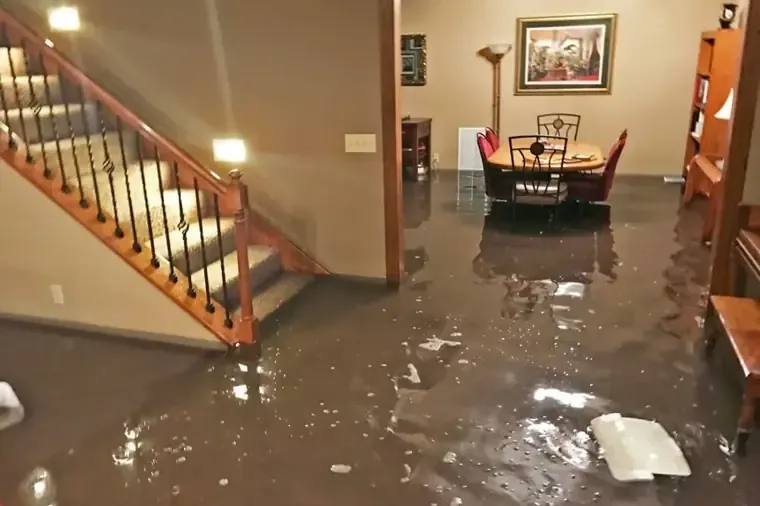
What to do first about nor'easter and storm flood cleanup
- 1
Wait for safety
Entry waits until the water has receded and power is off.
- 2
Clear the debris
Silt, mud and loose items are removed from floors.
- 3
Remove materials
Soaked carpet, padding and drywall are cut out and bagged.
- 4
Clean and dry
Surfaces are sanitized and dehumidifiers run until readings settle.
How nor'easter and storm flood cleanup is handled, step by step
Each step follows the IICRC S500 drying standard, and the right-hand column is the record that step leaves in the claim file.
- 01AssessHazards, water type and wet areas are noted.Moisture map with the category and class
- 02ExtractPumps and vacuums clear the remaining water.Timestamped photos before anything is removed
- 03SanitizeHard surfaces are cleaned for contaminated water.Daily psychrometric and moisture log
- 04DryReadings confirm the structure is ready for repairs.Final readings against a dry reference
What does nor'easter and storm flood cleanup cost in Salem, MA?
Wind driven rain in one room tends to start near $2,000, while several flooded levels can pass $20,000. Water type, depth and the number of levels decide the figure, and a written scope follows the first inspection.
Wind-driven rain, one room
$2,000 to $4,000
- Single room wet
- Water extracted
- Short drying run
Basement or one level
$4,000 to $12,000
- Whole level wet
- Silt cleared
- Materials removed
Several levels
$12,000 to $20,000+
- Multiple floors flooded
- Sanitizing required
- Rebuild after drying
These are typical ranges, never a quote. The category of water, the square footage, the material class and how fast drying started move the number most. The water damage cost calculator gives a closer planning range.
Storm flooding differs from a pipe leak because the water arrives from outside, brings debris and cannot be switched off. Cleanup begins when the flooding recedes and it is safe to enter, and it treats the water as contaminated from the start.
A record of local flooding
On January 4, 2018, a storm tide in Salem reached 11.6 feet, and on March 2, 2018, a high tide pushed the North River over its banks. Heavy rain closed part of Bridge Street in July 2021, and the January 2024 seawall failure at Juniper Point sent seawater into streets and homes. Salem Sound Coastwatch names seven areas at high risk of increased flooding, including Collins Cove, Palmer Cove and the Derby waterfront.
- Silt and debris are shoveled and bagged first.
- Carpet, padding and soaked drywall are removed.
- Hard surfaces are cleaned and sanitized.
- Dehumidifiers dry the framing before rebuilding.
Wind driven rain counts too
Not every storm loss is a tide. Wind driven rain can push through windows, doors and roof edges and soak a single room, which is the lightest tier of the work. Even a thin film can lift flooring and swell baseboards, so meters check every room that took on rain. The steps mirror water extraction with extra attention to contaminants.
Do not walk through floodwater
Storm water may hide debris, hidden hazards and electrical risk, so stay out until the power is off and the water has receded.
Storm water in the building? Call to sort out the safe next steps before any cleanup starts.
Report storm floodingNor'easter and storm flood cleanup across Salem and nearby
Storm flood work covers 01970, including harbor edge neighborhoods such as Collins Cove, The Point, Juniper Point and Salem Willows, plus the Derby Street corridor and the Canal Street area.
The same service nearby: nor'easter and storm flood cleanup in Beverly, Lynn, Peabody.
Related water damage services
Nor'easter and Storm Flood Cleanup questions, answered
What owners ask most about nor'easter and storm flood cleanup, from drying time to the claim file.
Ask the drying team by phoneIs storm and tidal flood water contaminated?
Yes. It carries silt, debris and bacteria, so cleanup treats porous materials as unsalvageable and cleans hard surfaces with sanitizers before drying.
When can cleanup begin after a nor'easter?
Once the water has receded, the power is off and the building is safe to enter. Technicians then extract, remove damaged materials and set drying equipment.
Does insurance cover storm and tidal flooding?
Standard homeowner policies often exclude flood water, while separate flood coverage may apply. Photos, readings and dates support whatever the adjuster decides.
Can salt water damage hardwood and metal?
Yes. Salt residue attracts moisture and corrodes metal, so surfaces are rinsed and checked. Hardwood often needs careful drying or replacement after seawater.
Are flood maps relevant to cleanup?
They matter more to coverage than cleanup. FEMA approved revisions for Salem's flood map in 2017, so owners should check current zones with the city.
Where is storm work described for nearby cities?
The Beverly storm flood page describes storm work for the neighboring city.
Can furniture and rugs be saved?
Hard furniture can often be cleaned and dried, while soaked upholstery, mattresses and rugs that sat in tidal water are usually discarded and listed for the claim.
Storm water needs careful handling
Tell the crew what flooded and how deep the water got, and a plan can be set for removal and drying.