Storm Flood Cleanup in Peabody, MA
Heavy rain has flooded the city before, and when storm water gets inside it brings mud, debris and bacteria with it. Cleanup pumps it out, washes the surfaces and dries what remains.
(888) 629-3140Call about storm flooding indoors- Nor'easter flooding
- Mud and debris cleared
- Surfaces sanitized
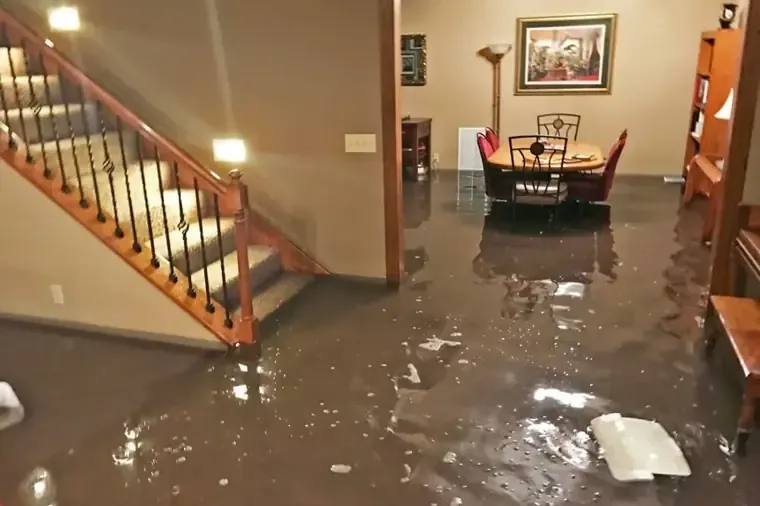
What to do first about nor'easter and storm flood cleanup
- 1
Stay out of flood water
Contaminated water and live power make entry unsafe.
- 2
Pump the building
Water comes out of every affected level.
- 3
Clear mud and debris
Silt is shoveled out and surfaces are washed.
- 4
Sanitize and dry
Treated surfaces dry under dehumidifiers.
How nor'easter and storm flood cleanup is handled, step by step
Each step follows the IICRC S500 drying standard, and the right-hand column is the record that step leaves in the claim file.
- 01SurveyFlood height and water type are noted.Moisture map with the category and class
- 02PumpAll affected levels are emptied.Timestamped photos before anything is removed
- 03WashSurfaces are cleared of silt and sanitized.Daily psychrometric and moisture log
- 04DryEquipment runs until materials read normal.Final readings against a dry reference
What does nor'easter and storm flood cleanup cost in Peabody, MA?
Storm flood cost depends on how high the water rose, how many levels it reached and whether it carried mud and sewage. Wind driven rain through one room stays near the bottom, while several flooded levels reach the top range.
Wind driven rain, one room
$2,000 to $4,000
- One room wet
- Rain through window or door
- Dry down
Basement or one level
$4,000 to $12,000
- Full level flooded
- Mud and debris cleared
- Porous materials removed
Several levels
$12,000 to $20,000+
- Flooding on many floors
- Heavy sanitizing
- Extended drying
These are typical ranges, never a quote. The category of water, the square footage, the material class and how fast drying started move the number most. The water damage cost calculator gives a closer planning range.
Storm water is different from a pipe leak because it has crossed streets, yards and drains before it reaches a building. It arrives carrying silt, bacteria and debris, so the work includes washing and sanitizing surfaces as well as drying them.
Flooding history around the city center
Public records name Foster Street and Walnut Street as trouble spots when Peabody Square flooded during the decade before 2017. The downtown also flooded after days of heavy rain in May 2006, and a drainage plan for the North River was meant to cut how often the square floods. Even in 2017 the mayor warned that the risk had not gone away.
- Pumps clear flood water from every affected level
- Mud, silt and debris shoveled and washed away
- Walls, floors and contents washed and sanitized
- Porous materials such as carpet pad and insulation removed
What local flood controls cover
The Scouting Woods retention pond and a schedule for clearing culverts and catch basins were credited with keeping the city dry in January 2017 even with heavy rain, a high tide and soaked ground. Controls like these reduce the odds of flooding but cannot stop a severe storm.
Flood water brings mud and bacteria into the building, and the longer it stays, the more materials absorb it.
Call about flood water indoorsAfter the water drops
Contents touched by flood water are sorted into items that can be washed and items that should be discarded, and wet drywall and insulation are cut back before drying equipment goes in.
Flood water is not clean
Water that came from outside can hold sewage, fuel and chemicals, so wading through it, running fans in it or handling wet belongings without gloves is unsafe.
Nor'easter and storm flood cleanup across Peabody and nearby
Storm flood calls cover ZIP codes 01960 and 01961, with attention to downtown near Foster Street and Walnut Street, the North River and Waters River areas, Crystal Lake, West Peabody and South Peabody.
The same service nearby: nor'easter and storm flood cleanup in Beverly, Danvers, Lynn.
Related water damage services
Nor'easter and Storm Flood Cleanup questions, answered
What owners ask most about nor'easter and storm flood cleanup, from drying time to the claim file.
Ask the drying team by phoneHow is storm water different from clean leaks?
It has traveled over streets and ground first, so it carries bacteria, silt and debris. That is why porous materials are usually removed and surfaces sanitized instead of simply dried.
What does a nor'easter do to a building?
Wind driven rain pushes water around windows, doors and roof edges, while runoff and overloaded drains can flood lower levels. Wet insulation and wall cavities often hide damage that is not visible yet.
Is it safe to stay in the building?
Not while water covers outlets or the floor is flooded, because shock and contamination risks are real. The property is checked and power confirmed safe before anyone returns to wet areas.
Will insurance cover flood damage?
Flood and storm water are often treated differently from plumbing leaks, and many policies handle them under separate terms. The policy should be reviewed early, and photos and drying logs support any claim.
Can a lower level be saved after flooding?
Often the structure can, because concrete and framing dry well once cleaned. Carpet, pad, insulation and drywall that touched storm water are the items most often replaced. See basement flooding cleanup for the full process.
What helps before the next storm?
Clear gutters and drains, move valuables off the floor and test sump pumps before heavy rain arrives. After flooding, keep a record of what was wet so the cleanup and any claim have a clear starting point.
Pump out the flood and wash away the mud
Pumping, debris removal, sanitizing and drying are handled as one job, with meters confirming the building is dry before equipment leaves.