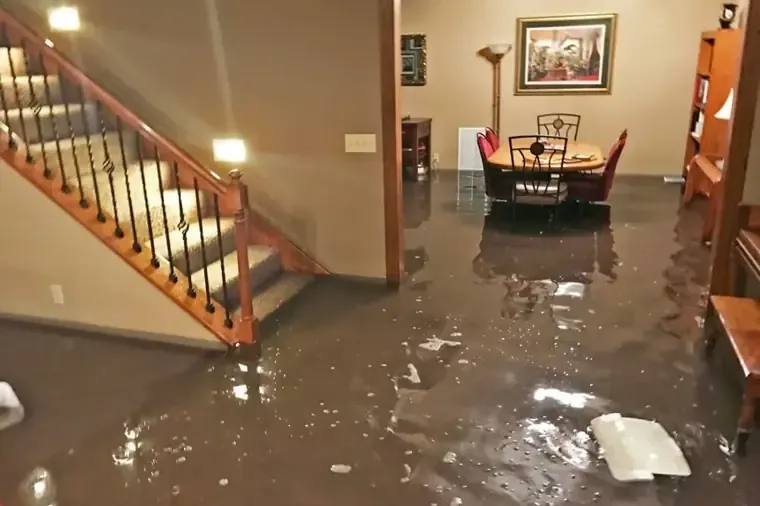
When the sea comes into a Salem house, the water brings salt, silt and whatever else the tide collected on the way. In January 2024 a seawall failure at Juniper Point sent seawater through streets and into homes around Collins Cove and The Point.
Key takeaways
- Tide and storm water is treated as contaminated, so porous materials it touched are usually removed, not dried in place.
- The January 2024 flooding around Collins Cove and The Point hit at a scale those areas had never seen.
- Salem Sound Coastwatch names seven areas at high risk of more flooding from sea level rise and storms.
- Brick and masonry buildings hold water, so drying is measured with moisture readings, not guesses.
- Flood coverage is often a separate policy, so photographs, readings and written questions to the insurer matter early.
What the January 2024 seawall failure showed
A seawall at Juniper Point failed during a winter storm and king tide, and seawater ran through streets and into homes. The flooding around Collins Cove and The Point reached a scale those areas had never seen.
Coastal flooding also reached the Salem Maritime site on Derby Street. The city later completed emergency stabilization repairs to the seawall.
- A seawall failing during a storm and a king tide
- Seawater in streets and in homes
- Flooding around Collins Cove and The Point
- Water reaching Derby Street
Not a one-off: the 2018 tides and the named risk areas
On January 4, 2018, a storm tide here reached 11.6 feet. On March 2, 2018, high tide near 11 feet pushed the North River over its banks and flooded Bridge Street.
Police closed streets near Bridge Street and Commercial Street, Beach Avenue and Columbus Avenue, and Derby Street was impassable. The Harbor Walk and the Pickering Wharf jetties went underwater.
The two tides were separate events in the same winter, and each reached streets that homeowners use every day. A house on low ground can see tidal water more than once in a season, which makes a plan worth having.
Areas named as high risk
Salem Sound Coastwatch says seven areas face a higher risk of flooding from sea level rise and storms.
- Collins Cove
- Juniper Cove
- Palmer Cove
- The Derby waterfront along the South River
Why seawater is treated as contaminated
What is in the water
Tidal water mixes with street runoff, fuel, silt and sometimes sewage from overwhelmed drains. The trade treats it as Category 3 water.
Salt also leaves residue and speeds corrosion on metal fasteners, appliances and electrical parts.
What that changes
- Carpet, pad and insulation that the water touched are removed
- Drywall and trim wet from below are cut out above the water mark
- Hard surfaces are cleaned and treated with antimicrobial before drying
- Appliances and electronics that sat in the water are checked by a technician before use
Salt, metal and electrical systems
Salt does damage that a clean flood does not. It leaves a white crust on masonry, and it speeds rust on nails, brackets, appliance parts and electrical contacts.
A furnace, water heater or panel that sat in tidal water should be checked by a technician before it is switched on. That check is part of the plan, not an extra.
- Rinse and wipe hard surfaces before they dry with salt on them
- Have heating equipment checked before it runs again
- Replace outlets and switches that the water reached
- Keep appliances unplugged until they are tested
Drying brick, plaster and old framing
The Point was rebuilt in brick and masonry after the 1914 fire, as apartment buildings, row houses and multi-family homes. Bridge Street Neck and Collins Cove hold a dense mix of Federal, Greek Revival and Victorian-era homes.
Those buildings share walls and floors, so water in one unit can travel to the next. Structural drying follows moisture readings through masonry, plaster, framing and subfloor, not just the visible wet spot.
- Readings taken on brick, plaster and wood at set points
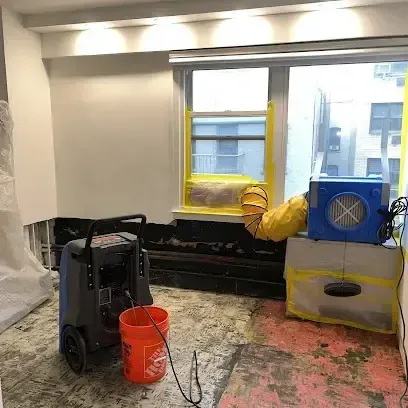
- Dehumidifiers and air movers placed to push dry air through wall cavities
- Shared walls and floors checked on the other side
- Equipment stays until readings, not the calendar, say dry
The first day after seawater enters
Seawater is no place for wading. The first day is about safety, getting the water out and keeping a clear record.
The crew starts with water extraction, then sorts what can be cleaned and what has to go. The wider scope is described under storm and flood cleanup.
Speed matters because tidal water soaks plaster, wood and brick quickly and leaves salt behind as it dries. Contents that sat in the water are sorted by what can be cleaned and what cannot, and the list becomes part of the record.
- Stay out of the water and keep the power off in any wet area
- Photograph water marks on walls and the contents that sat low
- Move dry belongings upstairs, but not through the water
- Hold on to damaged items until the insurer has seen them
Getting ready before the next high tide
The coast gives some warning. The National Weather Service posts storm and flood alerts, and tide charts show the highest tides of the month.
A homeowner on low ground can use that notice to move what matters before the water comes.
- Lift furniture, boxes and electronics off the ground floor
- Move vehicles and equipment to higher ground
- Know where the power shutoff is and how to reach it
- Take dated photographs of the rooms while they are dry
Insurance and records after a coastal flood
Coverage for tidal flooding often sits in a separate flood policy rather than a standard homeowners policy. The wording matters, so the policy is worth a careful read.
Photographs and moisture readings taken before and during the work support whatever claim follows. The other services listed here cover the rest of the house.
- Photograph water marks, belongings and damaged finishes
- Keep receipts for temporary housing and cleaning
- Ask the insurer in writing which policy applies
- Save the moisture readings and the daily drying logs
Questions
Is seawater in a house different from rainwater?
Yes. Seawater carries salt, silt and contaminants from the harbor and the streets, so it is treated as contaminated and porous materials are removed. Rainwater that stays clean is handled differently.
Can wet drywall and carpet be saved after a tidal flood?
Usually not. Carpet, pad and drywall that tidewater touched are removed because they cannot be reliably cleaned. Solid wood framing and masonry are cleaned and dried instead.
Which neighborhoods are named as high risk for flooding?
Salem Sound Coastwatch names seven areas, including Collins Cove, Juniper Cove, Palmer Cove and the Derby waterfront.
Does flood damage from the sea fall under a homeowners policy?
Often not. Many standard homeowners policies exclude flood, and a separate flood policy covers it. Check the wording or ask the insurer.
Why does tidal flooding repeat in the same places?
Low ground, harbor edges and filled land flood first when a storm tide comes in with heavy rain or a barrier fails. The city has named seven areas at higher risk, and the January 2024 failure showed what a breach can do.
How is it known when a brick wall is dry?
Moisture meters read the masonry and framing against dry reference readings. The equipment stays until the readings, not the calendar, say the structure is dry.