Commercial Water Damage in Peabody, MA
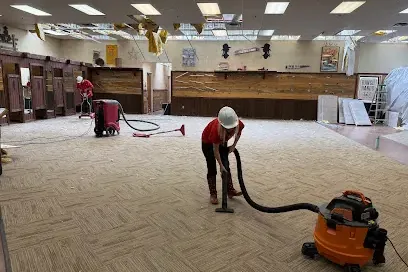
Retail floors, office suites and industrial units all lose money while water sits. Cleanup removes the water, protects inventory and equipment where possible, and plans drying so the business can get back to work.
(888) 629-3140Peabody business water loss help- Shops and offices
- Industrial units
- Planned around operating hours
What to do first about commercial water damage
- 1
Secure the site
Power is checked and valuable stock is lifted.
- 2
Extract the water
Large floor areas are pumped and extracted.
- 3
Stage the drying
Equipment is placed zone by zone.
- 4
Report and release
Logs go to the owner and insurer.
How commercial water damage is handled, step by step
Each step follows the IICRC S500 drying standard, and the right-hand column is the record that step leaves in the claim file.
- 01ScopeAffected suites and floors are measured.Moisture map with the category and class
- 02ExtractWater comes off floors in each zone.Timestamped photos before anything is removed
- 03DryEquipment runs by zone with meter checks.Daily psychrometric and moisture log
- 04ReportLogs and photos support the claim.Final readings against a dry reference
What does commercial water damage cost in Peabody, MA?
Commercial pricing follows the number of suites, the floor area and the water category. A clean water leak in one suite costs the least, while contaminated water or a whole building loss sits in the highest range.
One suite, clean water
$5,000 to $12,000
- One tenant space
- Clean water source
- Zone drying
Several suites or a floor
$12,000 to $30,000
- Shared walls affected
- Tenant coordination
- Staged equipment
Category 3 or whole building
$30,000 to $50,000+
- Contaminated water
- Major material removal
- Extended drying
These are typical ranges, never a quote. The category of water, the square footage, the material class and how fast drying started move the number most. The water damage cost calculator gives a closer planning range.
A commercial loss is measured in lost days as well as damaged materials. Large floor areas, shared walls and tenants next door make the work more complex, so the plan starts with what must stay open and what can be closed off.
Local business districts
The Northshore Mall opened in September 1958 as an outdoor shopping center and remains one of the region's largest, Centennial Park holds medical and technology companies, and the Central Street corridor and downtown add smaller shops. Each has different layouts, tenants and risks.
- Inventory and equipment lifted off wet floors
- Water extracted from large floor areas
- Drying staged by zone so unaffected areas can keep operating
- Photos and logs prepared for the landlord and insurer
Flooding and downtown shops
In May 2006 the downtown around the town square flooded after days of heavy rain, and business owners pumped water from their stores themselves. Public records also describe drainage work meant to reduce flooding in Peabody Square, which is a reminder that downtown businesses need a plan for water.
A business losing water loses sales while it waits, so extraction and drying should be arranged early.
Phone about the business damageTenants, landlords and continuity
Leases often decide who handles repairs, so the owner, the manager and each affected tenant should be told early, and the same moisture logs can serve all of them.
Protect stock first
Moving inventory, files and electronics to dry shelving or plastic covered pallets limits losses before extraction reaches the area.
Commercial water damage across Peabody and nearby
Commercial calls cover ZIP codes 01960 and 01961, including the Northshore Mall area, Centennial Park, the Central Street corridor, downtown shops and offices, and business space in South Peabody and West Peabody.
The same service nearby: commercial water damage in Beverly, Danvers, Lynn.
Related water damage services
Commercial Water Damage questions, answered
What owners ask most about commercial water damage, from drying time to the claim file.
Ask the drying team by phoneCan the business stay open during drying?
Often partly. Drying is staged by zone, so unaffected areas can keep operating while wet areas are isolated. Safety, noise and power use decide how much is practical.
Who pays for a commercial water loss?
That depends on the lease and the policy. A landlord policy may cover the building while a tenant policy covers contents and improvements, so both should be notified and given the same records.
How is inventory protected?
Stock is lifted onto shelving or pallets and covered, and wet goods are separated from dry ones. Items that absorb water, such as cardboard and paper, are the first to be moved.
What if the loss involves sewage or storm water?
Contaminated water changes the scope. Affected materials are removed, surfaces disinfected, and the area stays closed to staff and customers until cleanup is complete, as covered on the sewage backup page.
What records are produced?
Moisture maps, photos, equipment logs and a final dry report are kept for the owner, the manager and the insurer. The structural drying page explains what the final readings mean.
Dry the space and keep the doors open
Scheduling, tenant updates and written logs are handled alongside extraction and drying, so owners can focus on operations.