Sump Pump Failure Cleanup in Peabody, MA
A pump needs steady power and a clear discharge path to keep up with heavy rain. When either one fails, the pit overflows, and cleanup begins with removing that water and drying everything it touched.
(888) 629-3140Call after a pump overflow- Overflow pumped out
- Power and float checked
- Floors dried
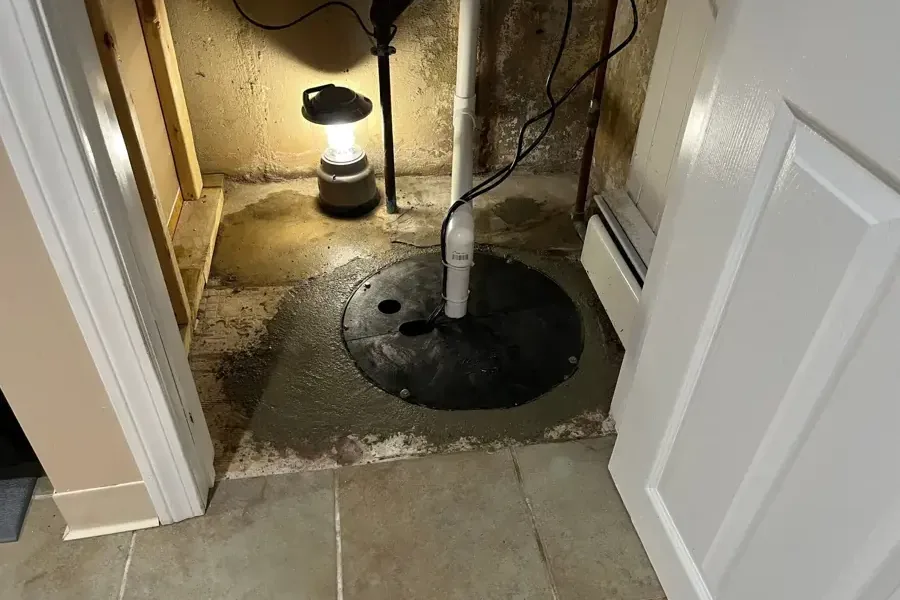
What to do first about sump pump failure cleanup
- 1
Check the pump
Power, float and discharge are checked so the pit stops refilling.
- 2
Remove overflow
Pumps and extractors clear water from the floor.
- 3
Cut out the wet
Soaked carpet, pad and low drywall are removed as needed.
- 4
Dry the structure
Equipment runs until concrete and framing test normal.
How sump pump failure cleanup is handled, step by step
Each step follows the IICRC S500 drying standard, and the right-hand column is the record that step leaves in the claim file.
- 01TraceThe failure point is found and noted.Moisture map with the category and class
- 02PumpOverflow water is taken off the floor.Timestamped photos before anything is removed
- 03CleanHard surfaces are washed after the water is out.Daily psychrometric and moisture log
- 04DryMeters confirm normal readings.Final readings against a dry reference
What does sump pump failure cleanup cost in Peabody, MA?
Cleanup cost depends on how much water left the pit, how long it sat and whether the basement is finished. Overflow that sat for days costs more because carpet, drywall and framing take on water.
Small spill, unfinished
$1,500 to $3,000
- Small overflow
- Bare floor and walls
- Water removed and dried
Finished basement
$3,000 to $6,000
- Carpet and pad removed
- Drywall cut back
- Framing dried
Water sat for days
$6,000 to $8,000+
- Deep absorption
- More material removed
- Extended drying
These are typical ranges, never a quote. The category of water, the square footage, the material class and how fast drying started move the number most. The water damage cost calculator gives a closer planning range.
Most sump pump failures happen when the pump is needed most. Heavy rain raises the water level, a power interruption or jammed float stops the motor, and the pit spills across the floor before anyone notices.
Why pumps fail during storms
A pump depends on electricity, and the city's power comes from the Peabody Municipal Light Plant, so an outage during a storm leaves the pit with no way to empty. A float switch that sticks or a discharge hose that is blocked has the same result.
- Power loss leaves the motor with nothing to run on
- A stuck float never tells the pump to start
- A frozen or blocked discharge hose keeps water from leaving
- A worn pump cannot keep pace with heavy inflow
What the cleanup covers
Water is pumped from the floor first. Wet carpet, pad and the bottom of the drywall are removed if the water was dirty or sat long, and hard surfaces are cleaned. Dehumidifiers and air movers then dry the framing and concrete until readings return to normal.
A pit that has already overflowed can overflow again in the next downpour, so removal and a pump check belong together.
Call about a failed pumpGetting the pump working again
Pump repair belongs to a plumber, but the crew notes the float, cord and discharge path so the owner knows where the failure started.
Backup power and alarms
A battery backup and a high water alarm are common ways to keep a pump running through an outage, and either one is worth raising with a plumber after a loss.
Sump pump failure cleanup across Peabody and nearby
Pump failure calls come from across ZIP codes 01960 and 01961, including streets near the Waters River, Suntaug Lake, Crystal Lake and the neighborhoods of South Peabody and West Peabody.
The same service nearby: sump pump failure cleanup in Beverly, Danvers, Lynn.
Related water damage services
Sump Pump Failure Cleanup questions, answered
What owners ask most about sump pump failure cleanup, from drying time to the claim file.
Ask the drying team by phoneWhy do sump pumps fail during storms?
The usual causes are an outage, a stuck float, a blocked discharge hose or a pump that is worn out. Storm flooding stresses all four at once, because heavy inflow arrives exactly when power is most likely to drop.
Is the overflow water clean?
It depends on where it came from. Water pushed up from a pit during a storm often carries soil and bacteria, so it is handled as contaminated until proven otherwise.
Should the pump be repaired before the cleanup?
Cleanup and pump repair can happen together. Water removal should not wait, but a plumber or electrician should check the pump so the pit does not fill again during the next rain.
Does insurance pay for sump pump overflow?
Coverage for overflow varies by policy and may need a water backup endorsement, so the policy should be checked early. Photos, readings and equipment logs support any claim that is filed.
Can wet drywall near the pit be saved?
Drywall touched only briefly by clean water can sometimes dry in place. If it wicked water upward or the source was dirty, the wet section is cut back so the wall can dry from the open edge.
What can reduce the chance of a repeat?
A battery backup, a high water alarm and a clear discharge path all help. Testing the pump before wet weather and keeping the pit clear of debris catches many problems early. The basement flooding cleanup page covers what comes after an overflow.
Clear the overflow and find out why the pump quit
Water removal starts first, then drying equipment goes in, and the crew notes the power, float and discharge findings for the property owner.