Boiler and Radiator Leak Cleanup Lynn, MA
A leaking boiler or radiator releases hot, often rusty water that soaks floors, runs into the ceiling below and leaves staining behind. Crews extract it, check the surrounding materials and dry the rooms the leak reached.
(888) 629-3140Report a heating leak- Radiator valve leaks
- Boiler room water
- Wet ceilings below
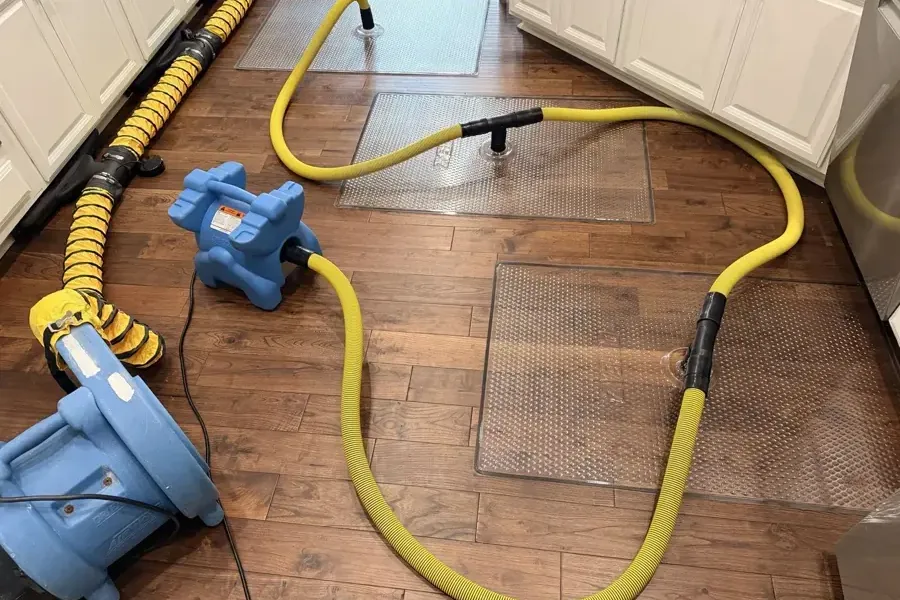
What to do first about boiler and radiator leak cleanup
- 1
Cool and isolate
Shut off the system if reachable and let the water cool.
- 2
Extract the water
Wet vacuums and extractors clear floors and low spots.
- 3
Check below
Meters scan the ceiling and walls beneath the leak.
- 4
Dry and treat
Equipment dries the structure and stains are documented.
How boiler and radiator leak cleanup is handled, step by step
Each step follows the IICRC S500 drying standard, and the right-hand column is the record that step leaves in the claim file.
- 01LocateThe leaking valve, joint or tank is documented.Moisture map with the category and class
- 02ExtractWater leaves floors and boiler room slabs.Timestamped photos before anything is removed
- 03DryEquipment runs on floors, walls and ceilings below.Daily psychrometric and moisture log
- 04VerifyReadings confirm each surface has dried.Final readings against a dry reference
What does boiler and radiator leak cleanup cost in Lynn, MA?
One radiator caught early costs $1,200 to $2,500, a leak reaching the floor and ceiling below costs $2,500 to $5,000, and a flooded boiler room runs $5,000 to $7,000+. Plaster and staining raise the final figure.
One radiator, caught early
$1,200 to $2,500
- Single floor area
- Short extraction
- Brief drying run
Floor and ceiling below
$2,500 to $5,000
- Flooring lifted
- Ceiling below opened
- Longer drying run
Boiler room flooded
$5,000 to $7,000+
- Slab extraction
- Insulation removed
- Extended drying
These are typical ranges, never a quote. The category of water, the square footage, the material class and how fast drying started move the number most. The water damage cost calculator gives a closer planning range.
Heating systems hold a lot of water under pressure, and a failed valve, joint or boiler tank can release it into a room. Because the water is hot and often discolored, it stains finishes and can scald, so the area is approached carefully.
Older buildings and heating leaks
A Census summary says about 58% of the city's housing units were built before 1940, and older buildings tend to have long runs of heating pipes, valves and radiators. A leak at one joint can wet a floor, a ceiling below and the wall between.
- Shut off the boiler and the water feed if you can reach them safely
- Let hot water cool before touching pipes or standing in it
- Photograph the leak, the stains and the boiler gauge
- Call a crew to extract and check ceilings below
Plaster, floors and rust stains
Heating leak water often carries rust, which stains plaster, paint and bare wood. Crews extract the water, lift wet floor coverings, check plaster and drywall below with meters, and dry the structure before staining sets deeper.
Hot water from a heating leak keeps soaking floors and ceilings below. Reach a crew any hour to plan extraction and drying.
Book heating leak cleanupBoiler room floods
A flooded boiler room needs extraction, removal of wet insulation and drying of the slab and walls around the equipment. The boiler itself is for a heating technician. See also water extraction and structural drying.
Hot water, careful hands
Water from a heating leak can still be hot long after it spills, so stay out of it until it cools and keep children and pets back while a crew works.
Boiler and radiator leak cleanup across Lynn and nearby
Heating leaks come from older houses, apartment buildings and converted loft spaces around Austin Square, Barry Park, Goldfish Pond and The Highlands, in ZIP codes 01901, 01902, 01904 and 01905.
The same service nearby: boiler and radiator leak cleanup in Beverly, Salem, Peabody.
Related water damage services
Boiler and Radiator Leak Cleanup questions, answered
What owners ask most about boiler and radiator leak cleanup, from drying time to the claim file.
Ask the drying team by phoneWhy is my radiator leaking?
Common causes are a worn valve packing, a corroded joint or a bleed valve left loose. Steam systems can also spit water at the vent, and any of these can wet a floor over time.
Is heating system water hazardous?
It can be hot enough to burn and often carries rust, additives and sediment. Treat it as dirty water, keep skin contact to a minimum and let a crew handle extraction.
Who fixes the boiler after a leak?
A heating technician repairs or replaces the failed part. The restoration crew handles the water, and the two visits can be sequenced so the boiler room dries properly.
Will rust stains come out of plaster?
Light staining sometimes can be sealed and repainted after the wall dries. Deep stains or plaster that softened usually need patching, and the crew documents both for the adjuster.
Does insurance cover a boiler leak?
Sudden leaks that damage floors and ceilings are often covered, while repair of the boiler itself usually is not. Gradual seepage may be excluded, so dated photos and readings matter.
Can ceilings below a radiator leak be saved?
If caught early, a ceiling can sometimes be dried through small openings. Soaked plaster or drywall that sags or stains heavily is cut out so the cavity can dry.
Boiler or radiator leaking? Start the cleanup
Say which room the leak is in and whether water reached the ceiling below, and the crew will plan the extraction and drying.