Boiler and Radiator Leak Cleanup in Peabody, MA
Heating systems circulate hot water through the whole house, so a failing boiler, valve or radiator can wet floors, ceilings and walls far from the source. Cleanup removes the water and dries every surface it reached.
(888) 629-3140Call about a heating system leak- Boiler room water removed
- Radiator leaks dried
- Floors below checked
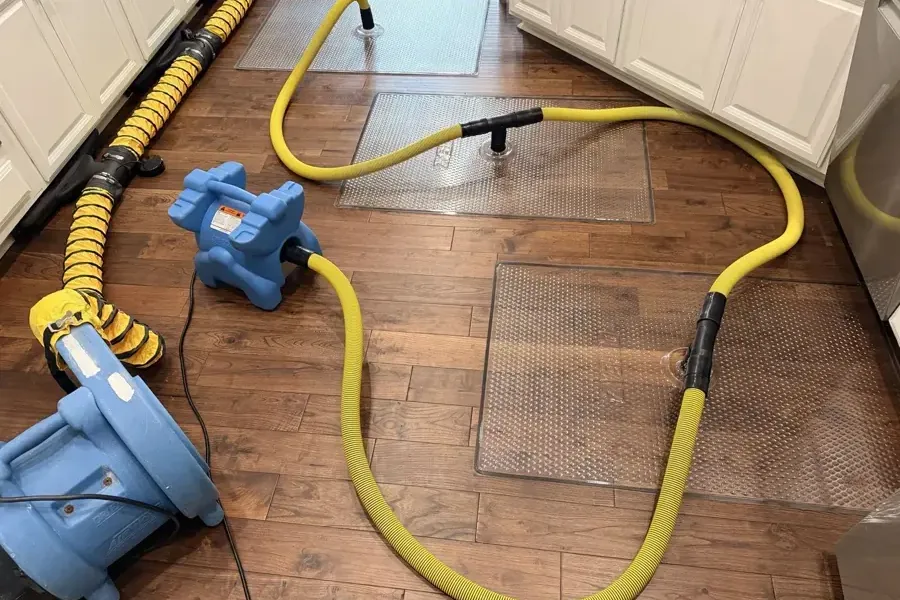
What to do first about boiler and radiator leak cleanup
- 1
Shut down the system
The boiler is turned off and left to cool.
- 2
Remove the water
Floors and boiler room are extracted.
- 3
Check below the leak
Meters follow water into ceilings and subfloors.
- 4
Dry and verify
Equipment runs until readings are normal.
How boiler and radiator leak cleanup is handled, step by step
Each step follows the IICRC S500 drying standard, and the right-hand column is the record that step leaves in the claim file.
- 01IsolateThe leaking section is shut off from the system.Moisture map with the category and class
- 02ExtractFloor water is pumped and extracted.Timestamped photos before anything is removed
- 03MapMeters trace moisture into floors and ceilings.Daily psychrometric and moisture log
- 04DryAir movers and dehumidifiers finish the area.Final readings against a dry reference
What does boiler and radiator leak cleanup cost in Peabody, MA?
Heating leak cost depends on how long the system kept leaking and what sits below it. A single radiator caught early is the lowest tier, while a flooded boiler room with wet floors and ceilings reaches the top.
One radiator, caught early
$1,200 to $2,500
- One room wet
- Small floor area
- Short drying run
Floor and ceiling below
$2,500 to $5,000
- Two levels affected
- Subfloor and ceiling wet
- Wall check
Boiler room flooded
$5,000 to $7,000+
- Equipment area wet
- Several rooms affected
- Extended drying
These are typical ranges, never a quote. The category of water, the square footage, the material class and how fast drying started move the number most. The water damage cost calculator gives a closer planning range.
A heating leak is easy to miss because the water often runs inside floors or behind walls before it appears. Pressure in the system keeps feeding the leak, and in a hot water system the escaping water can be hot enough to burn.
Where heating leaks come from
Natural gas service in the city is provided by National Grid, and the middle of the housing stock dates to about 1966, so older boilers and radiators are plausible in many houses. Worn valves, failing seals, cracked radiators and corroded fittings are the usual sources.
- Boiler or heating supply shut off before work begins
- Standing water extracted from the floor and carpet
- Wet floors, ceilings and walls below mapped
- Drying equipment placed until readings reach normal
What gets wet below the leak
Water from a radiator or pipe moves down into subfloors and the ceiling below, where it soaks insulation and stains paint. Hardwood boards cup, laminate swells and plaster loosens, so the rooms under a heating leak are checked with meters even when they look dry. The ceiling leak page covers what happens when water collects above a ceiling.
Heating water keeps escaping while the system runs, so it should be shut down and the floors dried early.
Call about a boiler leakBoiler rooms and shared heating
A flooded boiler room needs water removed before a technician can inspect the equipment, and the room is dried so controls and electrical parts are not left sitting in moisture. The water extraction page covers how that water is removed.
Hot water is a burn risk
Leaking heating water can scald, so the system should be shut down and left to cool before anyone mops, touches fittings or moves furniture near the leak.
Boiler and radiator leak cleanup across Peabody and nearby
Heating leak calls come from ZIP codes 01960 and 01961, including the 1800s homes of the Washington Street Historic District, downtown apartments, South Peabody, West Peabody and the Proctor neighborhood.
The same service nearby: boiler and radiator leak cleanup in Beverly, Danvers, Lynn.
Related water damage services
Boiler and Radiator Leak Cleanup questions, answered
What owners ask most about boiler and radiator leak cleanup, from drying time to the claim file.
Ask the drying team by phoneIs water from a heating system clean?
It is closed loop water that circulates through the boiler, so it starts clean but may carry rust or treatment chemicals. Heating water can also be hot, which makes it a burn risk.
Can a leaking radiator be fixed during the cleanup?
A heating technician fixes the radiator, valve or boiler. The restoration crew works around that repair, removing water and drying the floor, so repair and drying do not have to wait on each other.
How does steam heat leak differ from hot water?
Steam systems vent through valves that can spit water, and condensate can soak floors near radiators. Hot water systems leak from fittings under pressure. Both leave damp subfloors that meters must check.
What about hardwood floors under a radiator?
Wood absorbs leak water and cups or buckles, so extraction and drying should begin early. Floors that are caught in time can often be saved by drying through the boards rather than replacing them.
Is a boiler leak covered by insurance?
Coverage depends on the cause and the policy, and a sudden failure is treated differently from long term seepage. Photos, readings and a technician's report help the adjuster.
When should the boiler be turned back on?
Only after a heating technician confirms the system is safe and the water around it has been removed. Turning it on too early can spread the leak or damage wet controls.
Dry the floors and ceilings the leak reached
Water removal, meter mapping of the rooms below and drying equipment are lined up together, while the heating technician handles the boiler.