Nor'easter and Storm Flood Cleanup in Danvers, MA
Flash floods have closed Route 1 here more than once, and Danversport sits at sea level on a tidal river. When storm water gets into a house, cleanup means pumping, sanitizing and drying in the right order.
(888) 629-3140Get storm flood help- Wind driven rain
- Rising storm water
- Pump out and sanitize
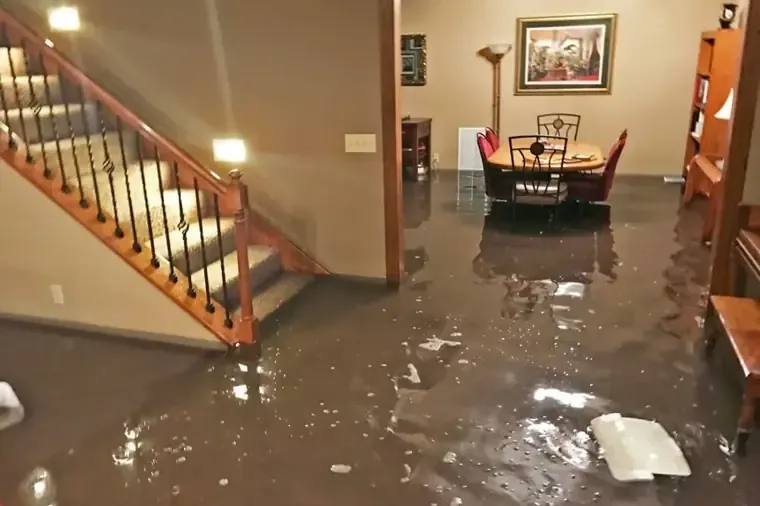
What to do first about nor'easter and storm flood cleanup
- 1
Make it safe
Power to the wet area is checked before anyone enters.
- 2
Pump the water out
Pumps clear depth, then extractors lift what remains.
- 3
Remove and sanitize
Porous goods go out and hard surfaces are washed.
- 4
Dry and document
Equipment runs while photos and readings are logged.
How nor'easter and storm flood cleanup is handled, step by step
Each step follows the IICRC S500 drying standard, and the right-hand column is the record that step leaves in the claim file.
- 01AssessWater source and depth set the plan.Moisture map with the category and class
- 02PumpStanding water leaves the house in stages.Timestamped photos before anything is removed
- 03SanitizeSurfaces touched by flood water are washed and treated.Daily psychrometric and moisture log
- 04DryReadings decide when drying is done.Final readings against a dry reference
What does nor'easter and storm flood cleanup cost in Danvers, MA?
Wind driven rain in one room usually runs $2,000 to $4,000. A basement or one full level falls between $4,000 and $12,000 depending on depth, and several levels of storm water can reach $20,000 or more.
Wind-driven rain, one room
$2,000 to $4,000
- One room affected
- Extraction and cleaning
- Spot drying
Basement or one level
$4,000 to $12,000
- Deep water pumped
- Porous goods discarded
- Sanitizing throughout
Several levels
$12,000 to $20,000+
- Multiple floors wet
- Heavy material removal
- Extended equipment run
These are typical ranges, never a quote. The category of water, the square footage, the material class and how fast drying started move the number most. The water damage cost calculator gives a closer planning range.
Storm water is not the same as a pipe leak. It carries soil, debris and bacteria from outdoors, so it is treated as contaminated and cleaned with more care before any drying starts. Porous items that soaked it up are usually discarded. That changes what can be saved.
Floods that have closed local roads
Flash flooding on October 4, 2011, left Route 1 impassable at East Coast Road in both directions and flooded Lane Parkway, High Street, Endicott Street, Cabot Road and Sherwood Road. On July 28, 2014, flash flooding closed portions of Route 1 again and stranded cars.
- Water is pumped out and the floor extracted in planned passes.
- Soaked carpet, padding and porous goods are removed and discarded.
- Hard surfaces are washed and sanitized before drying equipment starts.
- Moisture mapping covers walls, cabinets and subfloors.
Tidal rivers and heavy rain
The Porter, Crane and Waters rivers meet near the southeast corner of town to form the tidal Danvers River, and Danversport is at sea level. Hills elsewhere in town reach roughly 130 to 180 feet, so water settles in low spots and cellars while higher ground drains away.
Storm water in the house? Stay out of it, switch off power if safe, and call to describe the depth.
Share the storm damageAfter the water is out
Drying methods are on the structural drying page, and a flooded lower level is covered on the basement flooding page.
Keep out of the flood water
Flood water can hide sharp debris, electrical hazards and contamination. Stay clear until power to the area has been checked, and wear boots and gloves if moving anything. Photograph everything before it is moved.
Nor'easter and storm flood cleanup across Danvers and nearby
Storm water calls come from every village, including Danversport, Putnamville and Hathorne, across ZIP codes 01923 and 01937, with Route 1, Interstate 95 and Route 128 as the main corridors.
The same service nearby: nor'easter and storm flood cleanup in Beverly, Peabody, Salem.
Related water damage services
Nor'easter and Storm Flood Cleanup questions, answered
What owners ask most about nor'easter and storm flood cleanup, from drying time to the claim file.
Ask the drying team by phoneIs storm flood water safe to touch?
No. It can carry soil, bacteria and runoff chemicals, so skin contact and wet clothing should be avoided. Wear boots and gloves, and wash well afterward.
Does homeowners insurance cover flood water?
Standard homeowners policies often exclude water that rises from outside, while flood coverage is a separate policy. Wind driven rain through a damaged roof or window is treated differently, so the policy wording matters.
What can be saved after a storm flood?
Hard items such as tile, solid wood and metal can usually be cleaned. Carpet, padding, drywall and upholstery that soaked up flood water are normally discarded.
Why does flood water get stricter cleaning?
It arrives from yards, drains and streets, so it carries contamination that clean supply water does not. Surfaces are washed and treated before drying.
Can pumping start before the rain stops?
Sometimes, if the water is not rising faster than the pumps can lower it. Otherwise pumping waits until the surge passes, with safety checks done first.
Does a nor'easter cause different damage?
It often drives rain sideways through windows, doors and roof edges, so water enters at upper levels and runs down walls. The water extraction page covers the basic removal.
Get the flood out and the house drying
Share what the water touched and how deep it got, and the plan is built from that.